
When Democracies Begin Searching for Messiahs
History teaches us a painful lesson. Democracies are not defeated only by dictators. They are weakened whenever citizens begin believing that one extraordinary individual can carry the hopes of millions. Every movement that forgets this lesson risks losing its soul. In this essay, K. A. Shaji examines the dangers of personality cults through historical examples and contemporary Indian politics, arguing that democracy survives not through political saviours but through the courage and agency of ordinary citizens.
Every generation searches for a saviour. Sometimes it is born out of despair. Sometimes it emerges from exhaustion with institutions that have failed people for too long.
At such moments, societies begin looking for individuals rather than ideas, for faces rather than principles, for heroes rather than collective action. Television cameras, social media algorithms and political strategists understand this longing better than anyone else.
Within weeks, sometimes within days, an individual is elevated above the movement itself. The cause slowly recedes into the background while the personality occupies the centre of the stage.
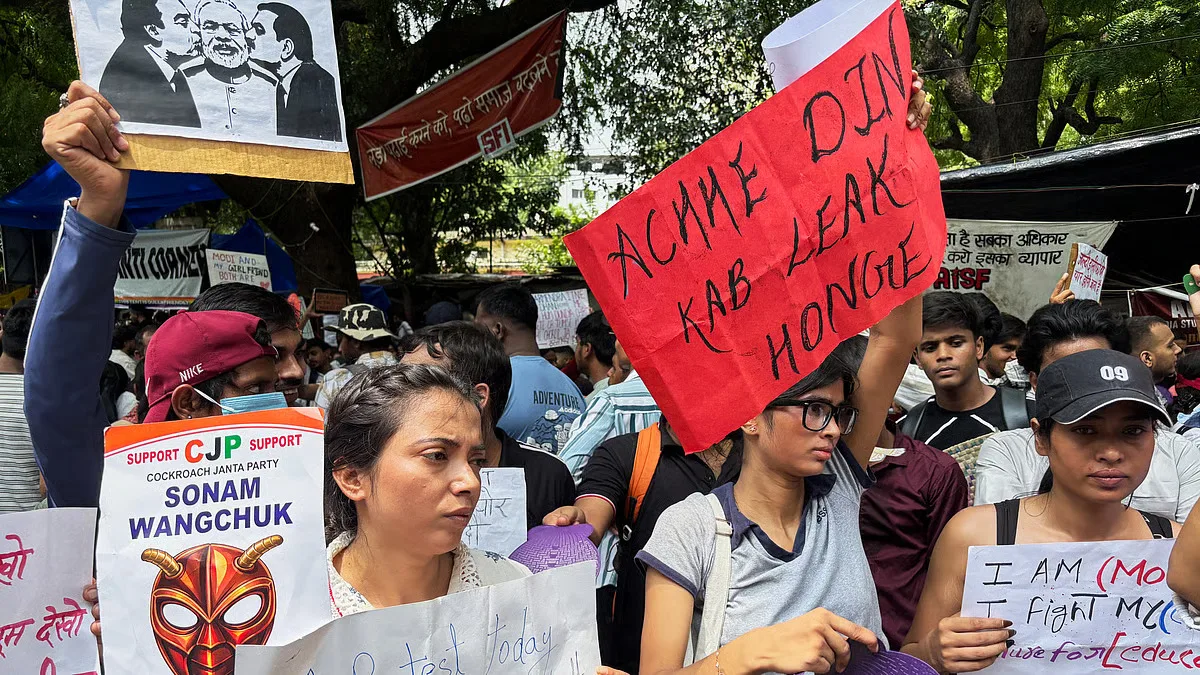
That is precisely why I refused to be swept away by the extraordinary public enthusiasm surrounding Sonam Wangchuk.
Many friends wondered why I remained silent while social media celebrated him almost as the conscience of the nation.
Some even questioned why Rahul Gandhi had not immediately shared the stage with him. I chose not to respond then because I wanted events to unfold before drawing conclusions.
My silence was not born of indifference. It came from a lesson history has repeatedly taught me. Democratic movements should never surrender themselves to manufactured messiahs.
This is not a personal attack on Sonam Wangchuk. It is my political reading of a phenomenon that has appeared again and again across continents and across generations.
Whenever the moral weight of a people’s movement begins resting upon one celebrated individual, democracy itself becomes vulnerable. The issue slowly becomes secondary.
The movement begins to depend upon one person’s choices, one person’s words and one person’s political calculations. Thousands of participants who created the movement gradually become spectators to their own struggle.
The oldest political illusion
History is full of movements that began with ordinary people and ended with extraordinary personalities.
The French Revolution promised liberty before Napoleon emerged as its towering figure. The Russian Revolution was born in the language of equality before Stalin converted revolutionary authority into personal power.
Across Africa, Asia and Latin America, liberation struggles that sought freedom from colonialism frequently produced leaders whose personalities gradually overshadowed the democratic institutions they inherited.
The slogans remained democratic. The methods slowly became authoritarian. The tragedy is rarely visible in the beginning. Every personality cult begins with admiration. It ends with unquestioning obedience.
The hero first claims to represent the people. Eventually, the people are expected to exist only through the hero. That is how democracies slowly lose their capacity for self-correction.
India’s recurring mistake
Independent India has repeatedly fallen into the same trap. Our political culture, irrespective of ideology, has often rewarded personalities more than institutions. The Emergency demonstrated how dangerous it becomes when one leader begins to tower over constitutional morality.
But the temptation did not disappear with the Emergency. It merely acquired different faces, different slogans and different political colours.
Today, personality cults flourish across the ideological spectrum. The Left has experienced them. Regional parties have institutionalised them. The Right has perfected them with unprecedented organisational sophistication.
Hero worship has become a substitute for democratic engagement. Loyalty increasingly matters more than questioning. Emotion often triumphs over accountability. Democracy rarely collapses overnight. It erodes one unquestioned leader at a time.
The lesson I learnt from Anna Hazare
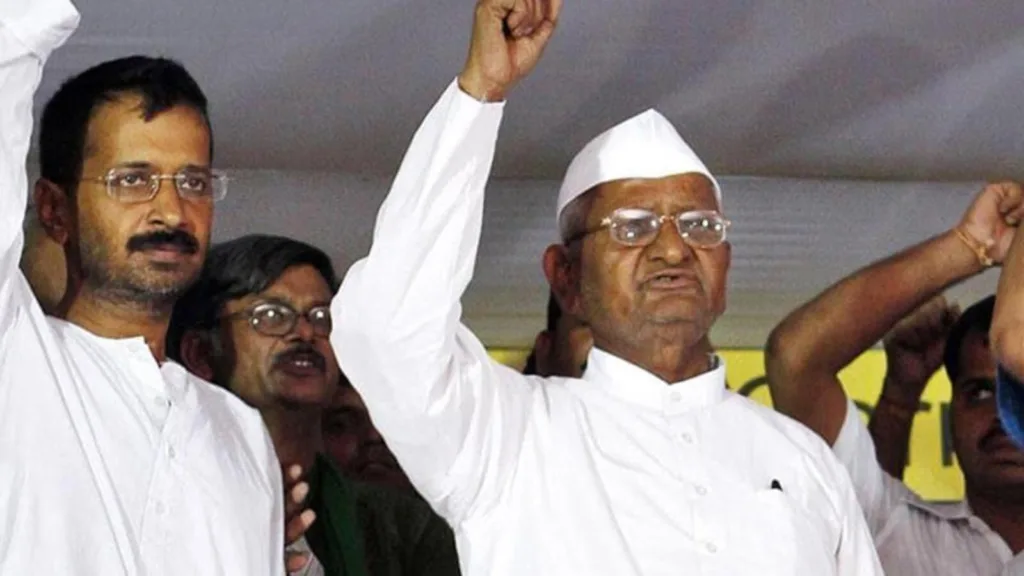
Perhaps the defining political lesson of my lifetime came from the Anna Hazare movement. Millions of Indians genuinely believed they were participating in a moral revolution.
Young people filled the streets convinced that corruption would finally become politically unacceptable. Hope travelled faster than reason. A nation invested extraordinary faith in one movement and, to a considerable extent, in one moral figure. History, however, chose a different path.
The movement fragmented. New ambitions emerged. Political calculations replaced moral certainty. Its consequences reshaped Indian politics in ways that very few participants had imagined.
People may hold different opinions about Arvind Kejriwal and the Aam Aadmi Party, but one lesson remains difficult to ignore. When a democratic movement becomes inseparable from a handful of personalities, its original purpose often becomes hostage to decisions taken by those personalities.
That experience permanently changed the way I look at public mobilisations. Since then, I have instinctively distrusted every attempt to manufacture another national messiah.
The students were always the movement
This is why I never accepted the attempt to make Sonam Wangchuk the unquestionable face of the students’ agitation.
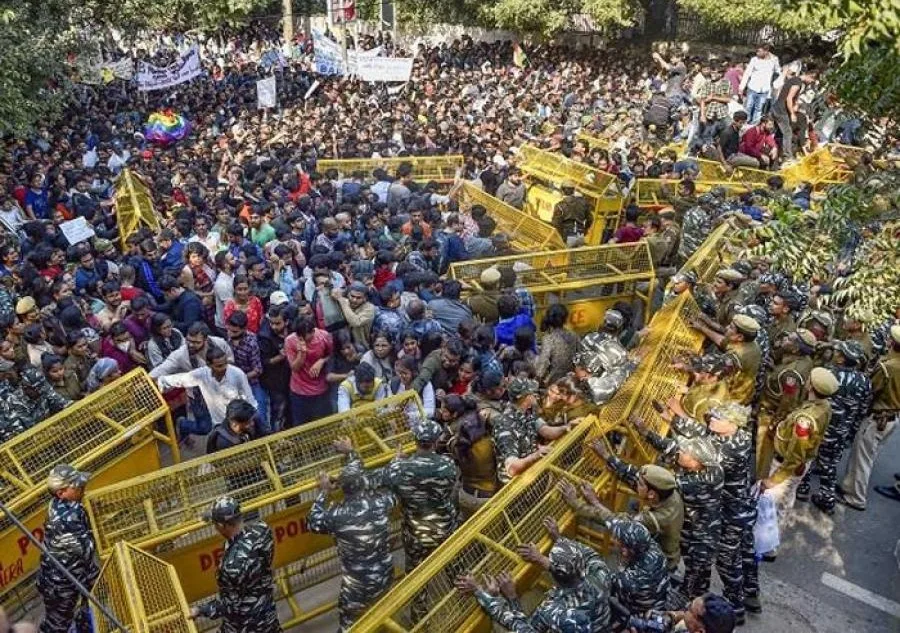
The movement was never about him. It belonged to thousands of young women and men who travelled to Delhi carrying nothing but hope. They faced police brutality, detention, humiliation and intimidation.
They were dragged across roads, beaten with lathis and abused simply because they believed they were fighting for the future of students across India. Many travelled hundreds of kilometres. Many defied worried parents. Many knowingly jeopardised their education and careers.
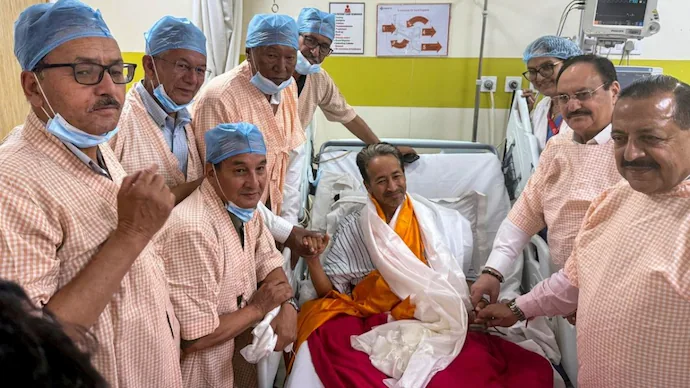
These students were not supporting actors. They were the movement itself. That is why the decision to conclude a hunger strike inevitably raises uncomfortable questions.
Every individual possesses the unquestionable right to decide when to end a fast. But every participant possesses an equally legitimate right to ask what exactly changed for those who continue the struggle.
What assurance has been secured? Which core demands have been addressed? What tangible victory allows us to describe this moment as success?
Until those questions receive convincing answers, celebration appears painfully premature. My greatest concern is not the conclusion of one fast.
It is the possibility that thousands of students who believed they were engaged in a collective struggle may now feel abandoned by a political narrative that has moved elsewhere.
Leadership is not ownership
Some readers will naturally ask another question. “If you reject manufactured messiahs, why do you appreciate Rahul Gandhi’s intervention?” It is a fair question. The answer lies in the difference between leadership and ownership.
I do not see Rahul Gandhi as the proprietor of this movement. Nor do I believe he attempted to become its unquestioned face. When he stood beside the protesting students, he did not ask them to disappear behind his political identity.
He did not project himself as their supreme leader. He did something that democratic politics desperately needs but rarely witnesses today. He amplified their voice instead of replacing it with his own.
He carried their concerns into Parliament. He transformed what many dismissed as a limited protest into a national democratic question. Most importantly, he ensured that the spotlight returned to the students rather than remaining fixed upon one celebrated activist.
That is the distinction I consider fundamental. Solidarity strengthens democratic movements. Ownership weakens them. The greatest democratic leaders understood this instinctively.
Mahatma Gandhi repeatedly reminded India that freedom would be won by millions of ordinary people, not by one extraordinary individual. Nelson Mandela consistently described himself as one among countless South Africans who had sacrificed for liberation. Martin Luther King Jr. never claimed ownership of the American civil rights movement. They resisted becoming larger than the causes they represented.
Manufactured messiahs behave differently. They become the story itself.
Every camera follows them. Every decision revolves around them. Every disagreement is interpreted as betrayal. The movement gradually stops producing active citizens and begins producing devoted followers.
That is not democracy. It is merely another form of dependency.
My faith remains unchanged
Perhaps my reading is wrong. History has often surprised those who believed they understood it. Time alone will judge these events. But one conviction has only deepened with every passing year. I have stopped believing in political saviours.
No democracy can be rescued by extraordinary individuals alone. Democracies endure because ordinary citizens refuse to surrender their judgement, their agency and their movements to anyone, however inspiring that person may appear.
My faith has never belonged to celebrated faces standing beneath bright lights and television cameras.
It belongs to the anonymous student nursing bruises after a police assault. It belongs to the young woman who continues protesting after the media has moved on. It belongs to the thousands whose names history will never remember but whose courage quietly keeps democracy alive.
Messiahs arrive. Messiahs depart. The republic survives only because ordinary people refuse to leave the stage after the heroes have taken their final bow.
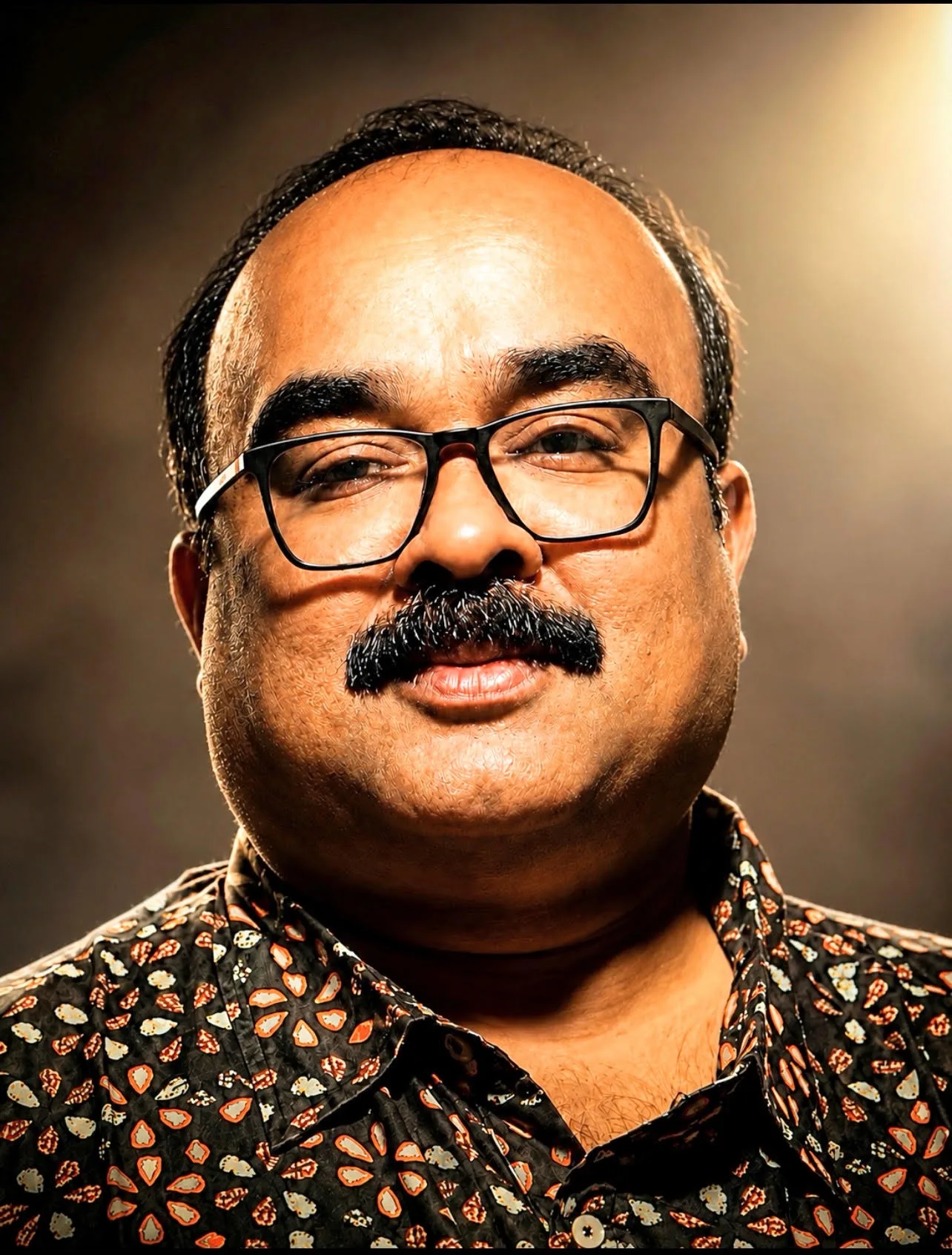
K. A. Shaji is an environmental journalist, author and documentary filmmaker with over two decades of experience. His work focuses on climate change, biodiversity, indigenous communities, environmental justice and public policy, with a special emphasis on South India. He is also the director of the documentary Stolen Shorelines.