
Seeds and Herbs: Hearing Through the Ears of the Forest – Part 1
Panthi begins a special series of excerpts from Seeds and Herbs – Walking in the Land: Its People, a book born from a decade-long journey of artists, poets, theatre practitioners and cultural activists walking alongside the Forest Fringe Farmers’ collective and Indigenous communities in Kerala’s Western Ghats.
The series brings together reflections, poems, conversations, memories, and documentation emerging from shared journeys through forests, paddy fields, hamlets and sacred landscapes. It explores relationships between art and life, ecology and community, healing and memory, through the voices of Indigenous knowledge keepers, artists, and land-based communities.
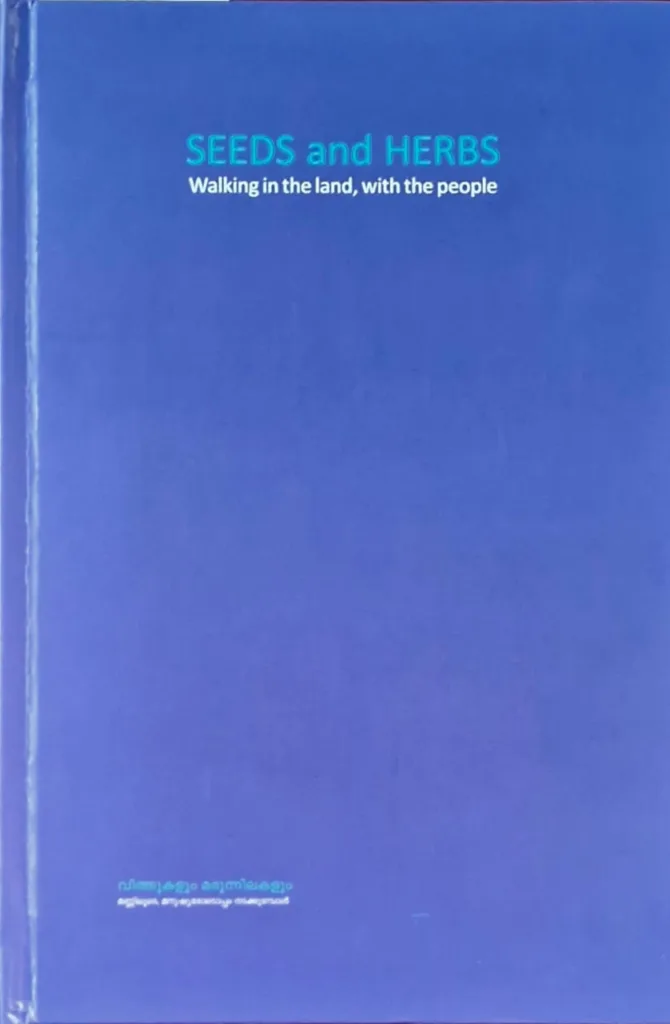
Where do the boundaries of art and life begin and end? The book, Seeds and Herbs – Walking in the land, with the people, is a glimpse into the decade-long co-travelling, sharing, and moulting by a small team comprising visual artists, poets, theatre artists and cultural activists.
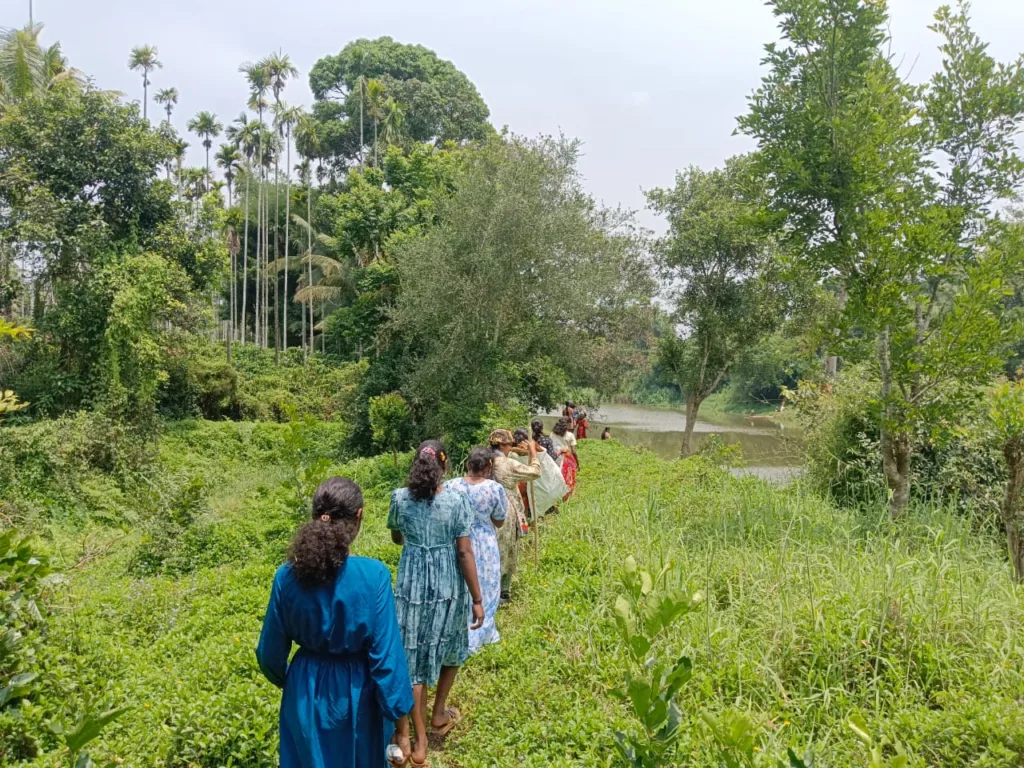
In this long journey, they walked with the Forest Fringe Farmer’s collective of the Western Ghat region of Kerala, FTAK, and with members of the indigenous communities of Wayanad. They together walked within a defined space: In the paddy fields, on the field bunds, in the forests and forest fringes, often in silence, at times entering into short conversations. Nature and human beings were not divided into separate shores in the dwelling places of the farmers and the tribal communities
The book also holds recollections and documentation from two art exhibitions: “Let Me Come to Your Wounds, Heal Myself” (2020) and “Ottamuri Veedu – Where Wounds and Herbs Heal Each Other” (2025) took shape from these journeys.
The footprints of this journey are marked in this book, published with the support of the India Foundation for the Arts (IFA) under the Arts Practice programme, made possible with support from Parijat Foundation.
1
We hear through the ears of the forest. We see with its eyes…
all the seeds originated in the forests all the flowers, insects, birds, fruits and berries.
the spring source of all the rivers, rains.
like a bird’s nest it envelops, the body and the worlds we behold.
the songs begin there, dreams, thudi, gods, languages.
forests we are, inside out.
“When we walk into the forest, we should release our senses. We should let the ears and eyes go the distance. Our senses should spread through the whole forest. As we walk, we will know where the animals are. It is not just about our direct sight but also about our close observation. We hear through the ears of the forest and we see with its eyes. We walk in the forest without making much noise. We should not quarrel in the forest. No one does. Quarrelling reduces us to our narrowness. Forest has a different rhythm. Forest knows the sound of each and everyone, every foot-step. People from outside hold their ears and eyes to themselves. They hear only themselves. See only themselves. They make lots of disturbance and noise”
-Sukumaran Chaligadda, Ravula tribe poet
2
“How Could we speak about the forest to those who do not know of it”
“If we move away from the forest, even to a small distance our mind will be disturbed
We know everything about our forest. About all the different kinds of trees, bamboo, seeds, birds, animals, their behaviour, and its beauty. Everyone would go together to the forest, the elderly and children alike. And we do everything together. We learn about everything directly, not from what other people say.”
-S Chaligadda
3
Materials and the forest
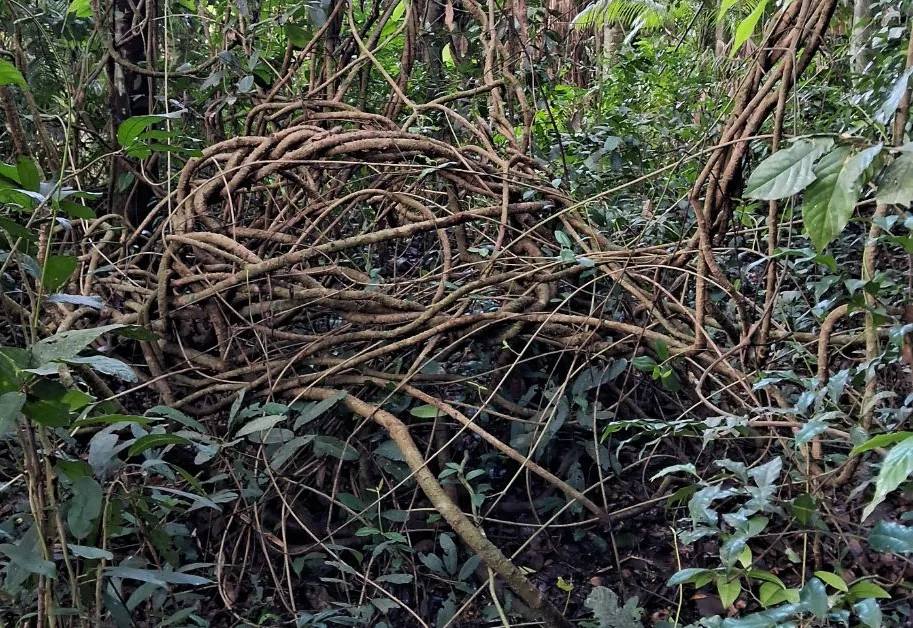
In the art workshops and in conversations with the members of the tribal communities, we tried to explore the intimate relationship with the earth and life forms. The forest came alive with objects and materials such as mushrooms, algae, and giant trees. It also included small, tiny forms of life, creepers running from tree to tree, rocks, roots, rocks entwined with roots. Deformed stumps, plants growing from the stumps. Different kinds of leaves, eaten by worms or dried and disintegrating, mushrooms sprouting from fallen trunks, bird droppings on the rocks… All these forms are either reminders of living forms, decaying just before becoming soil again to sprout new life; or often they are the invincible entities that nurture other life forms.
What is holding the tribal, so dearly as if in a primordial or archetypal connection, to such forms and materials? Why do these forms and materials capture their attention, often even more than the lush green or flowers? Why do they consider these the core of a thriving forest? What is the nature of such identification?
As objects and materials, these remain not just outside the realms of our cultural taste; we consider them as waste, fit to discard.
Looking at these forms and materials Ramya (Paniya tribal artist) said; “these are life, fragile, constantly dying, disintegrating and becoming the soil, to sprout again, our veins remain not broken.” What is she affirming? Fragility, formidable strength, and at the same time, the magnificent act of staying alive?
In the forest all are our friends. There is no one around us, except as friends. We fear most those who enter the forest, not knowing what they are entering into. We (among Ravula tribe) call them dhanduva. dhandu means thief. They do not know the forest, do not respect or honour it. So they come to steal.
-S Chaligadda
4
Where do I heal the wounds?
where do I heal the wounds? in the deep heart of the forest, a marsh or a stream rocks, really old trees i go and stand there, silent.
forest reflects me as in a mirror. leaves, trees, snake, birds my own shapes from previous births breath of all who left before me.
in that light and shadows my thoughts slowly shed themselves. dreams shed, fears, thirsts, sorrows shed off me.
the wounds, within and without… look, slowly they join, heal.
i return to the hamlet…
Forest is a hospital, a place of healing, we get healed in the forest. Once we enter a forest, we forget the world outside. There is no minister there. We forget even the local politician or the ward member. When we walk in the forest, we will know ourselves. When we walk into the forest, we walk into ourselves. Birds are the flowers of the forest.
We do not find any place or thing unclean in the forest. We hardly come across any foul smell in the forest. When an animal dies, other animals and other creatures come and eat its flesh immediately. Nothing that the soil can’t hold will be left to decay and stink. A forest keeps itself clean. So also the house of tribals in the forest.
What we find in the forest, its sky, stars, wind, shades of the trees, sounds, all these are found only there. One cannot find them anywhere else.
-S Chaligadda
5
Sacred places
There are several sacred places in the forest. Certain hills and valleys, certain places in the river, some terrains, certain rocks and tree formations… It is formidable to enter these spaces. If one does, it is done with reverence. The most sacred space of the Paniya community is kavu, the sacred grove. Trees, the stones on the ground, the myriad life forms in there, were all considered Gods. They would not be disturbed, would be revered. There was no pooja, nor lighting of the lamps. The community assembled there, once or twice a year; there was the ritual dance and the propitiation of the Gods.
Today most of these sacred groves have turned into temples. Today the Paniyas do not have their kavu. Their Gods have all been transformed to Hindu gods and goddesses. Their kavu has been appropriated, their lands too. The survival of the Paniya community is in jeopardy.
6
Water is our veins
Elders used to say not to drink water from the Kabani, drawing it from the river in your hands. They would tell us instead to lie down on the ground and drink directly with our mouth. When we take the water in the hand to drink, our body is not joining the water. But when we lie down to drink, we join it.
Water is one thing that is most pure and sacred. It heals and cleanses.
-S Chaligadda
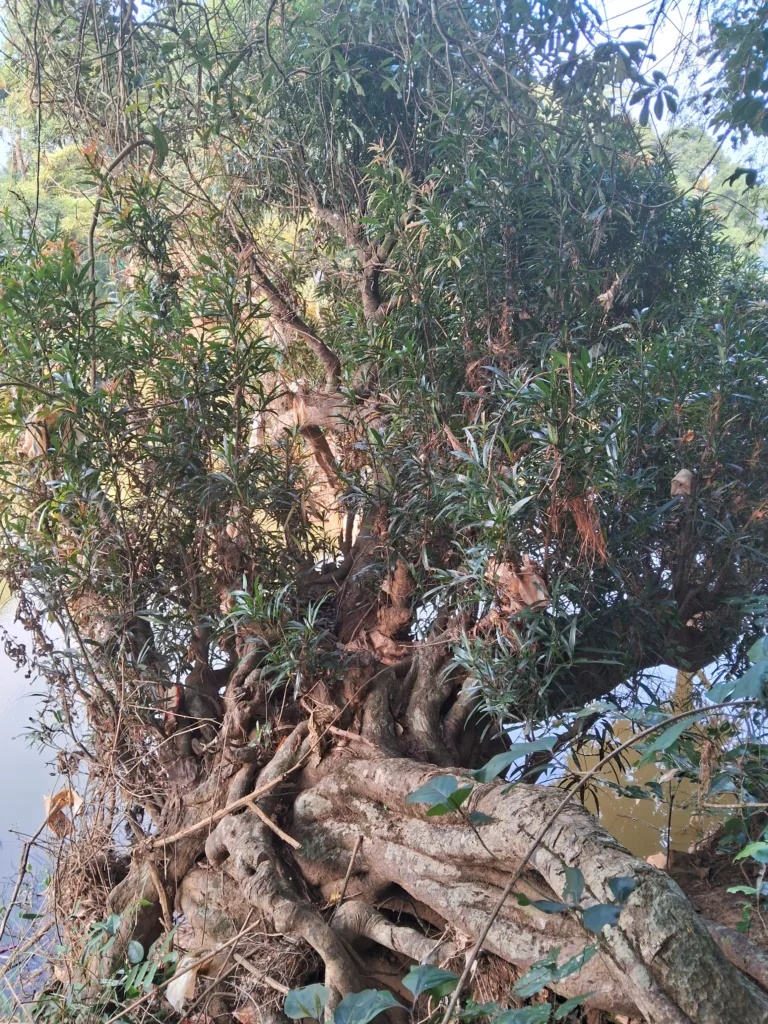
Traditionally tribals would say not to go to the source of the river. The sources of the rivers are sacred. There would be injunctions to stay away from some water bodies too. These were injunctions against denigration or defilement.
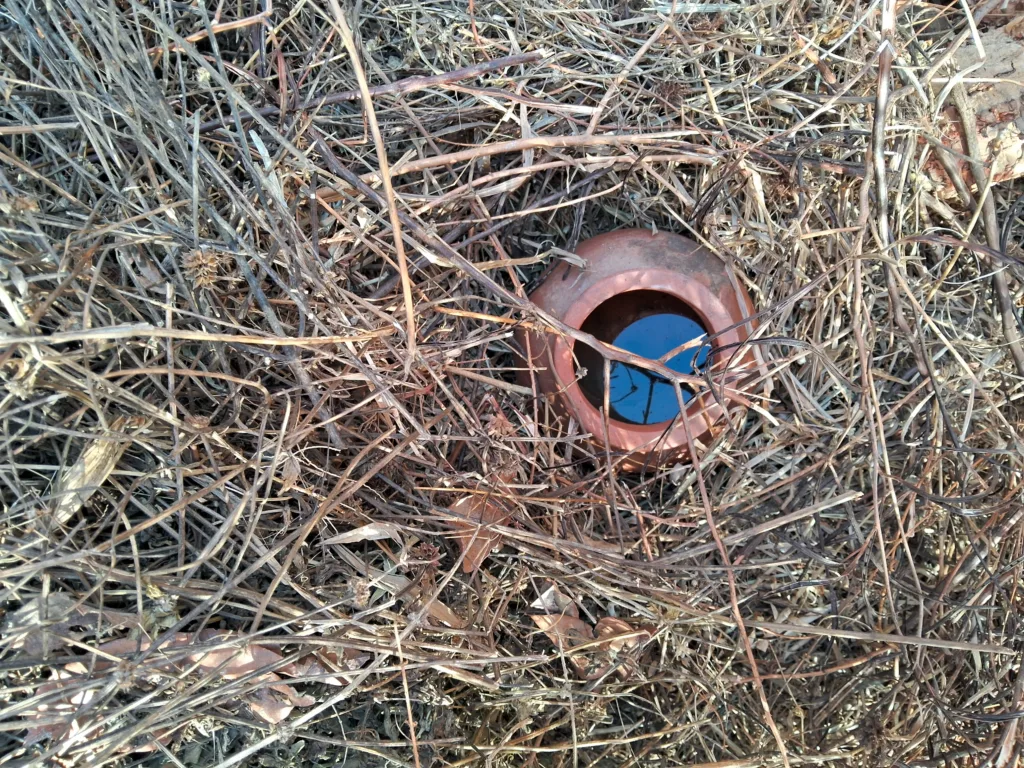
Water is not anything abstract for the tribes. It forms their consciousness. Keni is a manikinar-a tiny well. From the gushing river, water finds its way to the humble thirsty lips through the Keni. At locations in the forest where natural springs are sighted, tribals insert a hollowed out tree trunk, about two feet n diameter and three feet deep, just enough to dip their vessels. The keni is a acred spot too, it remains clean and anpolluted despite constant use.
The creepers, crabs, turtles, fishes, frogs, pied wagtail, water hen, cranes, monkeys and elephants, are all pointers to an ecosystem of water. But water in a ctiy is alienated from its ecosystem, just as its inhabitants are.
The ‘developed’ communities, depend on thousand feet deep tube wells, large dams, canals cutting through many hundreds of kilometres, tunnels and pipes to draw water into their homes. Water is tamed, pulled away from its ecosystem. It’s similar to what we consume today being sourced from across continents. There is no trace of its ecosystem, the soil and the toil that produced it. We are consumers of consciousness drained com-modities.
O’ Spring,
will you not come to our Keni?
O’Keni,
will you not provide us with water? We drilled into the earth, inserted pipes. we disposed of our waste. you are not giving us water.
In the wells,
Keni,
You are not giving us water.
(to be continued)
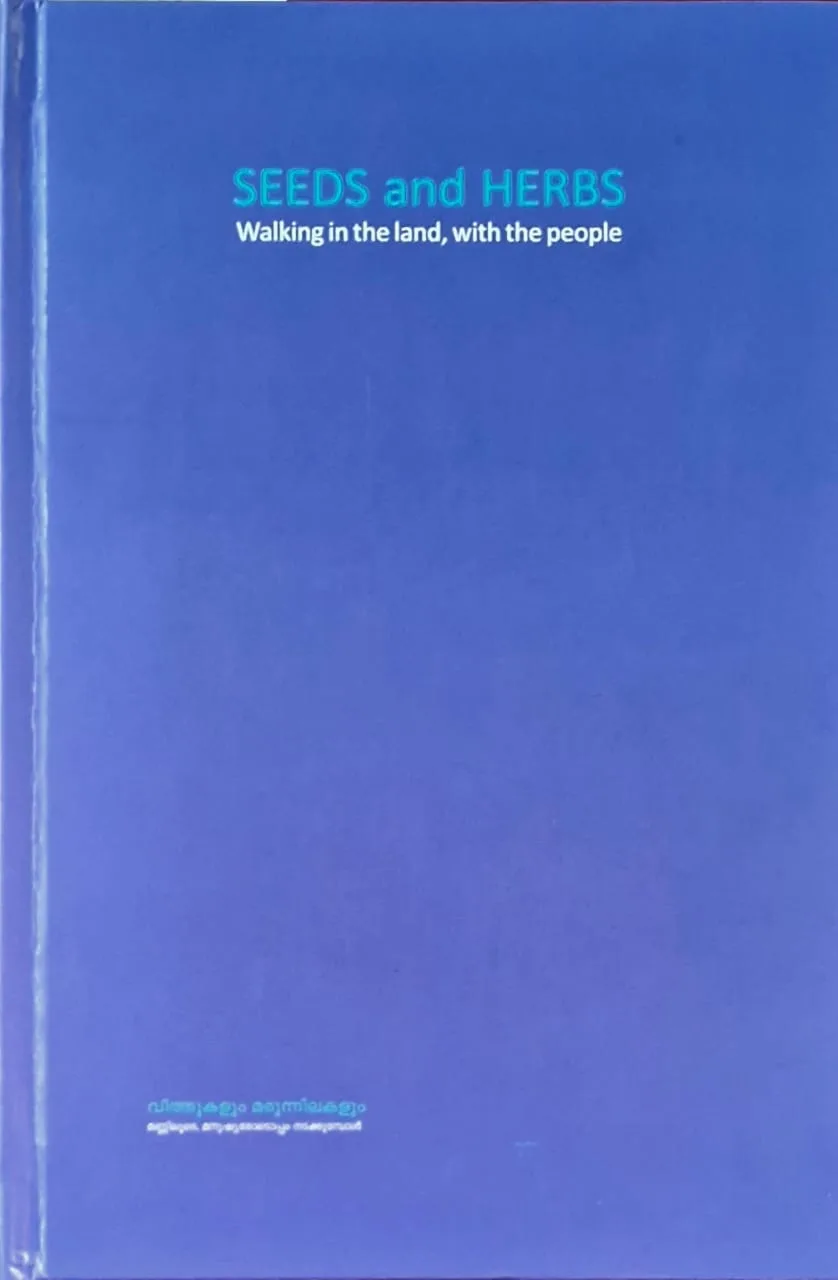
The book, Seeds and Herbs – Walking in the Land, with the People, is a glimpse into the decade-long co-travelling, sharing, and moulting by a small team comprising visual artists, poets, theatre artists and cultural activists.