
Beyond the Victory Margin: Why Kerala Turned to V. D. Satheesan
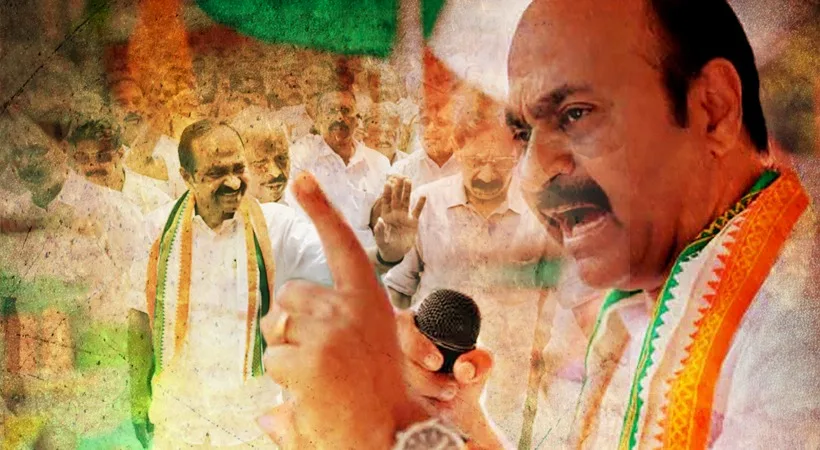
The selection of V. D. Satheesan as Kerala’s Chief Minister after the UDF’s sweeping electoral victory became more than an internal Congress decision. It revealed a changing political mood in Kerala, one shaped by demands for democratic transparency, secular leadership, youth participation, and a new political language beyond traditional factionalism. This article examines why Satheesan emerged as the preferred public choice and what this moment signifies for Kerala’s evolving political culture.
A Mandate Larger Than an Election
It took nearly ten days after the election results for the Congress party to announce the Chief Minister of Kerala. The delay came despite the United Democratic Front securing a spectacular victory, winning 102 seats out of 140 in the Assembly. The prolonged indecision exposed not merely a leadership tussle within the Congress, but also a deeper transformation unfolding in Kerala’s political culture.
After several rounds of negotiations, public pressure, internal disagreements, and intense media scrutiny, the Congress high command finally chose V. D. Satheesan as Chief Minister. By then, Kerala had already witnessed an extraordinary public spectacle: posters, flex boards, online campaigns, and open lobbying for multiple contenders. Supporters of leaders such as Ramesh Chennithala and K. C. Venugopal actively projected their preferred candidates. Yet the loudest and most organic mobilisation emerged in favour of Satheesan – a leader who, interestingly, does not belong to any dominant faction within the Congress.
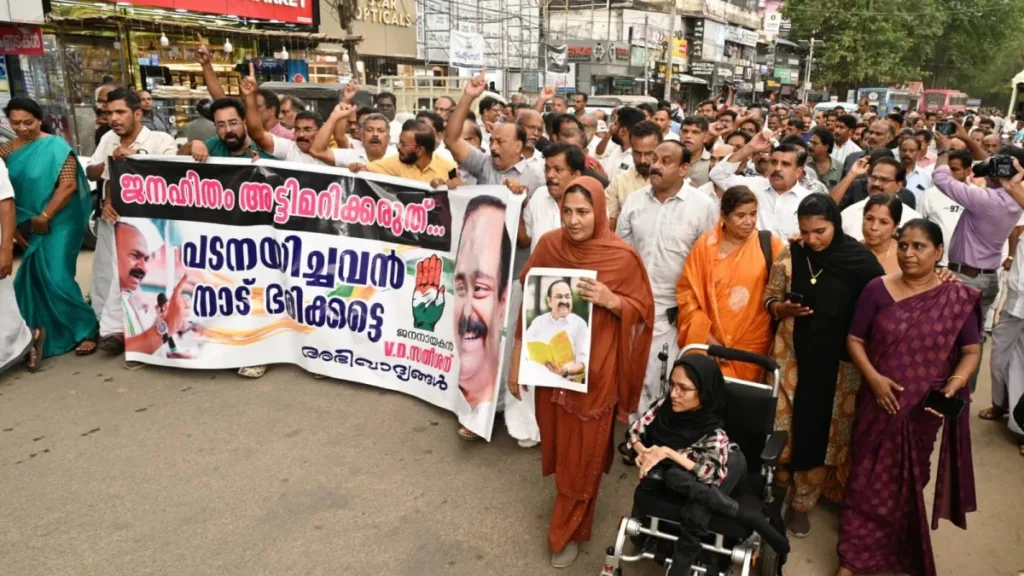
The Congress leadership eventually realised that this was not a routine internal appointment that could be settled through conventional calculations. The public mood had become too visible to ignore. Reports even suggested that informal assessments and shadow surveys were conducted to understand the popular pulse in Kerala. Whether true or not, the message was unmistakable: people wanted to participate in the political conversation beyond merely casting their votes.
The entire episode offered important lessons not only for the Congress party, but for every democratic institution in India. Kerala’s Chief Ministerial selection became a mirror reflecting changing political expectations, generational shifts, and a growing impatience with opaque power structures.
The Rise of a Public Mood
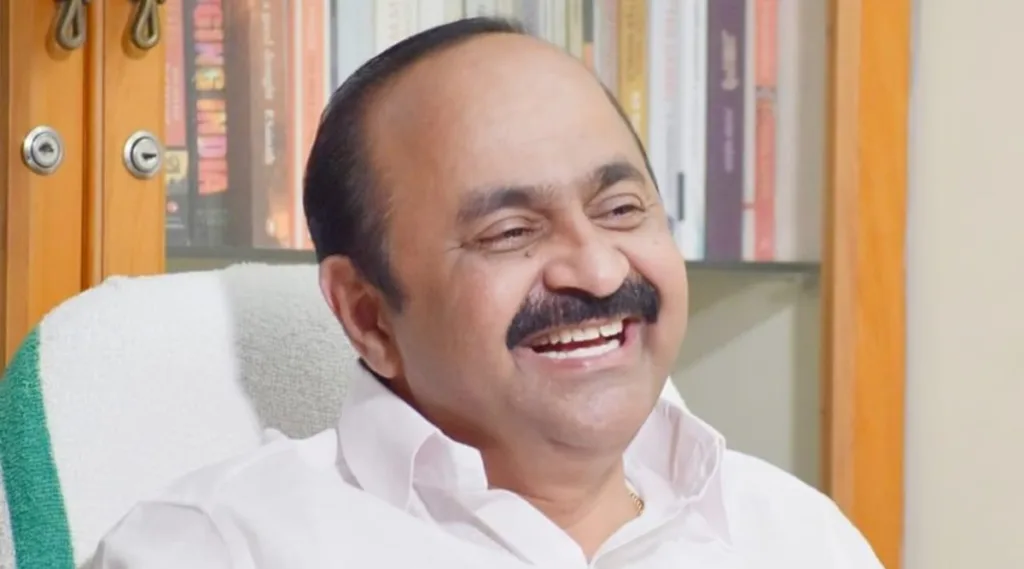
One of the most striking developments during this period was the unprecedented public curiosity surrounding the selection of the Chief Minister. Many people who usually remain detached from day-to-day politics suddenly became deeply invested in the discussion. Ordinary conversations in tea shops, buses, workplaces, and social gatherings revolved around who should lead Kerala.
Women who traditionally stayed away from overt political debates publicly expressed their preferences. Young people, often stereotyped as politically indifferent, passionately discussed leadership, governance, and the future of the state on social media platforms. The demand for V. D. Satheesan was not confined to party workers or organised cadres; it emerged from a broader emotional and political sentiment.
This does not diminish the stature or administrative experience of leaders like Ramesh Chennithala or K. C. Venugopal. Both possess long political careers and substantial organisational credentials. Yet politics is not shaped by experience alone. Timing, public imagination, symbolic value, and the ability to communicate aspirations matter equally. Kerala appeared to be searching for a different political language, and Satheesan seemed to embody that transition.
The remarkable aspect of his rise was that it did not originate from a traditional Congress faction. In many ways, the support for Satheesan represented fatigue with factional politics itself. A section of the public viewed him as someone relatively independent of entrenched internal camps and therefore more capable of offering a fresh political direction.
Why Satheesan Connected With the Public
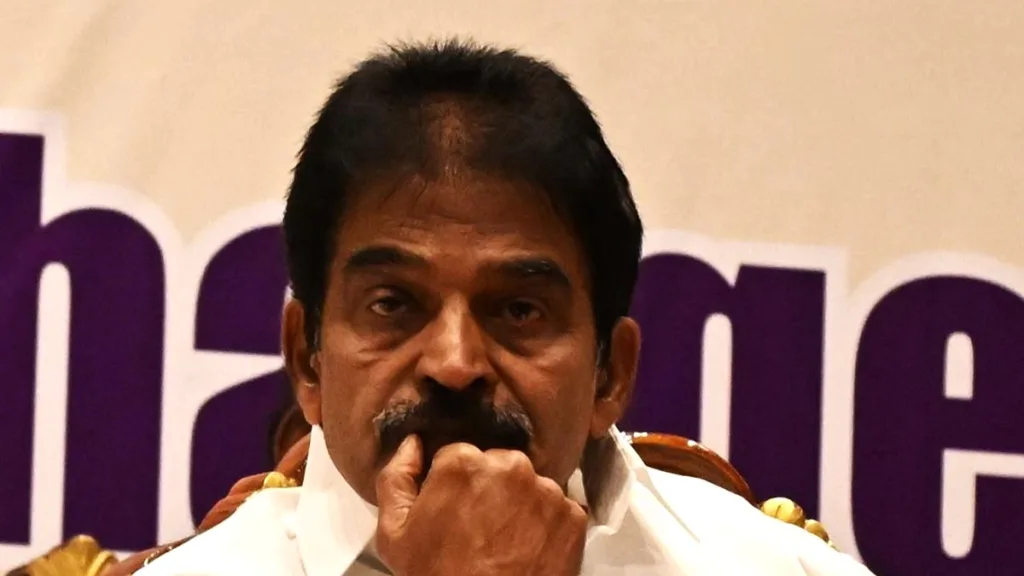
The overwhelming support for V. D. Satheesan did not emerge accidentally. It was built over years through a combination of political positioning, communication style, and public perception.
A Consistent Secular Position
One of the most significant reasons behind his popularity was his unwavering secular stand. At a time when identity politics and communal polarisation increasingly influence Indian public life, Satheesan projected himself as a leader unwilling to surrender to divisive rhetoric.
Importantly, he maintained a careful balance. He neither aggressively aligned himself with caste- and religion-based organisations nor completely dismissed them. Instead, he recognised them as social realities that must be engaged with democratically, without allowing them to dictate political morality. This distinction earned him credibility among many voters who were anxious about the growing communalisation of politics.
Development Beyond Empty Slogans
Satheesan also distinguished himself by speaking about Kerala’s ecological fragility and financial vulnerability. In a political culture where “development” is often reduced to infrastructure announcements and spectacle, he repeatedly highlighted climate change, environmental sustainability, and fiscal responsibility.
This mattered especially to younger voters. Kerala has experienced devastating floods, landslides, coastal erosion, and increasing climate anxiety over the last decade. People wanted a leader who could speak about development without ignoring ecological consequences. Satheesan’s vocabulary of governance appeared more contemporary and globally informed compared to conventional political rhetoric.
A Different Political Tone
Another factor behind his popularity was his style of political engagement. Even when he faced aggressive criticism from the ruling Communist Party of India (Marxist) and leaders such as Vellappally Natesan, he generally refrained from descending into abusive language or personal attacks.
Kerala’s political discourse has increasingly become confrontational and theatrical. In such a climate, Satheesan’s comparatively restrained tone stood out. Many voters, particularly educated urban youth, perceived him as firm yet civil and someone capable of disagreement without vulgarity.
This perception was further strengthened by a widespread belief that he had not received the recognition he deserved during the previous Congress-led government under Oommen Chandy. Despite being regarded as an effective legislator and opposition voice, he was often seen as underutilised. That sense of delayed recognition added emotional energy to his support base.
The Youth Factor and the Language of Modern Politics
Perhaps the most important aspect of Satheesan’s popularity was his ability to connect with younger generations without appearing artificial.
Unlike many politicians who attempt to attract youth through performative social media campaigns, Satheesan’s appeal emerged from substance. Many young voters felt he was discussing real issues rather than engaging in endless partisan theatrics. His speeches often reflected clarity, preparation, and thematic focus instead of repetitive ideological slogans.
He also demonstrated organisational effectiveness. The UDF’s strong performances in by-elections, local body elections, and parliamentary contests during his tenure as Opposition Leader strengthened the perception that he possessed strategic political skills alongside public appeal.
Modern political communication is no longer only about party structures or ideological loyalty. It increasingly depends on emotional intelligence, symbolic messaging, credibility, and responsiveness. Satheesan appeared more adaptable to this changing political landscape than many of his contemporaries.
The Rahul Gandhi Connection
Another crucial dimension behind Satheesan’s rise was his perceived alignment with the broader ideological direction represented by Rahul Gandhi at the national level.
In recent years, Rahul Gandhi has increasingly emphasised issues concerning Dalits, Adivasis, OBCs, constitutional rights, economic inequality, and social justice. While critics may debate the effectiveness of this approach, it undeniably reshaped the Congress party’s public vocabulary.
Satheesan was viewed as one of the few senior Kerala Congress leaders willing to internalise this ideological shift. His engagement with marginalised communities and his attempts to broaden representation reportedly attracted attention among Dalit and tribal activists in Kerala.
There were also discussions that he wanted stronger representation for historically marginalised communities during candidate selection, though such efforts allegedly faced resistance from sections of the party influenced by traditional caste equations. Whether entirely successful or not, the perception itself contributed to his image as a leader attempting to modernise the Congress socially as well as politically.
Lessons for Congress and Indian Political Parties
The Kerala episode also exposed structural weaknesses within Indian political parties, especially the tension between centralised authority and democratic participation.
The phrase “high command” dominated political discussions throughout the leadership crisis. Ironically, the very term sounds deeply undemocratic. It suggests a concentration of authority detached from ordinary party workers and public sentiment.
Political parties cannot demand democratic accountability from governments while functioning internally through opaque systems. Leadership decisions, especially in a parliamentary democracy, inevitably carry public consequences. Therefore, transparency in decision-making is not merely an organisational concern; it is a democratic necessity.
In this case, the Congress high command appeared unprepared despite knowing well in advance that multiple leaders would stake claim to the Chief Ministership. Confusion intensified further when individuals holding organisational or parliamentary responsibilities were also allowed to emerge as potential contenders. The absence of a transparent mechanism created uncertainty, frustration, and public embarrassment.
More importantly, the Congress underestimated the emotional investment of ordinary supporters. Political parties often assume that public participation ends on polling day. Kerala demonstrated otherwise.
When People Refuse to Remain Silent
One of the most revealing aspects of this political moment was the reaction to public protests supporting Satheesan. Sections of the Congress leadership reportedly viewed these mobilisations as indiscipline or factional pressure tactics.
But such an interpretation misses the deeper democratic significance of what occurred.
Why should citizens not express their opinion regarding who becomes Chief Minister? If peaceful demonstrations, public campaigns, and civic expressions remain non-violent and constitutional, they should not be dismissed as anti-party activity. Democracy does not end with voting; it continues through participation, criticism, and public engagement.
In fact, the protests represented something larger than support for an individual leader. They reflected frustration with rigid political structures that appear disconnected from changing social aspirations. The voices on the streets were not merely demanding Satheesan; they were demanding responsiveness, transparency, and renewal.
The Congress party cannot effectively fight an emerging fascist regime if its own followers and the wider public are expected to remain excessively disciplined, silent, and incapable of questioning authority. Resistance against injustice cannot be confined within the rigid boundaries defined by party leadership alone. Democratic struggles are meaningful only when people are encouraged to express dissent, raise uncomfortable questions, and participate actively in political processes. The Congress leadership must therefore recognise these public expressions not as “anti-party activities,” but as part of a larger democratic aspiration for freedom, accountability, and justice. Only through such a democratic culture can a genuine resistance against Hindutva politics and authoritarian tendencies truly emerge.
This carries an important warning for all political organisations. A party that suppresses internal questioning and public participation may eventually become incapable of resisting authoritarianism outside itself. Democratic culture cannot survive only as an electoral ritual; it must exist within institutions and political behaviour.
Kerala’s Search for a New Political Imagination
The support for V. D. Satheesan ultimately symbolised a larger psychological shift within Kerala society.
After a decade of rule under Pinarayi Vijayan, many people appeared emotionally exhausted by confrontational political culture, excessive centralisation of authority, and repetitive ideological combat. They were searching for a different political temperament, one that combined administrative seriousness with accessibility and empathy.
The demand for Satheesan was therefore not simply about Congress factional equations. It reflected Kerala’s desire for a political language that feels less arrogant, less mechanical, and more humane.
Whether Satheesan ultimately succeeds to deliver the aspirations of the people as Chief Minister is a different question. Public expectations are often unforgiving, and governance is always more difficult than opposition politics. Yet his rise already signifies something important: Kerala’s electorate is evolving. Voters increasingly seek leaders who can communicate vision, demonstrate ethical restraint, acknowledge ecological realities, and engage with social diversity without surrendering to cynical identity politics.
The streets of Kerala, for a brief moment, reminded political parties that democracy belongs not only to leadership rooms and organisational hierarchies, but also to ordinary people who continue to imagine a better political future.
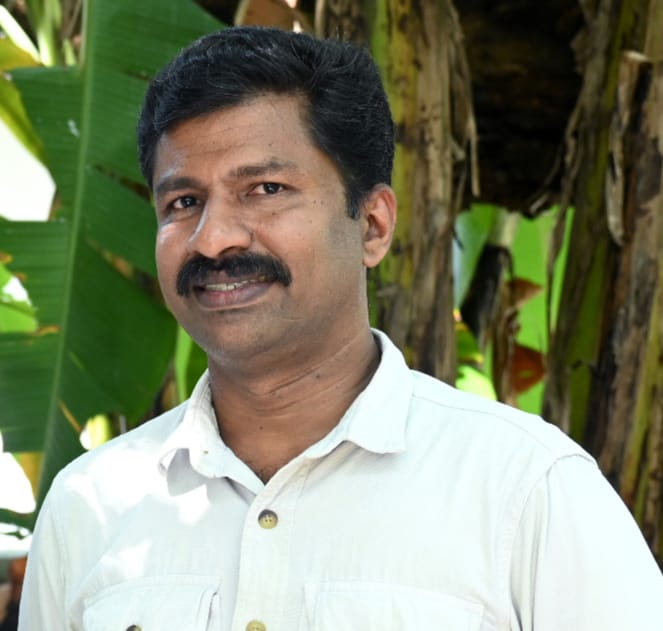
A.K Shiburaj began his journalism career in 2000 with the publication of Samvadam magazine from Kozhikode. He later worked as a teacher on the Maldives island and engaged in social work across North Indian states. He practiced organic farming for a time and served as the Assistant Editor of Keralayam Magazine (Web). He is now a freelance journalist and an advocate for civil society and social movements. He is a recipient of the Maja Koene Social Journalist Award in 2025.
- Congress High Command
- Congress Party Kerala
- Contemporary Kerala Politics
- Democratic Politics
- Fascism and Democracy
- Hindutva politics
- Indian democracy
- Kerala Assembly Election
- Kerala Chief Minister
- Kerala Political Analysis
- Kerala Politics
- Pinarayi Vijayan
- Political Leadership
- Political Transparency
- Public Protest Kerala
- Rahul Gandhi
- Secular Politics
- UDF Victory
- Youth and Politics