
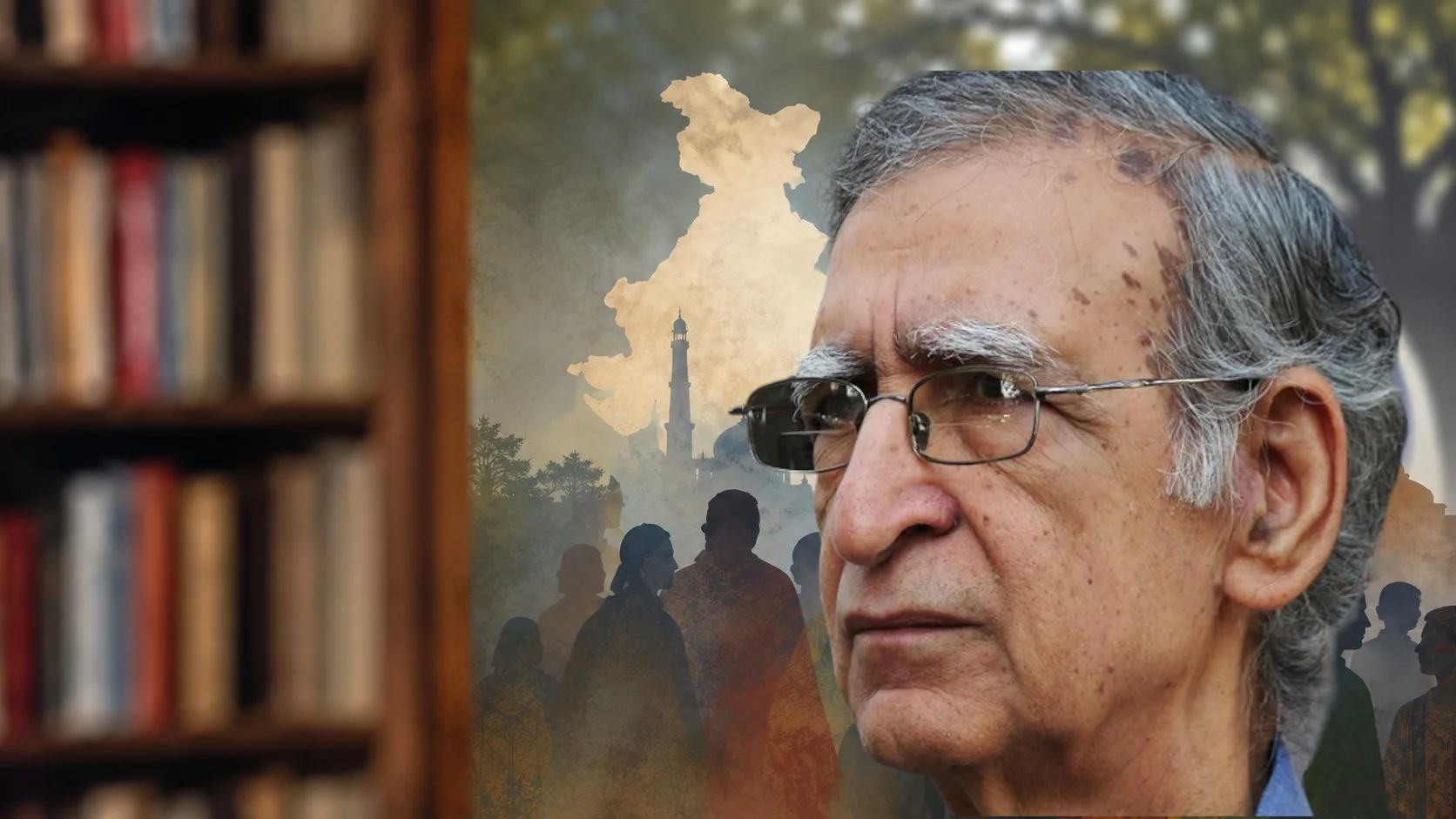
“United Communal Forces, Fragmented Secular Forces” : Ram Puniyani on the Crisis of Secularism
India’s political landscape has changed dramatically over the past decade, with Hindutva increasingly shaping not only electoral politics but also social and cultural life. In this interview, veteran secular activist and writer Ram Puniyani reflects on the changing nature of communalism, the relationship between Hindutva and caste, the economic interests underlying majoritarian politics, and the challenges facing India’s secular and progressive forces. He also discusses what he has learnt from grassroots communities and why, despite the growing dominance of Hindutva, he still sees reasons for hope in India’s younger generation.
A K Shiburaj: You have spent several decades working to promote secularism and communal harmony. Looking back, how has the nature of communalism in India changed?
Ram Puniyani: The nature of communalism has been worsening during the last two decades and more, particularly since the BJP Government came to power about 12 years ago. The intensity of hate against Muslims and Christians has deepened, atrocities against Dalits, Adivasis and women have increased sharply, and autocracy has strengthened its grip. Fear among religious minorities has been rising sharply. The diversity of India is shrinking, and communal forces and their foot soldiers are becoming more assertive at all levels.
Hindutva today appears to have moved beyond being an electoral ideology and has acquired a wider social and cultural hegemony. How do you understand this transformation?
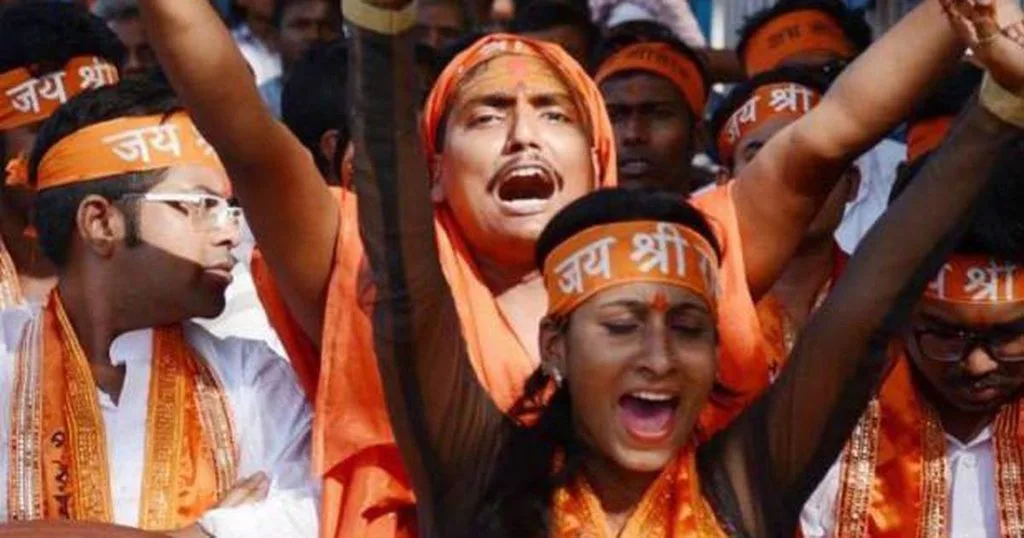
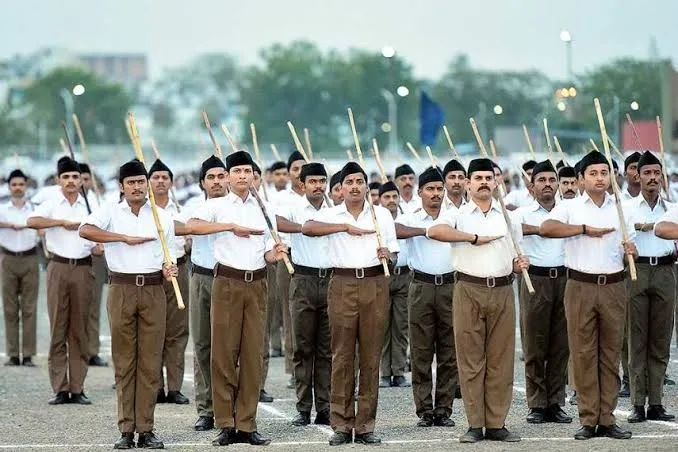
The very ideology of Hindu nationalism, Hindutva, is not just about political power. It aims to transform Indian society in the image of Manusmriti, dominated by Brahminical values. In that light, it is out to infiltrate the whole socio-political structure with those indoctrinated in the Hindu Rashtra ideology. The RSS calls itself a cultural organisation, while it is a suprapolitical organisation, out to influence all aspects of society. So, Hindu mythology, the Holy Cow, ‘Cow Science’, tampering with school textbooks to inculcate the new generation with an exclusionary Brahminical ideology — these are all part of what they are trying to do. The case of Bengal and other places is very illustrative of this. The widespread popularisation of Jai Shri Ram is one manifestation. Since Jai Shri Ram is their war cry, they want this to become part of the mainstream understanding. Imposing the full version of Vande Mataram, despite the already agreed-upon practice of singing only two stanzas, is yet another step in reshaping the culture in ways that nurture Brahminical values.
You have often explained communal violence as having deeper social, economic and political roots rather than being simply a conflict between two religious communities. What, in your view, are the material interests behind the contemporary expansion of Hindutva?
The economic and material interests are becoming very obvious by the day. Their policies are aimed at enriching the elite upper caste of society. The weakening of policies related to MGNREGA, the Right to Education, the Right to Food and the Right to Health are there right in the open. At the same time, they want to enrich crony capitalists, with the hope that these cronies will support them financially in their endeavours. This aspect of Hindu nationalism is becoming more obvious by the day, as the OXFAM report tells us that a large section of the poorer sections of society owns very little property, while the top 1% own over 50% of the property. The rising deprivation of poor sections of society is there for all to see, while the likes of Mehul Choksi, Nirav Modi and Vijay Mallya have escaped with large amounts of wealth from India, and the likes of Ambani and Subhash Chandra can get huge loans written off. The ruling party and RSS are busy building huge five-star offices all around, and even the Ram Mandir has not been spared from corruption and theft by those controlling the levers of power. Class-wise, the elite sections are making merry while the average and poorer sections are writhing in pain and deprivation.
Hindutva seeks to construct a broad Hindu identity that cuts across caste divisions, while the caste hierarchy remains deeply embedded in Indian society. Is Hindutva resolving this contradiction, managing it, or simply concealing it?
Yes, caste hierarchy remains deeply embedded while the lower castes are co-opted through social engineering. The Dalits are co-opted through Samajik Samrasta Manch, the Adivasis through Vanvasi Kalyan Ashram, women through Rashtra Sevika Samiti and workers through Bharatiya Mazdoor Sangh. These organisations associated with the RSS work day and night among deprived sections to keep them subordinated through diverse mechanisms, one of which is the creation of icons from their communities, like Suheldev among the Pasis. The example of this can be seen very well in Gujarat, the first laboratory of Hindu Rashtra. Here, Hindu nationalism is on full display. After the intense ghettoisation of Muslims, now every caste has its own colonies where ‘others’ are not permitted to stay. The RSS has a ground-level connection on a regular basis to ensure that varna-caste hierarchies are perpetuated, while the subordinate sections are co-opted through social engineering, very much on display in Dalit-Adivasi areas.
You have worked extensively with grassroots activists and have been particularly effective at explaining complex political and historical processes in accessible language. What have you learnt from ordinary people about secularism that intellectual and political debates often miss?
Through these interactions, I got a lot of opportunities to learn about their lives. Most of these lessons related to the deeply rooted values of diversity among large sections of society — Muslims, Christians and Hindus alike. The deep respect they have for ‘others’ is something truly remarkable. The presence of human values, bearing the imprint of India’s long history of social interaction, comes through very clearly in my interactions with them, from which I have learnt with great interest.
One striking feature of the present moment is that many people who may not consider themselves ideological Hindutva supporters nevertheless accept some of its assumptions about Muslims, minorities, history or nationalism. How does an ideology become normalised in this way? And how can that process of normalisation be challenged?
Bias against Muslims and the narrative of Hindu nationalism have been spread relentlessly, beginning with RSS shakhas, followed by issues like the Ram Temple, the Holy Cow, Love Jihad, the claim that Muslims are terrorists, that they are polygamous and that they produce more children. The last one is supposed to be a threat to the Hindu majority in the country. All this can be countered through a multi-layered approach involving work within communities. This work, apart from connecting with the community, should involve a correct portrayal of the issues through interactive sessions, showing them appropriate films such as those of Anand Patwardhan, and videos that deal with these issues. This has to be backed up by presenting the proper evolution of Indian nationalism and the roles of leaders like Gandhi, Ambedkar, Bhagat Singh and Subhas Bose, among others. The BJP’s being in power has worsened the problem. At the political level, the BJP has to be dethroned in the next elections, a tall order. Anyway.
The Hindutva project has also increasingly intersected with economic inequality, corporate power, privatisation and the marginalisation of workers, farmers, Dalits and Adivasis. Do you see communalism and economic power as interconnected parts of the same political project?
Yes, these economic deprivations are an outcome of communal politics, as explained above.
Secular and progressive forces often seem to be defensive, fragmented and reactive, while Hindutva forces have built a powerful organisational and cultural infrastructure over decades. What have secular forces failed to understand or do? What kind of political and social mobilisation is necessary today?
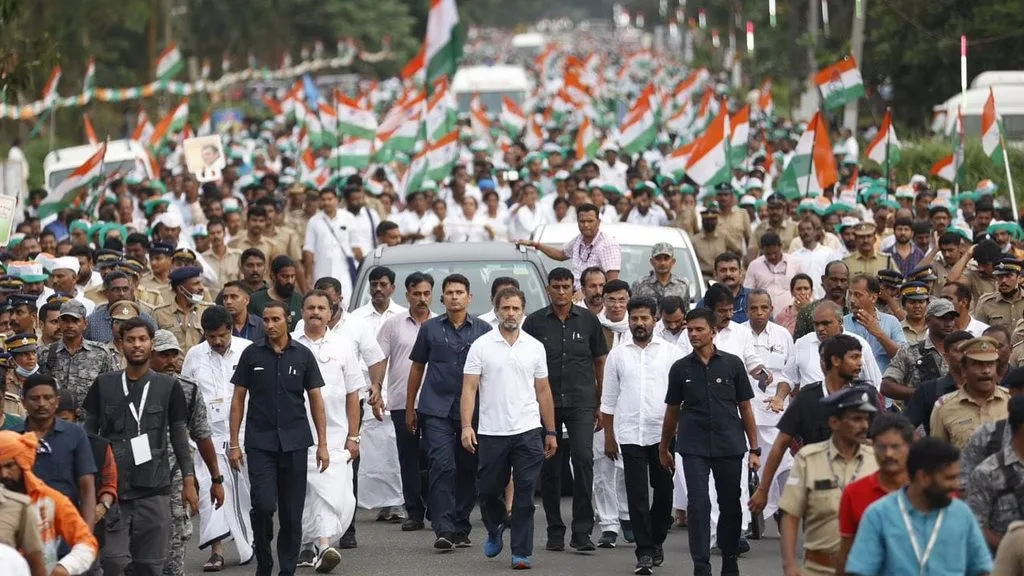
True, secular forces have failed to combat the might of communal forces, which are very united. There is an urgent need for secular forces to put their heads together and take on the powerful and well-organised RSS-BJP combine. Popular pressure needs to be built up on these parties through movements like Eddelu Karnataka and Bharat Jodo Abhiyan.
After a lifetime of working for communal harmony, do you remain hopeful about India’s secular and plural character? If you were speaking today to a new generation of young Indians who have grown up amid Hindutva’s increasing cultural dominance, what would you tell them about defending democracy, secularism and a shared Indian identity?
I had lost hope a few years ago. After the Bharat Jodo Yatra and the recent Gen Z movement, some hope has been restored. The values of Bhagat Singh, Gandhi, Ambedkar, Maulana Azad and Subhas Bose need to be highlighted to present desirable ideals to Gen Z and other sections of society.
Is Hindutva fundamentally a political ideology, a form of cultural nationalism, or a project for restructuring Indian society and the state? And if it is the latter, what kind of India is it ultimately seeking to create?
Hindutva wants to create an India based on the values of Manusmriti. It models itself on the path of Hitler and Mussolini. It rejects the path of democracy and the Indian Constitution.
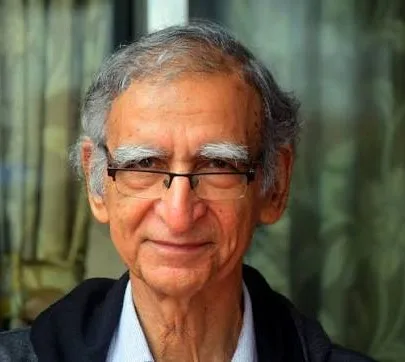
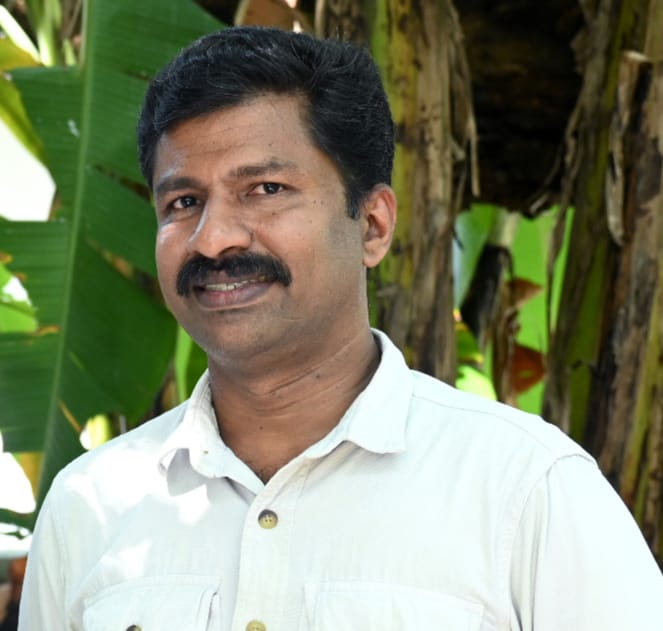
A.K Shiburaj began his journalism career in 2000 with the publication of Samvadam magazine from Kozhikode. He later worked as a teacher on the Maldives island and engaged in social work across North Indian states. He practiced organic farming for a time and served as the Assistant Editor of Keralayam Magazine (Web). He is now a freelance journalist and an advocate for civil society and social movements. He is a recipient of the Maja Koene Social Journalist Award in 2025.