
Mulagamutty Kudy: Tribal Deprivation, Land Insecurity and the Challenge of Participatory Development
Jos Chathukulam, T. V. Thilakan and C. V. Balamurali examine the socio-economic, livelihood and institutional conditions of Mulagamutty Kudy, a Muthuvan tribal settlement in Marayur, Idukki, following a field visit by the Centre for Rural Management (CRM), Kottayam. The report documents the interconnected challenges faced by the settlement, including insecure land tenure following displacement, inadequate housing and drinking water, poor road connectivity, livelihood vulnerability and limited access to welfare schemes. It also examines the underutilisation of Tribal Sub-Plan resources and the possibilities of strengthening participatory planning through Kerala’s decentralised governance system.
Field Visit Report on the Socio-Economic and Institutional Conditions of Mulagamutty Kudy, Marayur Gram Panchayat, Idukki District, Keralam.
1.Introduction
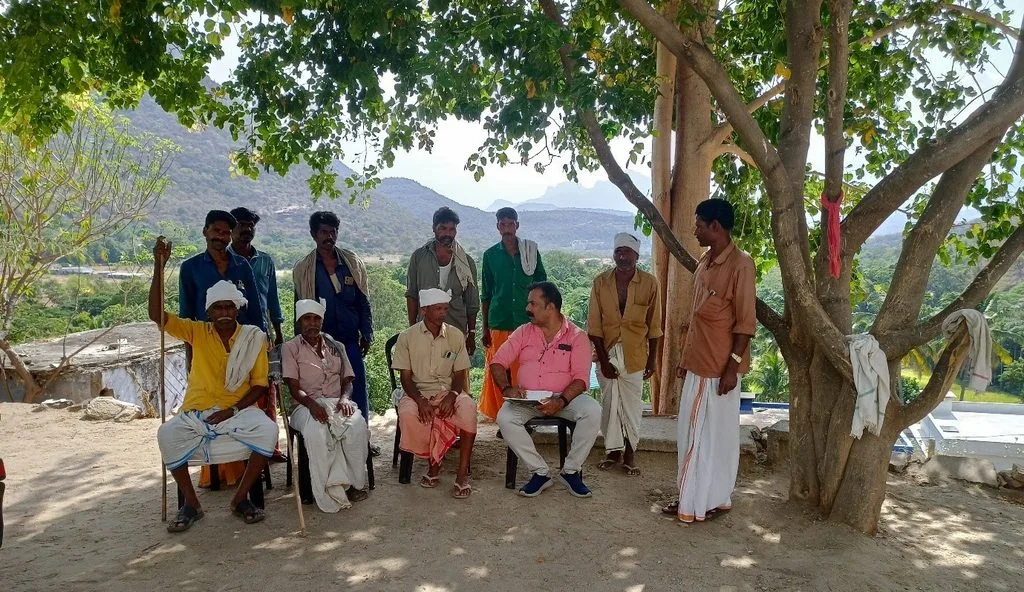
A field visit was undertaken on 12 September 2026 by a team from the Centre for Rural Management (CRM), Kottayam, Keralam to Mulagamutty Kudy, a tribal settlement located in Ward No. 2 of Marayur Gram Panchayat, Idukki District, Keralam. The visit was undertaken to understand the socio-economic conditions, livelihood patterns, access to basic services, institutional inclusion, and development-related challenges confronting the tribal community residing in the settlement. Mulagamutty Kudy is inhabited by members of the Muthuvan tribal community and is situated within the broader ecological and administrative context of the Chinnar Wildlife Sanctuary, close to the Kerala–Tamil Nadu border. The settlement is approximately 32 kilometres from the Marayur Gram Panchayat office and around 10 kilometres from the main road. Its geographical isolation, difficult terrain, inadequate road connectivity, and location within a protected-area landscape have significant implications for access to public services, livelihood opportunities, housing, infrastructure, and state-supported welfare programmes.
The field interaction indicates that the challenges faced by the residents are not merely manifestations of household-level poverty. They are closely associated with historical displacement, insecure land tenure, geographical isolation, inadequate infrastructure, livelihood vulnerability, institutional barriers, and limited conversion of available public resources into tangible development outcomes.
The situation of Mulagamutty Kudy is particularly important when examined in the context of Kerala’s People’s Planning Campaign (PPC) and decentralised planning system. The PPC was founded on the principle that local development priorities should emerge through people’s participation and should be translated into projects through the institutions of local self-government. Kerala’s decentralised planning framework envisages participation through Gram Sabha/Oorukoottam, working groups, development seminars and local government planning processes. Viewed from this perspective, the condition of Mulagamutty Kudy raises an important question: to what extent are the development priorities of remote tribal settlements being identified, incorporated and translated into effective interventions through the local planning process? The presence of two elected functionaries from the tribal community in the Panchayat provides an important institutional opportunity for ensuring that the concerns of tribal settlements are articulated within local governance. At the same time, the persistence of basic deficits—particularly in drinking water, housing, land documentation, road connectivity and livelihood development—suggests the need to examine whether political representation is being adequately translated into settlement-level development outcomes.
2. Location and Physical Accessibility
Mulagamutty Kudy is located approximately 10 kilometres from the main road and can be accessed through a metal road. The condition of this road is reported to be extremely poor. The problem becomes particularly acute during the monsoon, when transportation and mobility are significantly constrained. Poor road connectivity constitutes a critical structural barrier to the development of the settlement. Physical accessibility is closely associated with access to healthcare, education, markets, agricultural inputs, government offices, emergency services and welfare institutions. For a geographically isolated tribal settlement, inadequate connectivity can therefore reinforce multiple dimensions of deprivation simultaneously. The distance of approximately 32 kilometres from the Gram Panchayat office further compounds this problem. The geographical distance creates substantial transaction costs for residents who need to approach Panchayat offices or other government institutions for documentation, welfare applications, scheme access, grievance redressal and other administrative requirements. In such circumstances, the formal availability of government schemes does not necessarily translate into effective access. Geographical isolation itself becomes an institutional barrier.
3.Historical Displacement and Land Tenure Insecurity
One of the most significant issues identified during the field visit concerns the history of displacement and the continuing absence of secure land tenure. The residents of Mulagamutty Kudy originally belonged to Oli Kudy, located approximately six kilometres away. Around 14 years ago, a landslide rendered the original settlement unsafe for habitation, compelling the community to relocate to the present location. The relocation was therefore essentially a consequence of environmental vulnerability and disaster-induced displacement.
Following the displacement, the Government reportedly provided land at Mulagamutty Kudy for the resettlement of affected households. However, despite the passage of approximately 14 years, the residents have reportedly not received Pattayam / title deeds for the land on which they currently reside. This represents a serious form of tenure insecurity. Although the State appears to have recognised the settlement and provided land for rehabilitation, the absence of legally recognised ownership documents leaves the residents in a precarious institutional position. The distinction between physical possession and legally secured tenure becomes particularly important in this context. The residents reported that they no longer possess land at Oli Kudy. Consequently, the absence of title documentation at Mulagamutty Kudy effectively places the community in a situation where their present residential security is not adequately supported by formal legal recognition.
The issue should therefore not be viewed merely as an administrative delay in issuing documents. It is closely connected with rehabilitation justice, property rights, residential security, access to welfare, and social citizenship. The Kerala Scheduled Tribes Development Department itself identifies land rights, resettlement, housing and tribal development as important areas of intervention, including schemes relating to resettlement of landless tribal people and protection of tribal land rights.
4.Demographic Profile and Housing Conditions
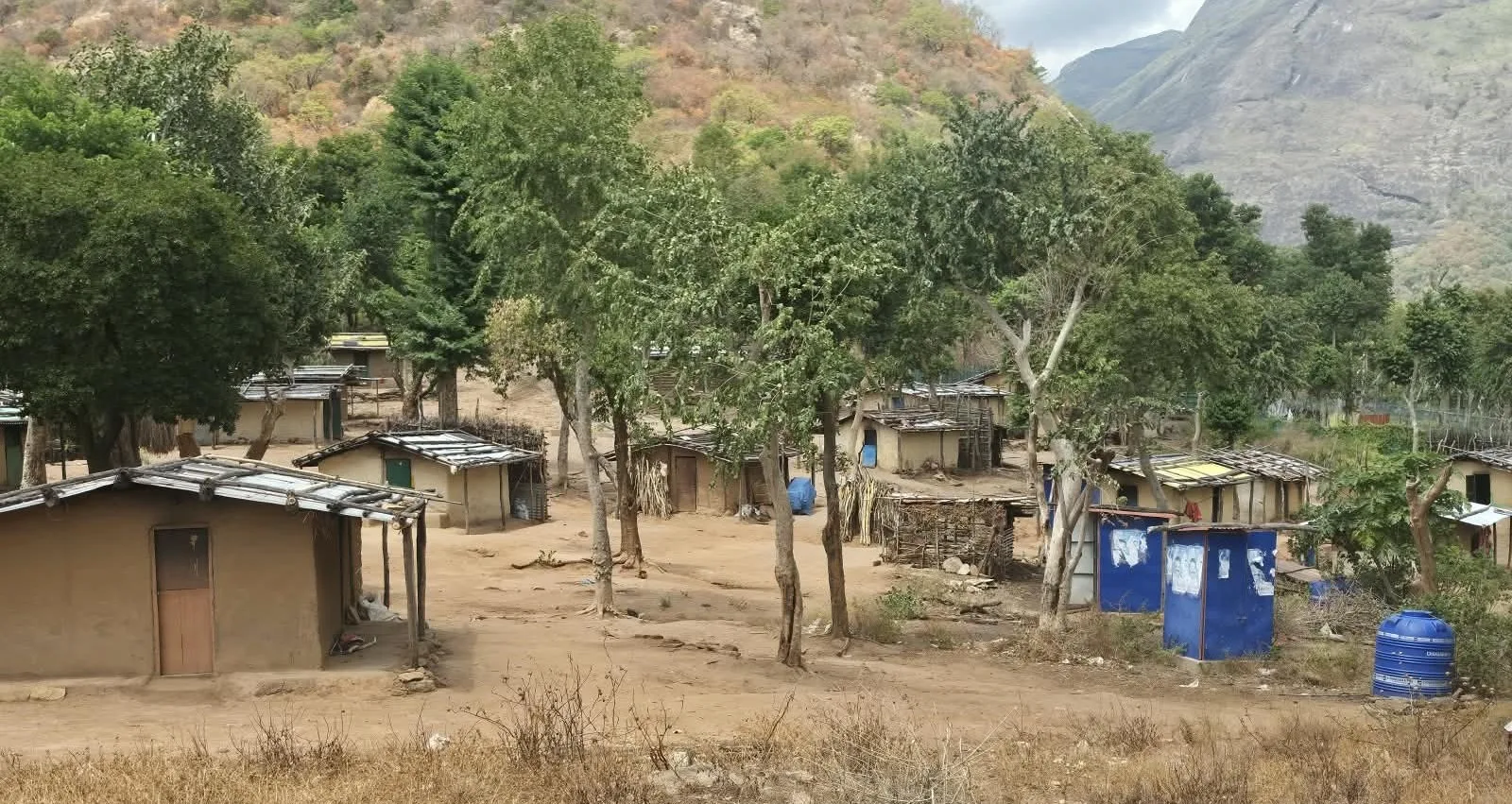
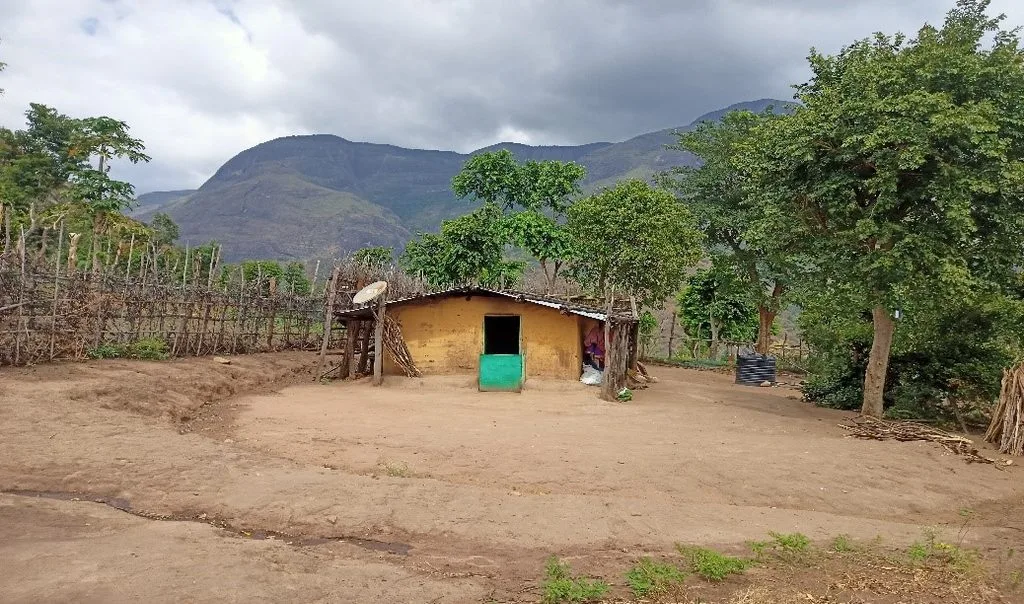
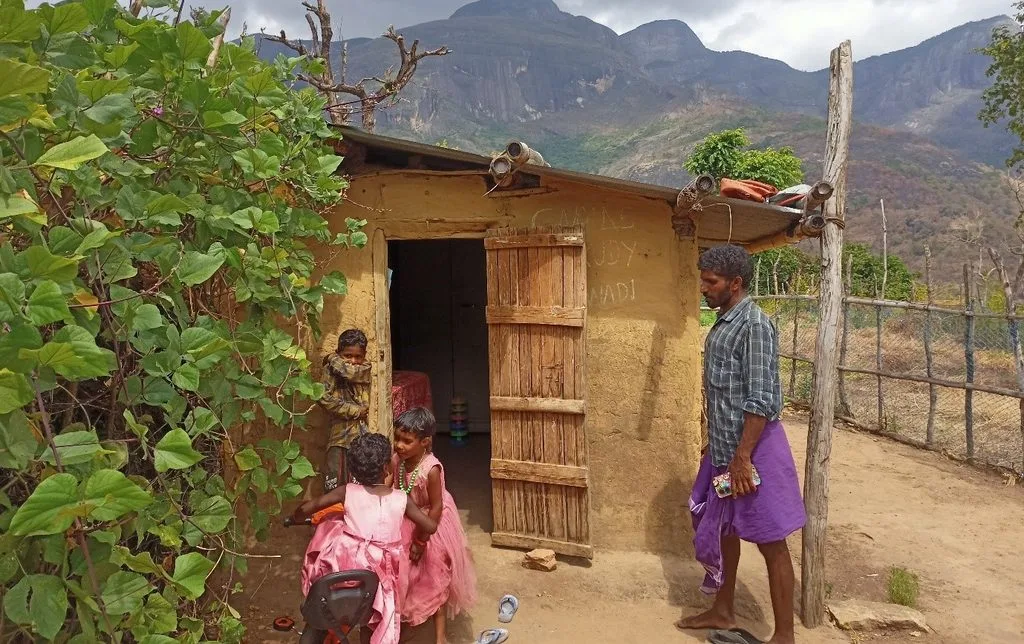
Mulagamutty Kudy comprises 18 households with a total population of 56 persons, including 26 males and 30 females. All 18 houses are reportedly constructed primarily with mud, and the houses have been constructed by the residents themselves. The nature of the housing reflects the vulnerability of households living without adequate formal housing support. The housing condition needs to be understood in relation to land tenure. The absence of title deeds has direct consequences for access to formal housing assistance. According to the residents, households are unable to benefit from the LIFE Mission housing programme and other facilities provided through the Gram Panchayat because they lack documentary proof of land ownership.
This demonstrates a significant contradiction in welfare delivery. The community was reportedly relocated to government-provided land following displacement, yet the absence of title documentation subsequently appears to prevent households from accessing further development interventions. A documentation deficit has consequently become a mechanism through which households are effectively excluded from otherwise legitimate welfare opportunities.
The problem therefore has two mutually reinforcing dimensions:
1.insecure tenure prevents housing improvement; and
2.inadequate housing reinforces the vulnerability associated with insecure tenure.
Breaking this cycle should be treated as a priority intervention.
5. Drinking Water and Basic Services
5.1 Drinking Water as a Major Development Concern
Drinking water emerged as a major issue during the field interaction and requires explicit attention in the development planning of the settlement. Access to safe and reliable drinking water is a foundational requirement for health, dignity and household well-being. In a geographically isolated tribal settlement, difficulties in accessing water can impose a particularly high burden on women and other household members responsible for collecting and managing water. The drinking-water issue should not be treated as an isolated infrastructure problem. It has implications for: household health and sanitation; women’s time and unpaid labour; children’s well-being; household hygiene; nutritional security; school attendance and educational participation; dignity and quality of life; and the overall habitability of the settlement. Given the small size of Mulagamutty Kudy —18 households—a settlement-specific drinking-water solution should be technically and financially feasible if planned appropriately, particularly under the Jal Jeevan Mission. The issue should therefore be incorporated explicitly into the Panchayat’s annual plan and, where appropriate, addressed through convergence with relevant water supply, tribal development and other departmental programmes.
5.2 Anganwadi and Early Childhood Services
The settlement has one Anganwadi, in which three children are currently enrolled. The presence of an Anganwadi represents an important institutional intervention in the settlement. At the same time, the very low enrolment warrants examination in relation to the demographic structure of the settlement and the accessibility and functioning of the service. The quality, regularity and accessibility of early childhood services should be continuously monitored in geographically isolated tribal settlements.
5.3 Other Essential Services
The poor road condition and distance from the Panchayat headquarters create potential barriers to timely access to healthcare, education, social security services, administrative documentation and emergency assistance. Thus, physical infrastructure and service delivery need to be considered together rather than as separate development sectors.
6. Livelihoods and Agricultural Dependence
Agriculture constitutes the principal livelihood activity of the residents. The major crops cultivated include ragi, ginger, beans and turmeric. The livelihood system is therefore predominantly based on small-scale cultivation and natural-resource-dependent economic activity. Agriculture in this context operates under several constraints: difficult terrain; poor road connectivity; high transportation costs; limited market access; climatic uncertainty; limited storage facilities; restricted access to agricultural extension services; and weak collective marketing arrangements. The poor condition of the connecting road is particularly consequential because agricultural production requires movement of both inputs and outputs. High transportation costs and limited market connectivity can substantially reduce farm-gate returns. Agricultural support should therefore not be confined to the provision of inputs. A more comprehensive livelihood approach should cover the entire value chain—from production and input access to aggregation, storage, transportation, processing, value addition and marketing. The possibility of developing collective agricultural activities through local women’s groups and tribal institutions should also be examined.
7. Kudumbashree and Women’s Economic Participation
One Kudumbashree unit is functioning in the settlement, comprising 16 members. However, the unit currently conducts mainly weekly meetings and does not undertake significant livelihood or income-generating activities. This represents an underutilisation of an important institutional platform for women’s collective empowerment and local economic development. The relationship between Kudumbashree and decentralised planning is particularly relevant here. Kudumbashree evolved within the institutional context of decentralisation and the People’s Planning Campaign, with convergence between community organisations and Panchayati Raj Institutions forming an important part of its development.
The Kudumbashree platform could potentially be used for: savings and credit; collective cultivation; agricultural processing; turmeric and ginger value addition; food processing; nursery activities; collective marketing; small-scale micro-enterprises; local procurement and supply activities; and other livelihood activities suited to the ecological and cultural context. Kerala’s current tribal development experience also demonstrates the potential of tribal Kudumbashree groups, micro-enterprises, agricultural collectives and value-addition initiatives as instruments of livelihood development. However, institutional presence alone does not guarantee empowerment. The Kudumbashree unit would require capacity building, working capital, technical assistance, mentoring, market linkages and convergence with Panchayat and departmental programmes.
8. Institutional Inclusion and Access to Development Schemes
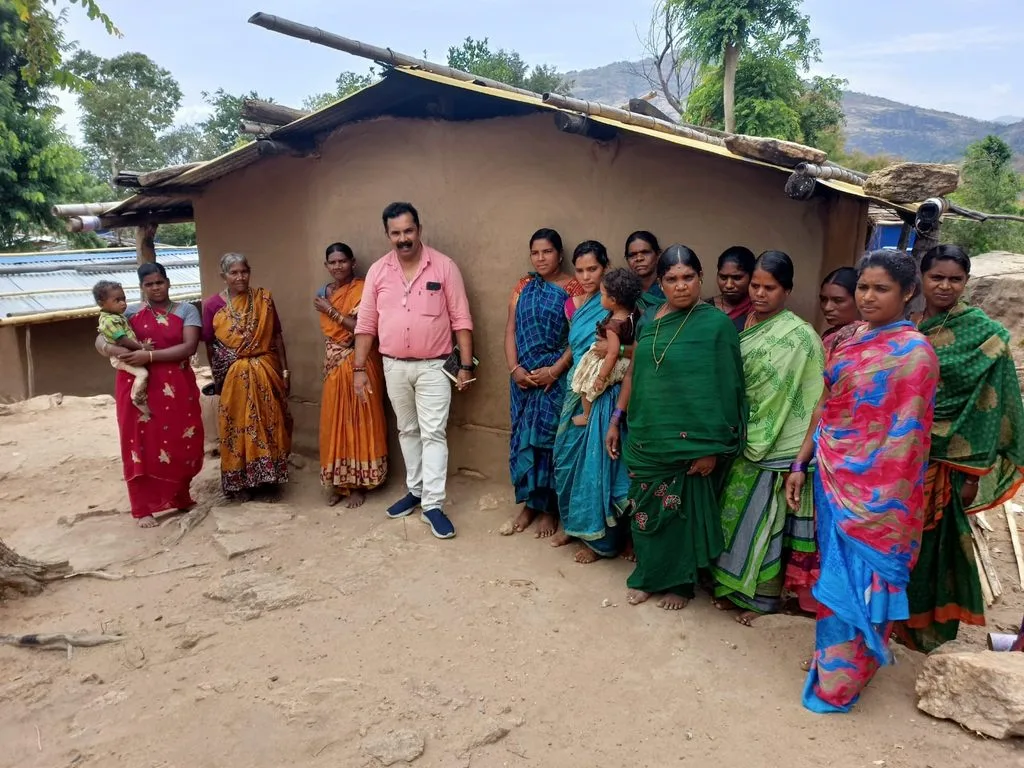
A major cross-cutting issue emerging from the field visit is the apparent disjunction between formal inclusion in the administrative system and substantive inclusion in development programmes. The settlement is recognised as a tribal habitation and has an Anganwadi and Kudumbashree unit. Government land was reportedly provided following relocation. There are also elected functionaries from the tribal community within the Panchayat. Nevertheless, residents continue to experience significant barriers in accessing housing and other development facilities. The absence of title deeds appears to be a particularly important bottleneck. Documentation in this case functions not merely as an administrative requirement but as a gateway to multiple public entitlements. This suggests the need for a convergence-based intervention involving the Gram Panchayat; Revenue Department; Scheduled Tribes Development Department; Forest Department; Kudumbashree Mission; relevant water and infrastructure agencies; and other departments concerned with housing, livelihoods and social protection. A fragmented scheme-based approach is unlikely to address the interconnected nature of the community’s problems.
9. Mulagamutty Kudy in the Context of the People’s Planning Campaign
The condition of Mulagamutty Kudy needs to be assessed against the broader philosophy of People’s Planning Campaign. The PPC, launched in Kerala in 1996, represented a major shift towards democratic decentralisation and participatory local development planning. Its underlying approach was to enable people to identify their priorities and translate them into locally relevant development projects through local governments. The decentralised planning process involves Gram Sabha/ Oorukoottam, working groups, development seminars, planning committees and local government institutions. This framework is particularly relevant to tribal settlements because geographical and social marginalisation can result in their priorities being underrepresented in mainstream planning processes. In the case of Mulagamutty Kudy, the identified priorities are relatively clear: secure land tenure and Pattayam; safe and reliable drinking water; improvement of the access road; durable housing; livelihood strengthening; agricultural marketing and value addition; activation of the Kudumbashree unit; improved access to welfare schemes; and stronger convergence between Panchayat and line departments.
These issues should be systematically incorporated into the Panchayat Development Plan and annual planning process. The PPC framework provides an opportunity to move from a generic category of “tribal development” towards settlement-specific planning. Instead of assuming that tribal development can be addressed through broad schemes, the Panchayat can prepare a specific development plan for Mulagamutty Kudy based on household-level and settlement-level needs. The principle should be planning with the community rather than merely planning for the community. This would require meaningful participation of the residents in the Gram Sabha /Oorukoottam/ planning process, systematic identification of their priorities, preparation of technically feasible projects, allocation of resources and periodic social monitoring.
10. Political Representation and Tribal Participation in Local Governance
An important institutional feature of the present situation is that the Marayur Gram Panchayat has two elected functionaries from the tribal community. This provides an important opportunity for strengthening the representation of tribal interests within the Panchayat’s decision-making processes. Political representation, however, needs to be connected to institutional mechanisms for translating community priorities into plans, budgets and projects. Representation becomes most meaningful when elected functionaries can facilitate articulation of settlement-level priorities; inclusion of tribal concerns in Panchayat planning; follow-up with departmental authorities; monitoring of scheme implementation; facilitation of documentation and welfare access; mobilisation of community participation; and accountability regarding the utilisation of tribal development resources.
The presence of two tribal elected functionaries therefore constitutes a potentially important institutional resource for Mulagamutty Kudy and other tribal settlements in the Panchayat. At the same time, the continued existence of basic deficits demonstrates that representation by itself is not sufficient. It needs to be supported by participatory planning, administrative responsiveness, resource convergence and effective implementation mechanisms. The two elected tribal functionaries could play a particularly important role in ensuring that issues such as drinking water, land documentation, housing and settlement infrastructure are regularly placed before the relevant Panchayat committees and planning forums.
11. Tribal Sub-Plan: Resource Availability and Utilisation
An important issue identified from the examination of Panchayat records concerns the utilisation of funds under the Tribal Sub-Plan (TSP). According to the Panchayat records examined during the field process, during 2024–2025, the Gram Panchayat received approximately ₹2.13 crore under TSP, of which approximately ₹1.19 crore was utilised. This implies that approximately ₹94 lakh remained unutilised, representing around 44.1% of the reported allocation. This level of under-utilisation warrants serious examination, particularly in the context of a tribal settlement experiencing multiple deficits in housing, drinking water, road connectivity, land documentation, livelihood development and access to public facilities. The issue should not be interpreted merely as a financial management problem. In a context of persistent deprivation, substantial unutilised tribal-development resources raise questions concerning: identification of appropriate tribal development priorities; preparation of implementable projects; technical feasibility of projects; inter-departmental convergence; institutional capacity; participation of tribal communities in planning; procedural and documentation barriers; monitoring of implementation; and the extent to which TSP planning reflects the needs of remote tribal settlements. The coexistence of available public resources and persistent development deficits suggests a possible gap between resource allocation and effective development delivery. A more outcome-oriented approach is therefore required, in which TSP expenditure is assessed not simply in terms of expenditure percentages but in terms of what tangible changes have occurred in tribal settlements because of the expenditure.
12. Integrated Analytical Interpretation
The situation of Mulagamutty Kudy illustrates the multidimensional nature of tribal deprivation. The community’s vulnerability cannot be adequately explained through income poverty alone. Deprivation emerges through the interaction of geographical isolation; historical displacement; insecure land tenure; inadequate housing; poor road connectivity; drinking-water difficulties; livelihood vulnerability; weak market integration; institutional barriers; inadequate utilisation of community institutions; and limitations in converting public resources into tangible outcomes.
12.1 The tenure–housing–welfare linkage
The absence of title deeds is particularly significant because it appears to have a cascading effect. Insecure land tenure contributes to housing exclusion. Housing exclusion then limits the community’s ability to benefit from other settlement-level interventions. Thus, land documentation becomes a foundational issue that needs to be resolved before several other interventions can be effectively implemented.
12.2 The water–health–gender linkage
The drinking-water problem should similarly be understood as a multidimensional issue. Inadequate access to water can affect health, hygiene, household labour, women’s time and overall quality of life. Consequently, drinking water should be treated as a core development priority rather than a secondary infrastructure requirement.
12.3 The road–livelihood–service linkage
Poor road connectivity affects not only physical mobility but also agricultural marketing, access to healthcare, education, government offices and emergency services. Improving the road can therefore generate benefits across several sectors simultaneously.
12.4 The institution–resource–outcome linkage
The settlement has multiple institutional entry points: Panchayat, Anganwadi, Kudumbashree, tribal elected functionaries and TSP resources. The key challenge is to connect these institutions and resources into a coherent development process. The issue is therefore not simply the absence of institutions. Rather, it is the limited convergence between institutions, resources and community priorities.
13. Major Issues Identified
The field visit brings out the following major issues:
1.Absence of title deeds: Despite relocation to government-provided land approximately 14 years ago, households reportedly remain without Pattayam/title documentation.
2.Insecure residential tenure: The absence of formal land documentation creates uncertainty regarding long-term residential security.
3.Exclusion from housing assistance: Lack of title documentation reportedly prevents households from accessing LIFE Mission housing and other Panchayat-supported facilities.
4.Drinking-water difficulty: Reliable and adequate drinking water remains a major basic-service concern requiring urgent attention.
5.Poor road connectivity: The approximately 10-kilometre access road from the main road is in poor condition and becomes particularly difficult during the monsoon.
6.Geographical isolation: The settlement’s distance from the Panchayat office and main road creates substantial barriers to public services and institutional access.
7.Vulnerable housing conditions: All 18 households live in houses constructed by themselves, predominantly using mud, without adequate formal housing support.
8.Livelihood vulnerability: Dependence on small-scale agriculture exposes households to market, climatic, transportation and production-related risks
9.Limited market integration: Poor connectivity potentially constrains transportation and marketing of agricultural produce.
10.Underutilisation of Kudumbashree: The 16-member Kudumbashree unit currently functions primarily as a meeting platform without substantial livelihood activities.
11.Institutional barriers to welfare access: Administrative documentation requirements appear to prevent households from converting formal eligibility into actual benefits.
12.Under-utilisation of TSP resources: Of the reported ₹2.13 crore received under TSP during 2024–25, approximately ₹1.19 crore was utilised, leaving approximately ₹94 lakh unutilised.
13.Weak convergence: Land, housing, water, livelihoods, infrastructure, tribal development and social protection issues require coordinated institutional action.
14. Gap between political representation and development outcomes: The presence of two elected tribal functionaries provide an important opportunity for representation, but this needs to be linked more systematically to participatory planning and implementation.
15.Need to strengthen the PPC process: The priorities of remote tribal settlements need to be more explicitly incorporated into Panchayat-level planning and resource allocation.
14. Recommendations
14.1 Immediate resolution of land documentation
The highest priority should be accorded to the verification and issuance of Pattayam/title deeds to eligible households in Mulagamutty Kudy. A joint administrative process involving the Revenue Department, Scheduled Tribes Development Department and Gram Panchayat should be undertaken to identify the precise status of each household and resolve pending documentation. A time-bound process with household-wise status tracking would help prevent the issue from remaining unresolved indefinitely.
14.2 Drinking-water security
A settlement-specific drinking-water plan should be prepared as an immediate priority. The technical feasibility of a reliable water source, storage facility, distribution arrangement and appropriate maintenance system should be examined. The intervention should be planned in consultation with residents and with particular attention to women’s needs and the sustainability of the source. Drinking water should be treated as a priority project within the Panchayat’s annual development plan.
14.3 Housing intervention
Following resolution of tenure-related issues, eligible households should be facilitated to access LIFE Mission and other appropriate housing programmes. Where immediate construction is not possible, interim measures should be considered to improve the safety and durability of existing houses.
14.4 Improvement of road connectivity
The access road to Mulagamutty Kudy requires urgent technical assessment and improvement. Given the settlement’s vulnerability during the monsoon, road development should incorporate appropriate drainage; slope protection; erosion control; climate-resilient construction; and arrangements for regular maintenance. The objective should not merely be construction of a road but year-round functional connectivity.
14.5 Strengthening agricultural livelihoods
Agricultural livelihoods should be strengthened through a comprehensive value-chain approach covering quality inputs; technical extension; irrigation/water support where feasible; storage; transportation; aggregation; processing; value addition; and market linkages. The potential for collective marketing of ginger, turmeric, ragi and other locally produced crops should be examined.
14.6 Activation of the Kudumbashree unit
The 16-member Kudumbashree unit should be supported to move beyond routine meetings towards concrete economic activity. Potential activities include turmeric and ginger processing; food products; collective agricultural marketing; nursery activities; value-added tribal products; small-scale processing; collective cultivation; and other locally viable micro-enterprises. Kudumbashree’s existing tribal development framework provides a basis for convergence, capacity building and livelihood promotion.
14.7 Strengthening the role of tribal elected functionaries
The two elected tribal functionaries in the Panchayat should be actively involved in ensuring that the specific needs of tribal settlements are reflected in: Gram Sabha/Oorukoottam discussions; working-group deliberations; annual plan formulation; TSP planning; development seminars; monitoring committees; and follow-up with line departments. Their role could extend beyond political representation to facilitating institutional coordination and community participation.
14.8 Settlement-level planning under the PPC
Mulagamutty Kudy should be treated as a specific planning unit within the broader Panchayat development process. A settlement-level development plan could identify: household-wise land documentation status; housing requirements; drinking-water requirements; road and infrastructure needs; livelihood opportunities; social-service requirements; eligible beneficiaries under different schemes; and institutional responsibilities. Such a plan should be prepared through direct consultation with residents and integrated into the Panchayat Development Plan. This would be consistent with the participatory orientation of Kerala’s decentralised planning system, in which people’s priorities are expected to be translated into local development projects.
14.9 Convergence of TSP resources
The reported unutilised TSP resources should be examined against the actual development gaps of tribal settlements in the Panchayat. A Tribal Development Action Plan could be prepared with identified settlement-wise priorities; project proposals; financial requirements; responsible agencies; implementation timelines; beneficiary details; and measurable outcome indicators. The emphasis should shift from merely reporting expenditure to demonstrating development outcomes.
14.10 Participatory monitoring and social accountability
Residents should be involved not only in identifying priorities but also in monitoring implementation. Periodic settlement-level reviews could examine whether projects have been sanctioned; whether funds have been released; whether works have commenced; whether benefits have reached households; and whether the intended outcomes have been achieved. Such a process would strengthen the connection between the PPC’s participatory principles and actual implementation.
15. Suggested Priority Action Matrix
| Priority | Issue | Proposed Intervention | Lead/Converging Institutions |
| 1 | Land tenure | Household-wise verification and Pattayam/title issuance | Revenue Department, ST Development Department, Gram Panchayat |
| 2 | Drinking water | Settlement-specific sustainable water-supply project | Gram Panchayat and relevant water-supply agency |
| 3 | Housing | Facilitation under LIFE Mission/other housing schemes | Gram Panchayat, LIFE Mission, ST Development Department |
| 4 | Road | Technical assessment and monsoon-resilient road improvement | Gram Panchayat/relevant engineering agency |
| 5 | Livelihood | Agricultural value-chain and market-linkage support | Agriculture Department, ST Department, Kudumbashree |
| 6 | Women’s livelihoods | Activate 16-member Kudumbashree unit | Kudumbashree, Gram Panchayat |
| 7 | Political participation | Strengthen role of two tribal elected representatives | Gram Panchayat |
| 8 | TSP utilisation | Settlement-specific Tribal Development Action Plan | Gram Panchayat, ST Department |
| 9 | PPC | Integrate settlement priorities into annual development planning | Gram Sabha/ Oorukoottam, Working Groups, Panchayat |
| 10 | Monitoring | Participatory review of implementation and outcomes | Panchayat, tribal representatives, community |
16. Special Recommendation for Tribal Satellite Panchayat
In tribal settlement colonies where a significant threshold of tribal population is concentrated, Tribal Satellite Panchayats may be constituted as decentralized institutional arrangements within the existing Panchayat system, without delinking the settlement from its parent Gram Panchayat. The Satellite Panchayat would serve as a localized platform for identifying, prioritizing, coordinating, and monitoring the provision of minimum public and essential services, including drinking water, sanitation, housing, roads, electricity, healthcare, education, nutrition, social security, and livelihood support. Where one or more elected representatives from the tribal community are members of the concerned Panchayat, such elected functionary or functionaries may be entrusted with a key role in facilitating and coordinating the functioning of the Satellite Panchayat. The Kani (traditional village head) may also be formally associated with the arrangement, drawing upon the community’s traditional leadership and knowledge. Together, the elected tribal functionary (s) in the parent Gram panchayat and Kani could facilitate community participation, identify local priorities, monitor service delivery, and coordinate with the parent Panchayat and relevant departments. (The details can be worked in consolations with the tribal communities) This mechanism would strengthen inclusive, participatory, and culturally responsive local governance while improving last-mile delivery and accountability. It may initially be implemented on a pilot basis and refined based on community feedback and outcomes.
17.Conclusion
The field visit to Mulagamutty Kudy demonstrates that the development challenges of a remote tribal settlement cannot be addressed through isolated scheme-based interventions. The community’s present condition is the cumulative outcome of historical displacement, insecure land tenure, geographical isolation, inadequate infrastructure, drinking-water constraints, vulnerable housing, livelihood insecurity and institutional barriers to welfare access. The most striking feature of the situation is the coexistence of formal institutional presence and continuing substantive deprivation. The settlement has an Anganwadi, a Kudumbashree unit, Panchayat representation and access to the broader institutional framework of tribal development. Government resources are also available through different programmes, including the Tribal Sub-Plan. Yet several basic needs remain unresolved.
The reported absence of title deeds for nearly 14 years after relocation is particularly significant. It has consequences beyond land ownership: it appears to restrict access to housing and other development benefits. Similarly, the drinking-water problem and poor road connectivity demonstrate how basic infrastructure deficits can affect health, livelihoods, mobility and access to public institutions simultaneously. The reported utilisation of only approximately ₹1.19 crore out of ₹2.13 crore of TSP resources during 2024–25, leaving around ₹94 lakh unutilised, assumes particular significance in this context. The issue should be approached not simply as an expenditure gap but as a question of whether the decentralised planning system is adequately identifying and responding to the priorities of tribal settlements.
This is where the People’s Planning Campaign provides an important institutional framework. Kerala’s decentralised planning model was designed to bring people’s priorities into the development process through local participation and democratic decision-making.
The situation of Mulagamutty Kudy suggests that the principles of participatory planning need to be applied more intensively to geographically isolated tribal settlements. The presence of two elected functionaries from the tribal community in the Panchayat is a valuable institutional opportunity. Their representation can help ensure that the concerns of tribal settlements are brought more systematically into Gram Sabha/ Oorukoottam discussions, Panchayat planning, TSP allocation, departmental coordination and implementation monitoring. However, representation needs to be complemented by active community participation and administrative responsiveness. The immediate priority should therefore be to move from a scheme-oriented approach to a settlement-oriented and convergence-based development strategy. Land documentation, drinking water, housing, road connectivity, agriculture, women’s livelihoods and welfare access should not be treated as independent issues. They are interconnected components of the community’s overall development condition.
A Mulagamutty Kudy Settlement Development Plan, prepared through the People’s Planning process with the active participation of residents and tribal elected representatives, could provide a practical mechanism for bringing these issues together. Such a plan should identify household-level needs, assign institutional responsibilities, mobilise available TSP and other resources, establish timelines and monitor measurable outcomes. Ultimately, the development of Mulagamutty Kudy should be assessed not by the number of schemes nominally available to its residents, nor merely by the amount of money allocated, but by whether households experience secure tenure, safe housing, reliable drinking water, all-weather connectivity, sustainable livelihoods, meaningful participation and effective access to their rights and entitlements. The field visit therefore points towards the need for a stronger form of participatory, settlement-specific and convergence-based tribal development planning, consistent with the larger objectives of Kerala’s decentralised governance and People’s Planning framework, including the proposed Tribal Satellite Panchayat mechanism.
Featured Image:Settlement Pattern in Mulagamutty Kudy. Box-match toilets are seen in blue.
C V BALAMURALI is Fellow, Centre for Rural Management (CRM) Kottayam, Kerala 686016. (E-mail: cvbalamurali@gmail.com)
T V THILAKAN is Associate Fellow, Centre for Rural Management (CRM) Kottayam, Kerala 686016. (e-mail: thilanthro@gmail.com,)
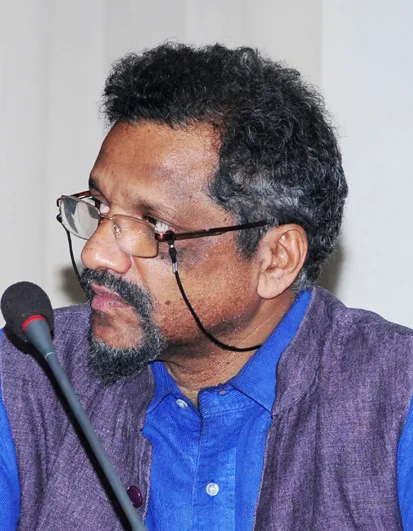
Jos Chathukulam is a Professor of Political Economy and Director of the Centre for Rural Management (CRM), Kottayam, Kerala. His academic work focuses on public policy, decentralisation, public finance, local governance, development studies, and political economy in India, with a special emphasis on Kerala. Prof. Chathukulam has authored and edited several influential books and research papers, and has served as a policy advisor to governments and international agencies. He is widely recognised for his critical engagement with development paradigms and for advocating sustainable, people-centred alternatives in economic and governance practices.