
Mitigating human wildlife conflicts in Kerala : Strategies for coexistence
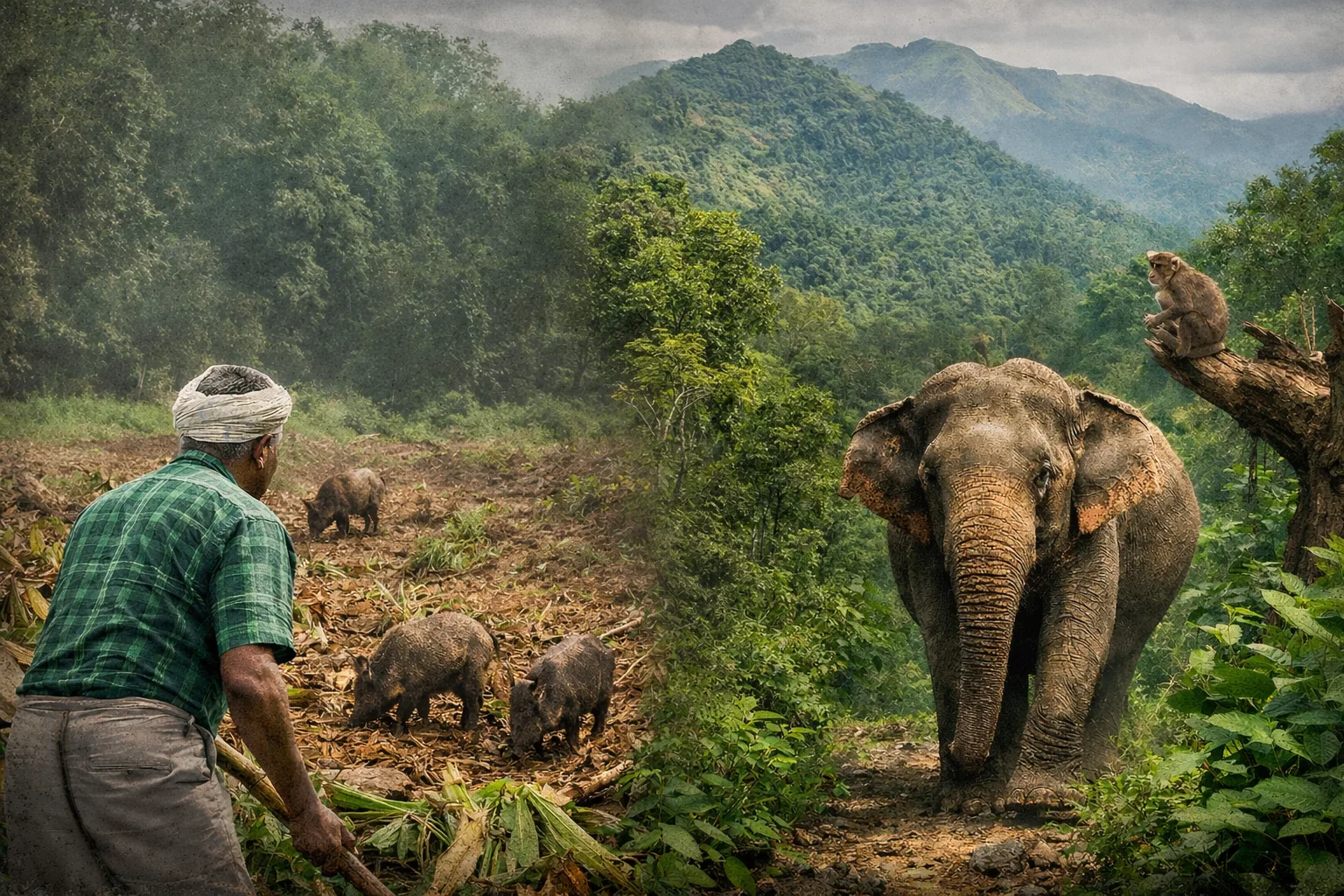
Kerala’s agrarian landscape is increasingly marked by a deepening crisis where farmers are caught between fragile livelihoods and the growing intrusion of wildlife. Through lived experiences, data, and expert insights, this article by Abhish K. Bose examines the complex drivers of human-wildlife conflict in the state and explores the urgent need for sustainable, community-driven strategies of coexistence.
Jolly Kalayil, a former software engineer from the US, returned to his hometown of Mannarakulanjy in Pathanamthitta district and invested in a seven-acre farm. While five acres are dedicated to rubber cultivation, the remaining two acres yield a variety of crops, including elephant yam, dragon fruit, purple yam, and tapioca and other crops. However, Jolly’s farming endeavour has been marred by challenges. ‘When I returned to Kerala, I envisioned a fulfilling life through farming, but the reality is starkly different. The menace of wild boars, monkeys, and squirrels has made it difficult to reap returns from agriculture. I regret my investment in farming. The wild boars, in particular, pose a significant threat, making it nearly impossible to tap the rubber trees,’ Jolly lamented. The farming venture has become unprofitable due to high labour costs and unpredictable crop prices. The sight of his crops being ravaged by wild animals has become a disheartening morning routine for Jolly.
Venkitesh, a farmer from Kattikulam in Wayanad district of Kerala, used to cultivate over ten acres of land. Now, he’s left with just three acres, and even that doesn’t bring him excitement. “I have done paddy farming and coffee in more than ten acres of land. However, now I am not pursuing it. Earlier, the menace was from elephants; now monkeys, squirrels, and peacocks are all doing the wreckage. I’m not interested to speak, as I know there’s no solution for this.”
Five Decades of Farming, Now on the Brink
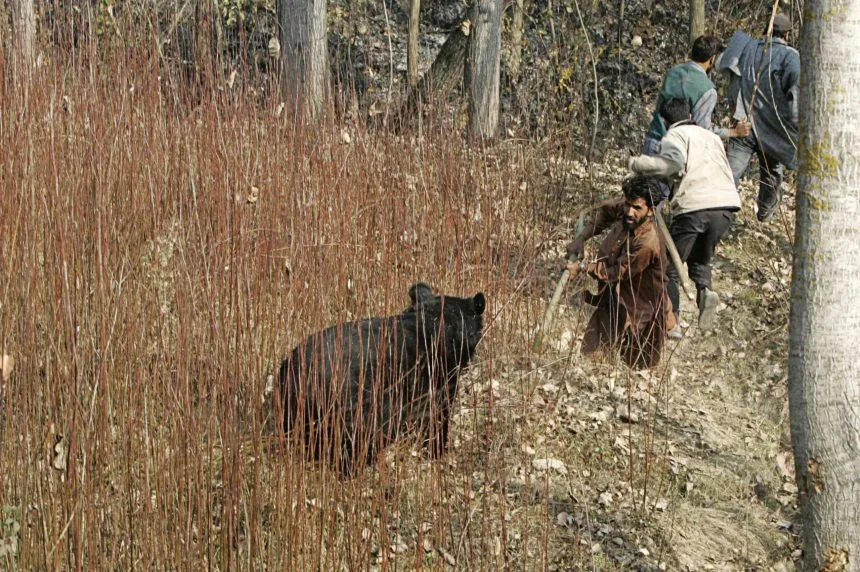
Thomas Pothanamala, a 50-year old veteran farmer who is now seventy plus age from Palaruvi in Aryankavu, Kollam district, has seen it all. He built a life, married, raised three daughters, and educated his son through his agricultural income. But over the past few years, wild animals have been wreaking havoc on his crops, including tapioca. “There’s no solution to this problem. Many are quitting farming due to this menace. Moreover, the excessive fee for laborers is also pulling people back from agriculture. Many are trying to sell their lands,” he lamented. “The entire eastern side of the district is facing this problem.”
A Daily Struggle
K Dominic from Ottakal, Kollam district, shares his heartbreaking experience with monkeys destroying his coconut trees. “The visual treat is very disappointing. Every day around 6 am, when I come outside, I can see hundreds of monkeys jumping from tree to tree, devouring coconuts. Sad to say, there’s no coconut for us to use.”
These tales paint a poignant picture of the struggles faced by Kerala’s farmers, who are bearing the brunt of wild animal intrusions destroying their crops. Tens of thousands of the small scale and middle scale farmers of the state are facing a big crisis as their entire dreams are shattered with wild animal menace destroying their crops. At many places the farmers are in confrontation with the forest department officials.
Human-wildlife conflict (HWC) is a pressing issue in Kerala, India, where the loss of natural habitats and changing land-use patterns have led to increased interactions between humans and wildlife. The resulting crop damage, livestock depredation, and property damage have significant economic and social impacts on local communities.
Understanding the drivers of HWC and developing effective mitigation strategies require a multidisciplinary approach that incorporates ecological, social, and technological perspectives.
Statistics
According to the official statistics of the forest department there is an year by year increase in man animal conflict in Kerala. From 2017 – 2018 to 2021- 2022 period, a total of 559 people succumbed to the attacks of elephants, Tigers, Bisons, Wild Boars, Leopard and snakes. In 2018 – 2019, the most number of persons, that 146 died as a result of wild animal attacks. Though in the next two years the death was reduced to 92 and 98, by 2021 – 2022 it again increased to 114 deaths. In 2020 – 21 period 9,88 persons got injured in the attacks of wild animals.
Districts like Wayanad, Idukki and Palakkad are at the epicentre of this crisis, but threat has also spread to other areas including Malappuram, Kannur, Thrissur, Kozhikode, Idukki, Pathanamthitta, Kottayam and Thiruvananthapuram.
Compensation for wild animal attacks cases, an arduous process
Jolly Kalayi, former Pathanamthitta district president of the Kerala Independent Farmers Association (KIA), expressed deep concern about the arduous process of securing aid for victims of man-animal conflicts in Kerala. He lamented that the family of John, a native of Enadhimangalam who tragically succumbed to injuries sustained in a wild boar attack, had to wait over a month to receive the preliminary compensation of Rs. 5 lakh.
Johny K George, a lawyer representing victims of animal attacks, highlighted the challenges faced by families of victims in securing compensation. He noted that forest officials often hesitate to acknowledge that a person was attacked by a wild animal, further complicating the process. According to government schemes, a total of Rs 20 lakh should be distributed to the families of victims who lose their lives in wild animal attacks. However, in most cases, only the initial Rs 5 lakh is disbursed, leaving families without further financial support.
Johny demanded the establishment of a special court to expedite the trial of similar cases. He also criticized the government’s recent decision to reduce the compensation for victims of wildlife attacks from Rs 10 lakh to Rs 6 lakh. “This decision is a step back from the government’s earlier commitment to support victims of wildlife attacks,” he said. “The government had announced a compensation of Rs 10 lakh for victims of wildlife attacks, in addition to the Rs 10 lakh provided by the central government. However, the state government had not been disbursing the compensation amount in full,” he added.
The issue has been highlighted in a case pending before the Kerala High Court, where the court has appointed amicus curiae to investigate the matter.* The amicus curiae report has pointed out that the government has not been paying the compensation amount in full, further exacerbating the plight of victims’ families. “The government’s decision to slash the compensation amount has been seen as a betrayal of the trust of the people, particularly those living in rural and forest areas who are more vulnerable to wildlife attacks,” Johny said.
Causes of Human-Wildlife Conflict in Kerala
According to Mani Chellapan, Professor and head, department of agricultural entology at College of Forestry, Thrissur, the primary ecological and anthropogenic factors driving wild animals into agricultural lands in Kerala are complex and interlinked, rooted in both environmental degradation and unsustainable land-use practices. Habitat fragmentation and degradation, especially in ecologically sensitive landscapes like the Western Ghats, have broken traditional wildlife corridors, disrupting animal movements and forcing them into human-dominated spaces. Rapid urbanization, monoculture plantations, and linear infrastructure like roads and canals have contributed to this issue. For instance, elephants, being large-ranging species, are particularly affected by the loss of continuous forest cover, resulting in increased crop-raiding incidents. Anthropogenic drivers include cropping pattern changes, such as the cultivation of high-calorie crops like banana, coconut, and tubers that attract wildlife. Abandoned farmlands, accumulation of waste, and the expansion of settlements close to forest edges also contribute to conflict by creating new attractants and easy-access zones for generalist species like wild boars and bonnet macaques. Climate-induced changes, such as irregular rainfall and forest fires, exacerbate the situation by reducing water and food availability inside forests, pushing animals to seek alternatives outside.
Impact on Agriculture and Need for Systematic Approach
According to Dr Mani, the extent of crop damages in Kerala is alarming, with yield losses ranging from 5% to 20% annually. Elephants, wild boars, peafowls, macaques, porcupines, and rodents are responsible for substantial destruction across key crops like banana, cassava, rice, and cowpea. To address these threats effectively, it is critical to use systematic and standardized methods to quantify crop damage. Field-based assessments, Live Burrow Count (LBC) for rodent monitoring, and indicators like pugmarks, camera traps, and direct sightings for wild boars and larger animals are essential.
Mitigation Strategies and Solutions
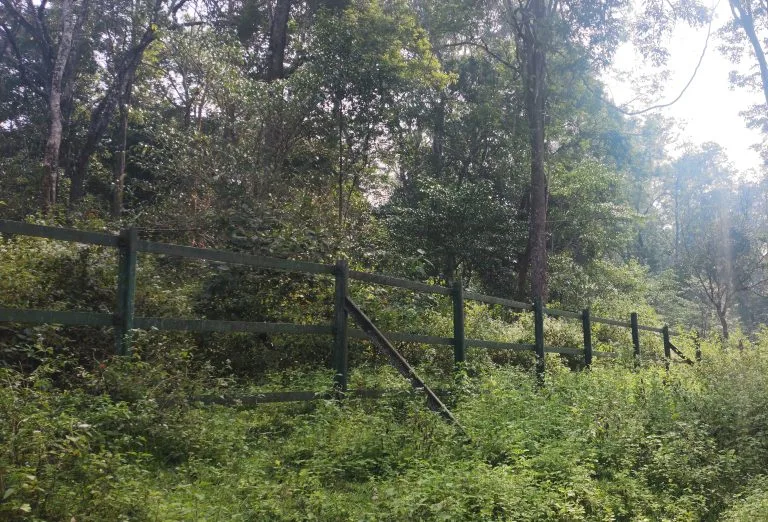
Dr Mani said that integrated land-use planning is critical to address these multifaceted issues. A landscape-level approach emphasizes corridor restoration, habitat improvement (e.g., waterholes, grasslands), and spatial zoning of conflict hotspots. This should be supplemented with real-time early warning systems, community-led mitigation (e.g., bio-fencing, saree fences), and participatory governance mechanisms. Integrating machine learning tools for conflict risk zone mapping enables precision-targeted mitigation strategies that can proactively prevent animal incursions. Effective crop protection measures include mechanical methods like solar-powered electric fencing, nylon net fencing, and galvanized iron/barbed wire fencing. Olfactory deterrents like egg-based repellent spray and BoRep (odour-masking agent) can also be used to deter wildlife. Acoustic deterrents like Automatic Cracker Station and bio-acoustic devices can scare off wildlife intruders without causing physical harm. These methods can be used individually or in combination to achieve optimal results”, Dr Mani added.
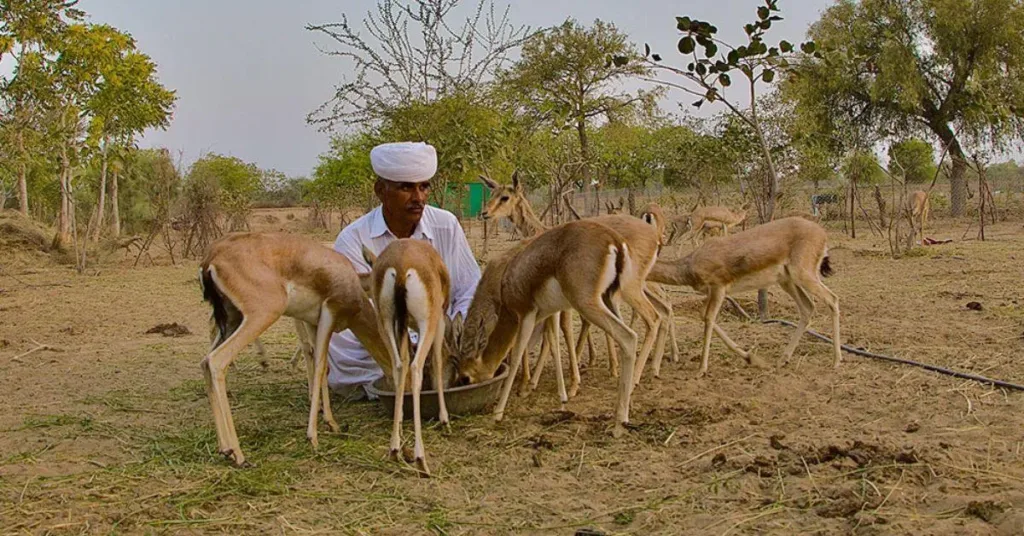
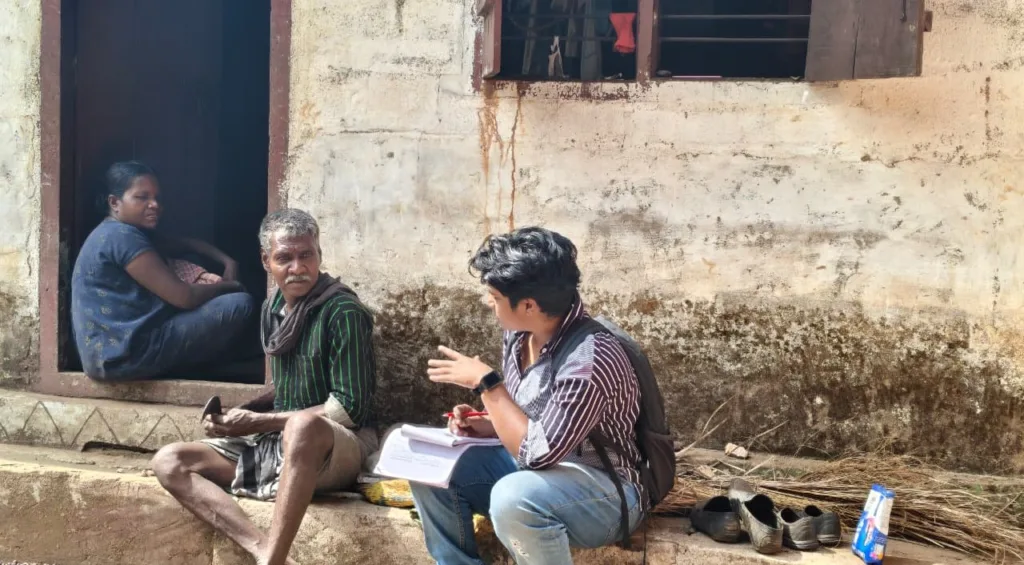
According to Ramseena PP, a Ph.D. Research Scholar, department of Gandhian Thought & Peace Science,The Gandhigram Rural Institute (Deemed to be University), who is doing a PhD on the topic ‘ human wild life conflict, a transformative approach’ says that “Human-wildlife conflict in Kerala’s Western Ghats is a complex issue driven by rapid land-use changes, habitat fragmentation, and declining resource availability. The expansion of agricultural lands, infrastructure development, and climate change have modified and degraded natural habitats, forcing wildlife to invade human settlements in search of food, water, and shelter. This conflict is characterized by crop damage, livestock predation, and human casualties, with over 48,000 incidents of crop damage reported between 2013-14 and 2018-19, and 51 human deaths documented in Wayanad due to wildlife attacks over the last 10 years.
Causes and Consequences of Conflict
According to Ramseena, the conflict is exacerbated by habitat fragmentation, land-use alteration, and climatic variations, which alter wildlife behavior and force them to compete with humans for resources. Human activities like movement of livestock and humans in wildlife habitats also trigger defensive responses from animals. Conservation efforts have led to the resurgence of animal populations, but have inadvertently intensified conflicts due to habitat depletion.
Mitigation Strategies
Ramseena points out that to address human-wildlife conflict, landscape-scale planning, restoration of ecosystems, and climate adaptation policies are necessary. Habitat connectivity and wildlife corridors are crucial management strategies, preventing direct confrontation between wildlife and humans. Conservation measures like identification and legal protection of important corridors, reconstruction of degraded forest strips, and holistic land-use planning can restore ecological connectivity. Local community participation in wildlife corridor management and ensuring their livelihood security are essential for sustainable coexistence. Some initiatives, like the Wayanad Conflict Mitigation Project, have been launched to reduce human-wildlife conflicts through collaborative efforts with stakeholders and establishing Primary Response Teams.
Importance of Animal-Specific Strategies
According to Dr Amitha Bachan, Ecologist, Research Department of Botany MES Asmabi College, Founder Western Ghats Hornbill Foundation, there should be animal-specific strategies to deal with each animal that is infringing into human habitats. “The strategy meant for a Tiger ought not be that one that is necessary for a Leopard or an elephant. Human wildlife management is actually ensuring coexistence. For ensuring coexistence, the involvement of local communities is needed to be increased. For increasing the involvement of local communities, we need to devise landscape-based or hotspot-based priorities. It has to be problem-specific and animal-specific and animal behavior-specific,” he added.

Role of Local Communities and Indigenous Knowledge
Dr Bachan said that Any management solutions used, including physical barriers or rapid response teams, should include continuous involvement of local communities, especially indigenous people, and multiple stakeholders. Indigenous knowledge should be incorporated, and technology should be used to drive solutions. Continuous monitoring should happen at wildlife conflict zones, and indigenous people should be involved in this monitoring.
Eco-Restoration and Habitat Management
Dr Bachan maintained that another important aspect is eco-restoration, which should be visualized as location-specific. The notion that growing a lot of food and fodder inside the forest will lessen human-animal conflict in Kerala is wrong. Eco-restoration should focus on the habitat of threatened species. In agricultural fields and abandoned fields contiguous to human habitats, there should be an increase in activities to prevent attracting wild animals.
Habitat Management Strategies
According to Dr. Biju S, Professor, Dept. of Livestock Production Management, College of Veterinary and Animal Sciences Mannuthy, an understanding of the foraging plants in the case of herbivores can help ensure availability of such forages in the forest area by habitat management. For grazing animals, ensuring availability of grasses through habitat management, including controlled use of fire in certain seasons, can be attempted. Making more water holes in different parts of the forest is also a habitat management strategy often employed to ensure water availability year-round.
Climate change and human wild life conflict
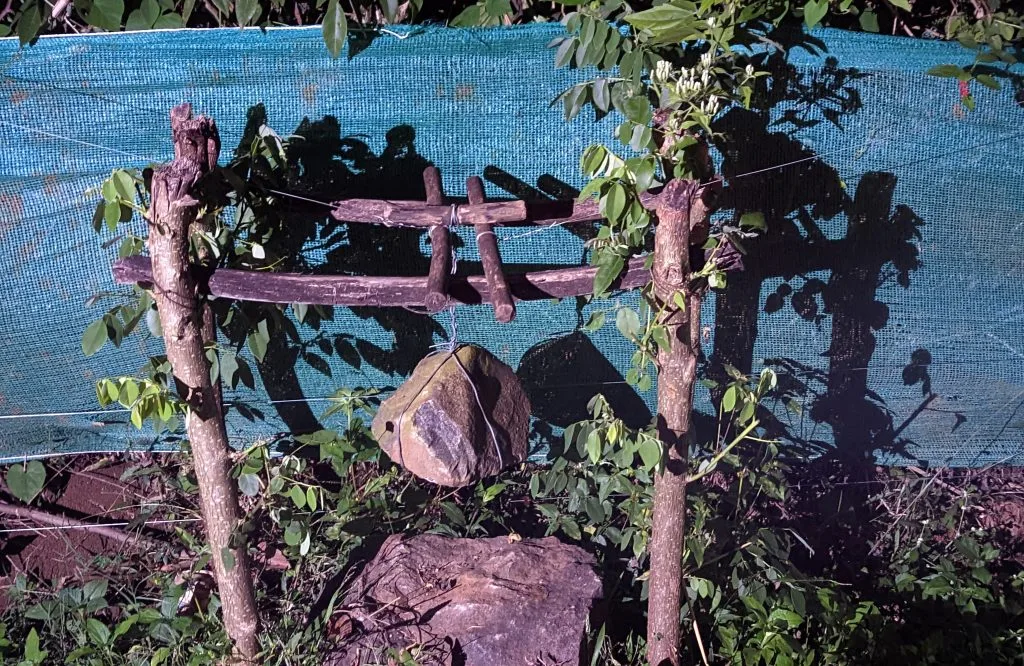
According to Prof. PO Nameer, Dean, College of Climate Change and Environmental Science, Kerala Agricultural University, Thrissur, says that regarding the factors including climate change precipitating man animal conflict ‘we do not have any data or studies to support or negate this statement.. “There is no data to support that climate change is responsible for the increasing incidence of HWC in Kerala. The reason for HWC needed to be understood in detail, which varies from place to place.. the causative factor at Wayanad need not be the same for Idukki or Palakkad or Kannur.. it varies from site to site and that needed to be understood clearly”, Prof Nameer added.
“The solution also has to be site-specific and we should not be looking for one stop solution for the HWC. it varies between the sites and between the species.
First of all HWC is not something that has occurred or happened overnight. It has been in existence since we started settled agriculture centuries ago. The reporting of incidents has increased lately. The tolerance level of the people also has come down substantially. Even if we see a snake or squirrel, we press the panic button these days. The HWC is a highly complex issue that has evolved to its current level over several years and decades. And we are now trying to find an instant solution, which is not there. Habitat loss, habitat fragmentation, changes in land use in the forest fringe landscape, etc could be some of the reasons. but as I said, there are only the hunches, but no data to support these either.
Role of AI in Tracking Wild Animal Movements
According to the technology experts, the wild animal movements can be tracked through AI facilities. Praveen M Nair, ELV Consultant, Surya SANC, who installed the AI surveillance currently deployed in Palakkad and Wayanad is a 2 dimensional solution.
The solution is Perimeter Intrusion Detection with AI and Distributed Acoustic Sensing (DAS).
The camera surveillance is equipped with AI Edge boxes/ modules which detects, and analyses the footage and classify the animal (the system can identify Elephants, tigers, Bison, Bear, wild boar etc… Recognising as to a specific elephant by its name/ numbering is currently not in scope but with adequate meta data that too is possible.
The system generates messages to Telegram/ Whatsapp with time stamp and snap shot as an early detection and warning as to animals are approaching human habitat. In addition, after successful identification of the species, it generates customised sounds to deter, chase away the animal and has been effective at all occasions as and when animals were detected.
The PIDS along with these AI camera systems are deployed along the covert buried OFC route for DAS sensing, generates triggers over a longer llinear stretch (currently 10 KMS) with exact geo coordinate of animal crossing (especially elephants). All these data is useful to identify the frequency of animal crossings and identification of vital crossing locations to strategically plan for additional mitigation plans.
Though these AI Systems can work as an independent infra and can also be deployed with preloaded meta data as a decentralised setup, we have deployed it as a centralised solution with live streams available at DEOC Control room at Olavakode,Palakkad. The data from AI Edge camera systems are pushes to a central server which is accessible from any forest station/ office with event verification and data compilation options.
According to Praveen, the system is effective to detect the wild animals early enough before entering the human habitat. The local alarm triggers is also effective in driving away the animals especially elephants.
The system is equipped with sirens and speakers which can play customised sound which can be changed whenever the elephant get used to a particular sound effect.

A journalist with 18 years of experience Abhish K Bose was a staffer at The Times of India and The Deccan Chronicle - Asian Age. As a contributor, his interviews and articles have been published in Frontline magazine, The Wire, The Print, The Telegraph, The Federal, The News Minute, Scroll, The Kochi Post, The Leaflet, The Hindu.com, Outlook.com Countercurrents.org and the Asian Lite international published out of London
- Agricultural crisis Kerala
- AI in wildlife tracking
- Climate change and wildlife conflict
- Crop damage wildlife India
- Elephant conflict Kerala
- Farmer distress stories Kerala
- Human-wildlife conflict Kerala
- Indigenous knowledge conservation
- Kerala farmers crisis
- Land use change Kerala
- Rural economy Kerala
- Sustainable coexistence wildlife
- Wayanad wildlife conflict
- Western Ghats ecology
- Wild animal attacks Kerala
- Wild boar menace Kerala