
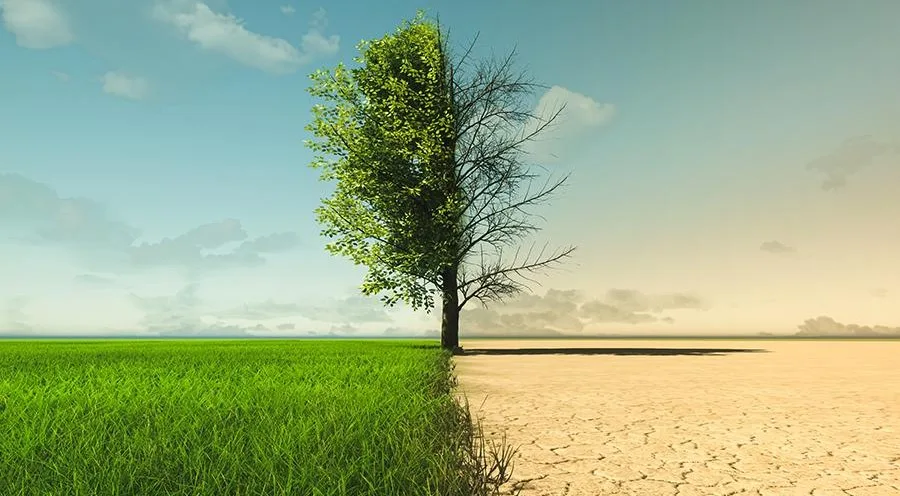
Mirage Economy – Part 2: When the Planet Crosses Its Limits
How far can we push the Earth before its systems begin to break down? The answer is becoming increasingly alarming. Scientists have identified nine planetary boundaries that help define the conditions necessary for a stable, resilient and life-supporting Earth. Several of these boundaries have already been crossed, while biodiversity is declining, forests are disappearing, oceans are under increasing pressure and invasive species are spreading at unprecedented rates. In this second part of Mirage Economy, we examine the symptoms of ecological breakdown and the growing evidence that some changes may become irreversible.
The biophysical Earth system consists of all the interconnected components of our planet: air, water, ice, land, and all living species[i]. These components constantly interact, forming a large network, where changes in one area can affect the others. Considering the Earth system this way helps us better care for our planet.
In general, there are three major aspects of today’s Earth system that are crucial for humanity to thrive:
Stability: The Earth system’s ability to not disrupt relatively constant conditions over long periods, as seen during the Holocene.
Resilience: The Earth’s capacity to withstand disturbances and recover from them, such as the ability of a forest to recover from a wildfire disturbance and return to a comparable pre-fire state.
Life-Support Functions: The essential processes provided by the Earth system sustain life on our planet by, for example, maintaining temperature ranges suitable for abundant life in many regions and sustaining the cycles of water between soils, plants, and the atmosphere.
1.1.1 Exceeding safe limits[1]
The Planetary Boundaries framework identifies the nine Earth system processes essential for maintaining global stability, resilience and life-support functions[ii]. These boundaries represent the safe operating limits for each process, beyond which the risk of causing severe and potentially irreversible environmental changes increases. Staying within these boundaries helps ensure that the Earth system remains stable and capable of supporting life and human development.
Climate change is just one of the nine planetary boundaries that humanity shouldn’t cross, albeit the most important among the nine[iii]:
“… climate change, biodiversity integrity (functional and genetic), ocean acidification, depletion of the ozone layer, atmospheric aerosol pollution, biogeochemical flows of nitrogen and phosphorus, freshwater use, land-system change, and release of novel chemicals (including heavy metals, radioactive materials, plastics, and more). Together, the stability of these nine processes is essential to maintaining the Earth’s atmosphere, oceans and ecosystems in the delicate balance that has allowed human civilizations to flourish. However, these are also the processes that human activities have impacted most profoundly.”
If our actions push these boundaries too far, these processes
“lose resilience and can transition, abruptly and irreversibly, into a new self-reinforcing state — one that might not support humanity”.
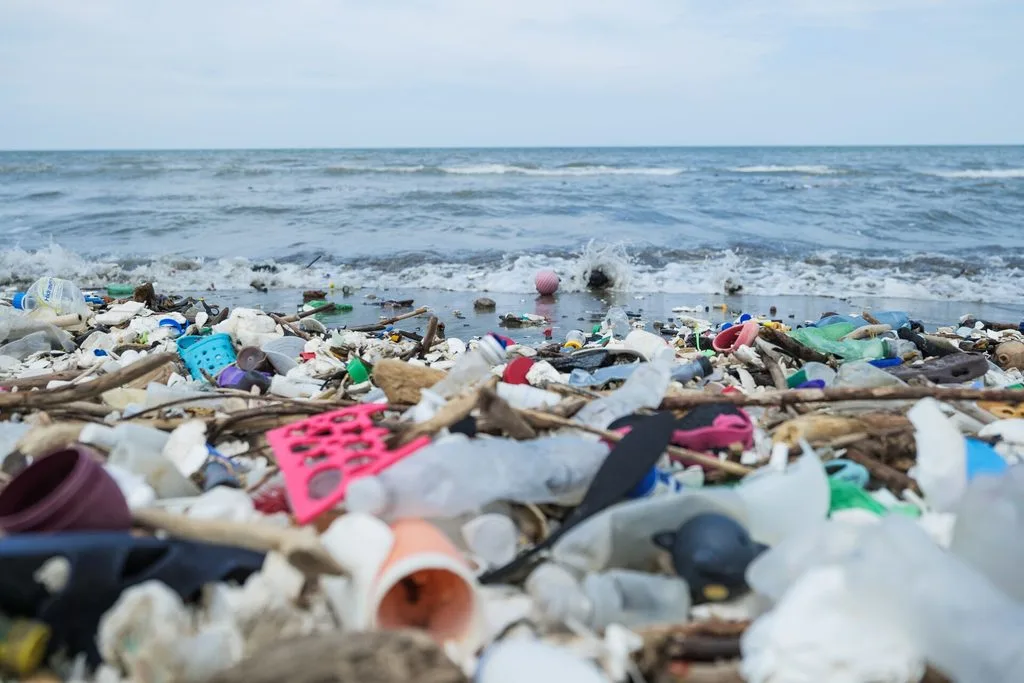
The scary news is that six of nine planetary boundaries – biogeochemical flows (Earth’s nitrogen and phosphorous cycles, which are being heavily impacted by global agribusiness and industry), biosphere integrity, the climate, freshwater, land use, and novel entities – had already been breached by 2023 and the seventh (ocean acidification) has been crossed now[iv].
We must keep in mind that
“these limits are estimates: what we don’t know is how long we can keep pushing these key planetary boundaries before combined pressures lead to irreversible change and harm. Think of humanity, blindfolded, simultaneously walking toward nine cliff edges, and you gain some sense of the seriousness and urgency of our situation.”
Planetary-scale environmental forcing by humans continues and individual Earth system components are, to an increasing extent, in disequilibrium in relation to the changing conditions[v]. Currently, anthropogenic perturbations of the global environment are primarily addressed as if they were separate issues, e.g., climate breakdown, biodiversity loss, or pollution. This approach, however, ignores these perturbations’ nonlinear interactions and resulting aggregate effects on the overall state of Earth system. Planetary boundaries bring a scientific understanding of anthropogenic global environmental impacts into a framework that calls for considering the state of Earth system as a whole.
1.1.2 Irreversible changes[2]
In order to drive home the point that exceeding planetary boundaries is an irreversible journey let us look at the loss of biodiversity in some detail[vi].
Scientists believe earth is home to anywhere from 5.3 million to one trillion different species, 8.7 million being “the most commonly cited figure[vii]“.
“According to the IUCN Red List[viii], a key source on the state of the world’s biodiversity, about 2.13 million species have been identified by scientists; around half of these species are insects. Just 6,577 are mammals, 369,000 are flowering plants and four are horseshoe crabs.”
“According to the most recent figures, wildlife populations have plunged[ix] by an average of 69% between 1970 and 2018. The abundance of mammals, birds, fish, amphibians and reptiles is falling fast, as populations of sea lions, sharks, frogs and salmon collapse. … These declines do not mean that nearly 70% of animals have been wiped out in just 48 years. It means populations have dramatically fallen and extinction risk is growing, although it is not distributed equally.”
“Changes in land and sea use, exploitation of natural resources, global heating, pollution and the spread of invasive species are the five main drivers of this loss of life, according to leading UN experts[x].”
“Scientists have conducted analysis of more than 147,500 species for the IUCN Red List, finding that more than 41,000 are threatened with extinction. Cycads – ancient seed-bearing plants that pre-date the dinosaurs – are the group most threatened, with more than 80% at risk of disappearing altogether. More than 40% of sharks and rays are at risk of extinction, while more than a fifth of birds could go.”
Out of about 169,420 species assessed, more than 47,000 (28%) are threatened with extinction[xi]. Species-wise breakdown follows:
| Amphibians | 41% | Birds | 12% | Selected crustaceans | 28% |
| Mammals | 27% | Sharks & Rays | 37% | Reptiles | 21% |
| Conifers | 34% | Reef corals | 44% | Cycads | 71% |
Global species loss has additional negative effects like the loss of unique traits (loss of trait or morphological diversity due to increased homogeneity), loss of evolutionary history, and benefits to humanity that may be currently unknown. Research has found that “traits were lost at a much, much, much greater rate than just species loss could predict. This is really important because that can lead to a major loss of ecological strategies and functions[xii].”
“The human domination of the planet has also meant that livestock and humans far outweigh wild animals. In terms of biomass, plants are the most abundant, comprising 82% of the total, according to a 2018 estimate. Of mammals, which make up a tiny portion of the overall figure, livestock comprise 60%, humans 36% and wild animals just 4%.”
“Over the decade since 2010, the net loss in forests globally was 4.7 million hectares per year. However, deforestation rates were much significantly higher. The UN FAO estimate that 10 million hectares of forest were cut down each year[xiii].” Net forest loss is not the same as deforestation – it measures deforestation plus any gains in forest over a given period.
“Other early warning signs that we are approaching a climate change tipping point include increasingly frequent and severe[xiv] droughts, heat waves, storms, and tropical cyclones[xv].”
The extent of loss and destruction in the oceans is worrisome, to put it mildly. For example[xvi]:
Fossil fuel exploration is threatening an ever-expanding swathe of the Coral Triangle, one of the most bio-diverse marine areas in the world, a report said on Oct 26. …
Dubbed the “Amazon of the seas” for its species variety, the Coral Triangle covers over 10 million sq km in the waters of Indonesia, Malaysia, Papua New Guinea, Singapore, the Philippines, Timor-Leste and the Solomon Islands.
It contains three-quarters of the world’s known coral species … The triangle is home to six of the world’s seven marine turtle species and acts as a feeding ground for whales and other marine mammals. More than 120 million people rely on it for subsistence.
Yet, oil and gas concessions and production areas overlap with tens of thousands of square kilometers of marine protected areas, said the report. It noted more than 100 known offshore oil and gas blocks are producing in the region. Another 450 blocks are being explored for future extraction. “If all blocks were to go into production, about 16 per cent of the Coral Triangle would be directly impacted by fossil fuel development,” said the report.
It warned that fossil fuel expansion will increase tanker traffic and the risk of oil spills. … Since July 2020, satellites have spotted 793 oil slicks in the Coral Triangle, said the report. Almost all were created by transiting vessels, some by oil infrastructure. “Cumulatively, all slicks covered an area over 24,000 sq km – nearly enough oil to cover the land in the Solomon Islands,” said the report. …
A report by Greenpeace said only 8.4 per cent of the global ocean enjoys protection to date.
Global spread of invasive alien species is causing severe hardship to people[3] and natural ecosystems worldwide, with particularly severe impact on islands and “terrestrial realms, especially in temperate and boreal forests and woodlands and cultivated areas (including agricultural land). About one quarter of documented negative impacts have been reported from aquatic realms, especially from inland surface waters/waterbodies and shelf ecosystems[xvii]“.
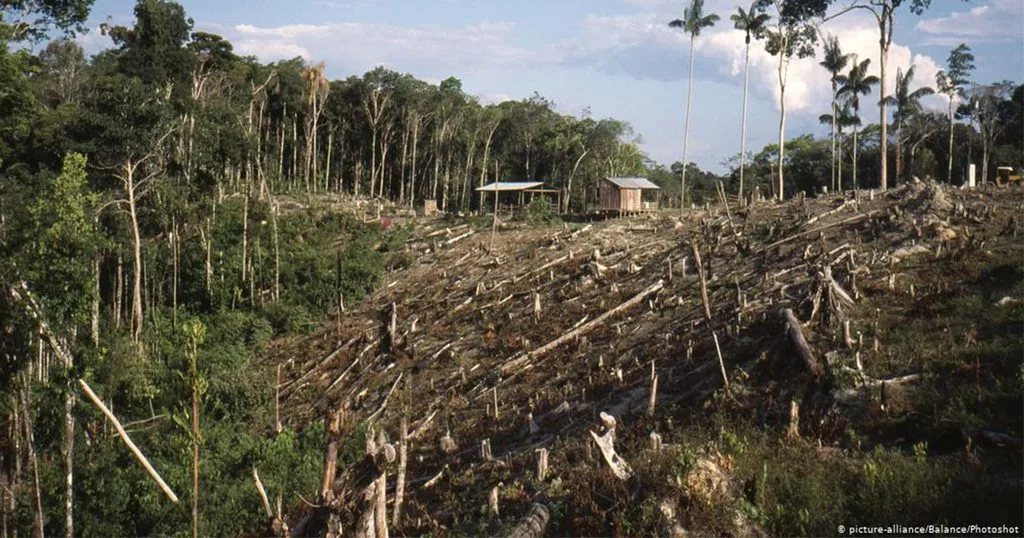
More than 37,000 established alien species have been introduced by human activities across all regions and biomes of Earth, with new alien species presently being recorded at an unprecedented rate of approximately 200 annually.
Invasive alien species have contributed solely or alongside other drivers to 60 per cent of recorded global extinctions, and are the only driver in 16 per cent of the documented global animal and plant extinctions.
In 2019, global annual costs of biological invasions were estimated to exceed $423 billion.
People with the greatest direct dependence on nature, including those involved in gender- and age-specific activities, such as fishing or weeding, may be disproportionately affected by invasive alien species. More than 2,300 invasive alien species are found on lands managed, used and/or owned by Indigenous Peoples across all regions of Earth, threatening their quality of life, often leading to general feelings of despair, sadness and stress. Indigenous Peoples and local communities, ethnic minorities, migrants, poor rural and urban communities are disproportionately impacted by invasive alien vector-borne diseases.
Many invasive alien species have been intentionally introduced outside their natural range around the world for their perceived benefits without consideration or knowledge of their negative impacts, but there have also been many unintentional introductions, such as contaminants of traded goods or stowaways in shipments.
The ongoing amplification of drivers of change in nature may substantially increase the number of invasive alien species and their impacts in the future.
Invasive alien species and their negative impact can be prevented and mitigated through effective management.
Apart from the introduction of alien (often, invasive) species, human actions upsetting the ecological balance lead to rapid loss of biodiversity. For example, in the southern Indian state of Tamil Nadu, in areas where formerly the population of peafowl was kept in check by predators like fox, mongoose, etc., the loss of such predator species[4] has resulted in a proliferation of peafowl. These impose a heavy burden on farmers because peafowl are a voracious eater of many kinds of farm produce. In addition, they contribute to loss of biodiversity by exterminating populations of snakes and other prey.
Appearance of new pathogens and diseases, already known diseases affecting millions more people (especially those who don’t have the means to protect themselves and get treatment)[xviii],[xix], micro-plastic invasion of our bodies, rapid loss of species, land and climate becoming unsuitable for farming, farm produce becoming less nutritious are some of the direct manifestations of the breakdown of Nature.
References
[1] In this section we have quoted extensively from a March 2021 article by Mongabay listed in reference 25.
[2] Most passages in this section are from the Guardian article dated 2022 Dec 06, listed in reference 28.
[3] For example, by stunting the growth of, or totally eliminating, edible wild plants and medicinal plants.
[4] Climate change is another important cause of this proliferation.
[i] L. Caesar et al., “Planetary Health Check Report 2024”, Potsdam Institute for Climate Impact Research, https://www.planetaryhealthcheck.org/storyblok-cdn/f/301438/x/a4efc3f6d5/planetaryhealthcheck2024_report.pdf
[ii] Please see reference 23 (L. Caesar et al.) above.
[iii] Claire Asher, “The nine boundaries humanity must respect to keep the planet habitable”, Mongabay, 30 March 2021, https://news.mongabay.com/2021/03/the-nine-boundaries-humanity-must-respect-to-keep-the-planet-habitable/
[iv] Jessica Corbett, “‘Ticking Time Bomb’: Study Says Ocean Acidification Crossed Planetary Boundary”, Common Dreams, 2025Jun09, https://www.commondreams.org/news/ocean-acidification
[v] Katherine Richardson, et al., “Earth beyond six of nine planetary boundaries”, Science Advances, 2023 Sep 13, https://www.science.org/doi/epdf/10.1126/sciadv.adh2458
[vi] Patrick Greenfield, et al., “The biodiversity crisis in numbers – a visual guide”, The Guardian, 2022 Dec 06, https://www.theguardian.com/environment/2022/dec/06/the-biodiversity-crisis-in-numbers-a-visual-guide-aoe
[vii] https://www.nature.com/articles/news.2011.498 (quoted in reference 28 above)
[viii] https://www.iucnredlist.org/resources/summary-statistics#Summary%20Tables (quoted in reference 28 (Patrick Greenfield, et al.) above)
[ix] https://www.theguardian.com/environment/2022/oct/13/almost-70-of-animal-populations-wiped-out-since-1970-report-reveals-aoe (quoted in reference 28 above)
[x] https://www.theguardian.com/environment/2021/oct/14/five-biggest-threats-natural-world-how-we-can-stop-them-aoe (quoted in reference 28 above).
[xi] IUCN 2025, “The IUCN Red List of Threatened Species”, Version 2025-1, ISSN 2307-8235, https://www.iucnredlist.org/en
[xii] Emma C. Hughes, David P. Edwards, Gavin H. Thomas, “The homogenization of avian morphological and phylogenetic diversity under the global extinction crisis”, Current Biology, Volume 32, ISSUE 17, P3830-3837.e3, 2022 Sep 12, DOI:https://doi.org/10.1016/j.cub.2022.06.018
[xiii] Hannah Ritchie and Max Roser, OurWorldInData.org, 2021, https://ourworldindata.org/deforestation#the-world-has-lost-one-third-of-its-forests-but-an-end-of-deforestation-is-possible
[xiv] https://www.edf.org/climate/climate-change-and-extreme-weather
[xv] Please see reference 25 (Claire Asher) above.
[xvi] AFP, “Fossil fuel production major threat to ‘Amazon of the seas’, which includes Singapore: Report”, The Straits Times, 2024 Oct 27, https://www.straitstimes.com/world/report-details-fossil-fuel-threat-to-amazon-of-the-seas
[xvii] “Summary for policymakers of the thematic assessment of invasive alien species and their control of the Intergovernmental Platform on Biodiversity and Ecosystem Services”, Advanced Unedited Version, 2023 Sep 04, downloaded from https://zenodo.org/record/8314303 on 2023 Sep 20.
[xviii] Carrie Arnold, “What’s driving mysterious epidemic of kidney disease?”, Nature, Vol. 642, 2025 Jun 05, https://www.nature.com/articles/d41586-025-01689-6
[xix] Aditya Ansh, “The link between leprosy and climate-change that we did not know about: an Indian story”, The Hindu, 2025 Jun 07, https://www.thehindu.com/sci-tech/health/the-link-between-leprosy-and-climate-change-that-we-did-not-know-about-an-indian-story/article69663925.ece
This article is the first in Panthi’s serial publication of Mirage Economy, a book by T. Ramakrishnan (Ramki), originally published on the author’s blog. We are reproducing the series with permission to make these ideas accessible to a wider audience.Mirage Economy and its accompanying slide presentations can be accessed on the author’s blog.

Ramki studied electrical engineering and worked for about a dozen years in VLSI Design Automation before quitting his job to (a) reduce his load on the environment and (b) try and do something useful for the society. He has put together six books in Tamil on social, economic, political, and environmental issues. He has translated six books from English to Tamil and one from Tamil to English, on socialism, agriculture, and education. Mirage Economy (an open-source online book) is the latest book that he has put together.