
“Silent Graves by the River”: Alleged Mass Murders and Institutional Cover-up in Dharmasthala
Despite a witness providing skeletal remains and detailed testimony on crimes he says were orchestrated by individuals linked to the powerful temple administration, authorities have delayed action, and much of the national and state media and political establishment remains shamefully silent. With literally hundreds of murders of young women alleged, this could be one of India’s gravest institutional cover-ups, if only the country would dare to look.
On the riverbanks near the Netravati in Dharmasthala, a hellish secret has been unearthed—one that has turned a seemingly idyllic temple town into a theater of horror. A former sanitation worker employed by the management of the popular Sri Manjunatha Temple, has filed a formal criminal complaint with the Dharmasthala police alleging that, over nearly two decades, he was coerced by his employers into burying and burning dozens of bodies—many of them young women and girls exhibiting unmistakable signs of rape, strangulation, burns, and acid attacks.
He says many of these corpses brought to him had their faces mutilated or burnt and their clothes removed—an obvious attempt to erase identity and forensic clues. He describes explicit threats from his superiors, who threatened to kill him al,ong with his family if he didn’t comply with the sinister assignment. In the deposition made before the magistrate at Belthangady court, he also claims that he was told that his predecessor was killed because he refused to comply, leaving him little choice in the matter.
Driven by fear, especially after a minor relative fell victim to abuse, he fled the town in late 2014, living in hiding for nearly a decade. In July 2025, moved by remorse, he says, he decided to return to the scene of the crimes to testify against the perpetrators. On returning, he revisited one of the burial sites where he exhumed skeletal remains of the victim, including a skull, photographed them, and submitted those along with identity documents (Aadhaar, voter ID, old temple ID) to authorities. In his complaint, he offered to disclose burial locations and identify alleged perpetrators, if he along with his family was granted protection under the Witness Protection Scheme, 2018.
On July 3, his complaint was formally filed; and an FIR was registered on July 4 by Dharmasthala police. The witness appeared in court on July 11 before a magistrate, where he gave a statement detailing his grave claims. Later, the government granted him official witness protection.
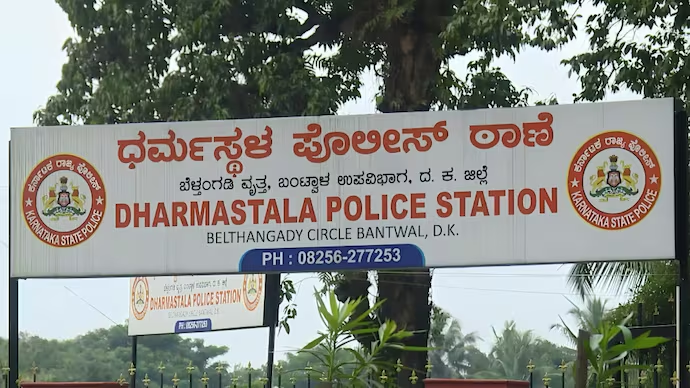
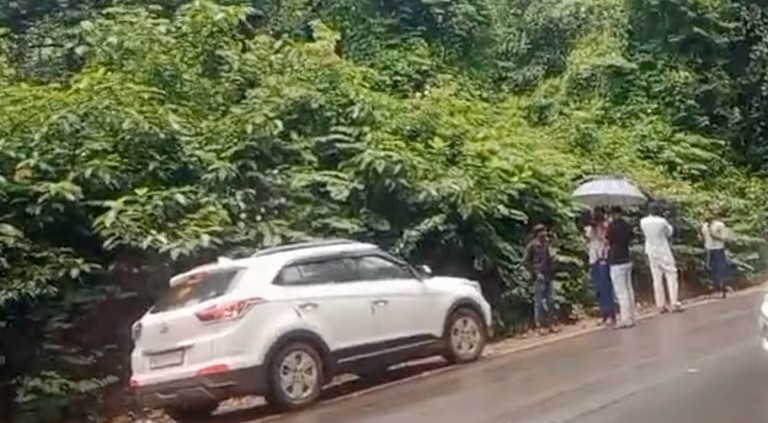
Yet bureaucracy and inaction shadow the case. The promised exhumation of burial spots remains stalled. On July 16, the witness, along with legal counsel and a mere handful of journalists, social media content creators, and local activists, waited by an alleged grave site, but the police refused to arrive. It was perhaps the scene of the biggest crime of its kind in the nation’s history, but there was no cordon, no forensic team, no site documentation—not even a constable wielding the ubiquitous lathi. The police simply refused to show up. In fact, in a ridiculous twist, the police later claimed that the witness had “gone missing”, a claim sharply refuted by his lawyers. As of now, the police is yet to follow through on the investigation or protection promises.
Meanwhile, the Karnataka State Women’s Commission, led by Nagalakshmi Choudhary, has formally urged Chief Minister Siddaramaiah to constitute a Special Investigation Team (SIT) to probe disappearances, unnatural deaths, and sexual assault cases linked to Dharmasthala over the past 20 years. The Chair cited the skull recovery and testimony of the ex-worker as deeply alarming.
Senior advocates have joined the demand, urging that the SIT be headed by DGP Pranab Mohanty, based on his record in prior sensitive cases, and staffed only by individuals of unimpeachable integrity, with clear transparency and public accountability built into every investigative step.
Meanwhile, Dharmasthala remains in the grip of fear. But despite the prevailing atmosphere of dread, families, including the mother of Ananya Bhat, who vanished in 2003 while visiting Dharmasthala have written to police demanding exhumation of their missing kin’s remains. Yet, the remains remain interred, untouched by official action.
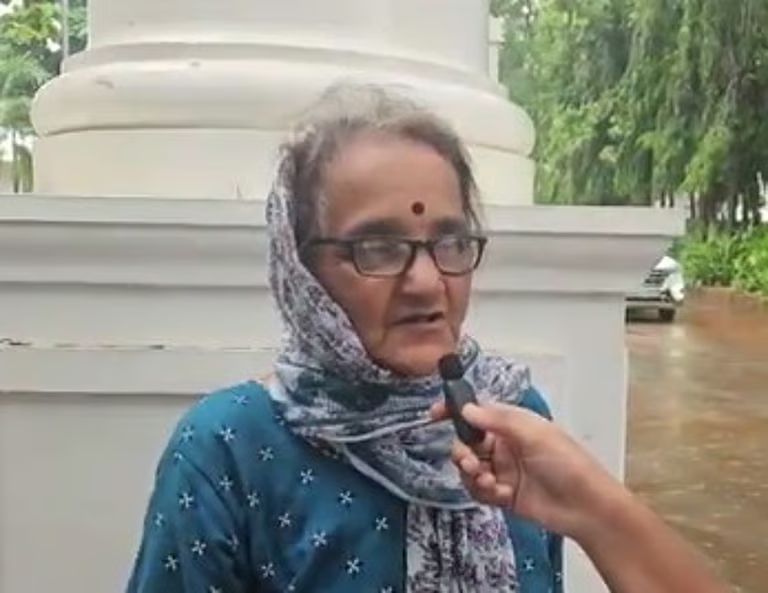
Local political figures associated with the temple, including representatives from the BJP and temple-affiliated Gram Panchayat, have rejected any institutional culpability. They argue that unclaimed bodies were buried through a documented process, and dismiss the entire episode as a “targeted campaign” against the temple’s reputation. The temple is administered by the extremely influential and wealthy Heggade family, and its present Dharmadhikari or hereditary administrator, Veerendra Heggade—is a Padma Bhushan and Padma Vibhushan awardee, and Rajya Sabha MP.
Observers note that Dharmasthala has witnessed hundreds of suspicious deaths over decades—reports cite approximately 462 unnatural deaths in a 10-year period leading up to 2013, fueling speculation of systemic silencing and complicity.
This latest episode has also reopened wounds left by the 2012 murder of 17‑year‑old Sowjanya, whose case, despite being transferred to CBI, ended in acquittal for lack of evidence in 2023. Activists and the victim’s family allege the true perpetrators were shielded by temple-linked figures—a narrative amplified by viral YouTube exposés that were later ordered to be taken down amid charges of misinformation and hurting public sentiment.
A temple town once defined by devotion is now overshadowed by questions of justice, caste dynamics, and institutional silence. The sanitation worker’s testimony pierces the cloak of silence and fear that has enveloped the town for decades, demanding scrutiny. Graves lie unmarked—but their stories are surfacing.
Justice, if it is to prevail, hinges on truth being exhumed, not just remains, and examined within the light of public accountability. Unless the exhumations proceed, names are uncovered, forensic evidence is documented, and an impartial legal process unfolds, the silence will prevail—to the eternal shame of the national and state media, the judiciary and the political establishment.
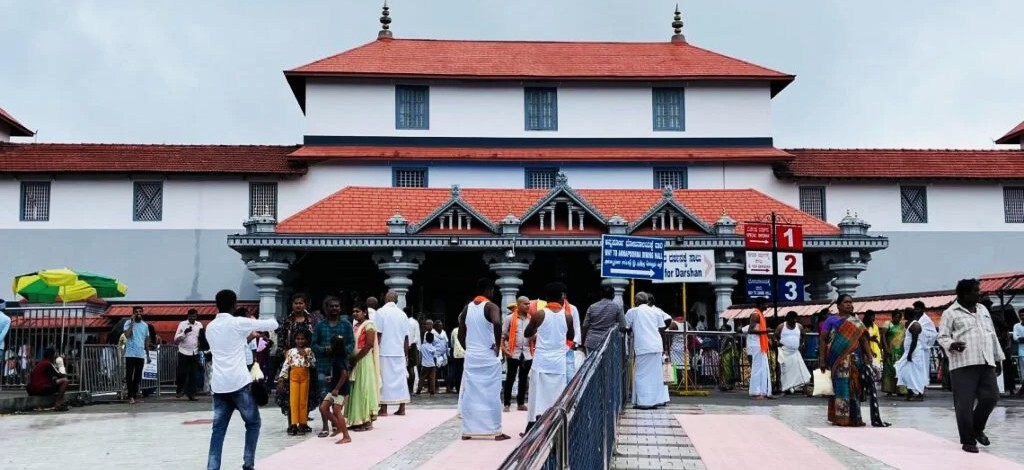
Cover Image: Dharmasthala Temple

Independent journalist and researcher. As a journalist, have written on various aspects of sustainability/environment – particularly as it relates to economy, politics and society – in leading online outlets such as The Wire, Scroll, and News Click. Created and edited the website www.ecologise.in, which curated selected content on emerging global crises.