
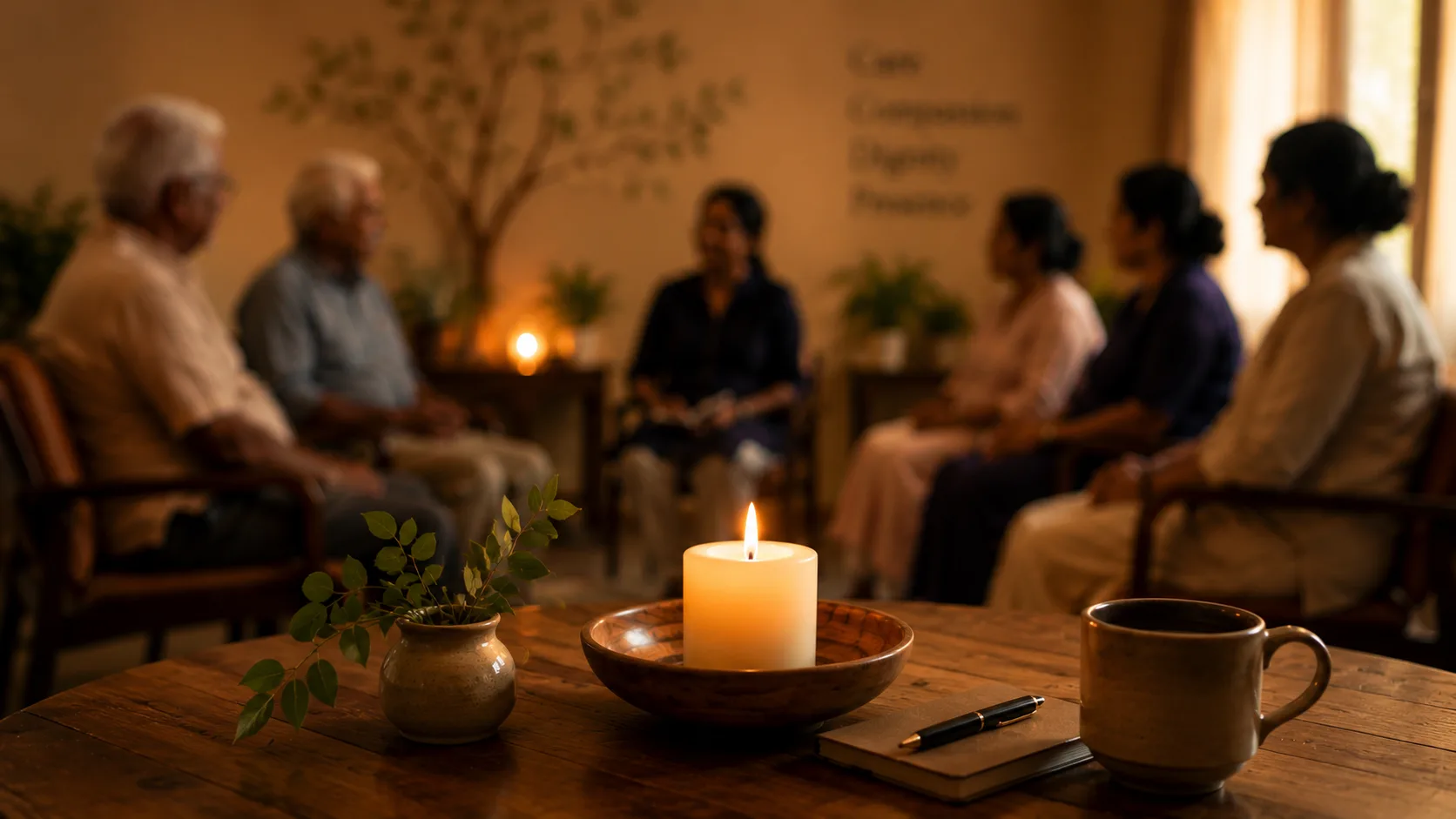
Death Cafe: Reflections on Death, Dying and the Meaning of Care
What does it mean to die well? A Death Cafe held at the Pain and Palliative Care Society (PPCS), Thrissur, brought together its nursing team to reflect on death, dying, dignity, grief and the deeper meaning of care. Through personal and professional experiences, the discussion explored how palliative care can preserve not only comfort, but also dignity, relationships and humanity at the end of life.
A Death Cafe was held at the Pain and Palliative Care Society (PPCS), Thrissur, on 18 July 2026, with the PPCS nursing team as the main participants. Rather than being a formal programme, the session became a quiet space for reflection, a space where death could be spoken about without fear, hesitation or the need to find immediate answers. In the midst of professional routines centred on illness, treatment and care, the Death Café invited the participants to pause and encounter one of the most universal yet least discussed realities of human existence: death.
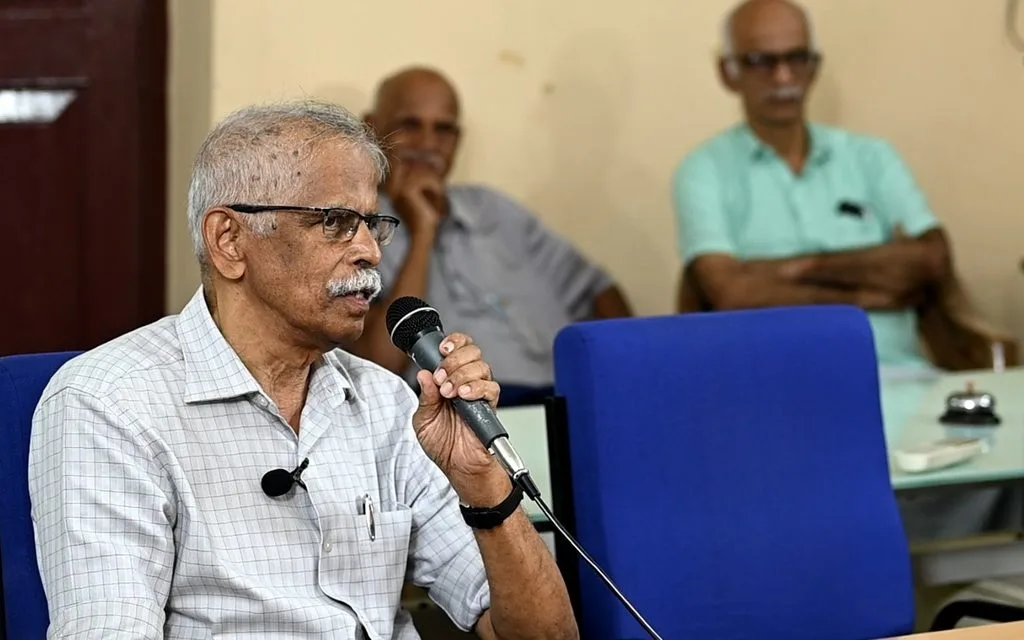
The session began with an introduction by Dr E. Divakaran, who encouraged the participants to share their personal and professional experiences and perspectives on death. The invitation was simple, but profound: to speak about death was also to speak about life, relationships, love, loss, suffering and the meaning we give to our existence.
As the conversation unfolded, the nurses began to share experiences accumulated through years of accompanying patients and families at the end of life. Sister Pushpa reflected on her experiences of death and spoke about the difference she had observed between death in a hospital and death in a palliative care setting. Her reflections raised an important philosophical question: What does it mean for a person to die well?
Death may be biologically the same, yet the experience surrounding it can be profoundly different. In a hospital, death can sometimes become an event marked by machines, procedures and medical interventions. In palliative care, there is often greater space to recognise the person behind the illness—to preserve comfort, dignity, relationships and emotional presence. Her reflections reminded the group that while medicine may sometimes be able to delay death, the deeper responsibility of care is to ensure that the person is not lost within the process of dying.
Sister Sani reflected on the experiences of patients and caregivers during the end-of-life period. She spoke about the emotional burden carried by families as they witness the gradual deterioration of someone they love. In such moments, families experience a peculiar form of grief: the person is still physically present, yet a part of the life they once shared may already be disappearing. End-of-life care therefore becomes not only a process of caring for the dying but also a process of accompanying those who are learning to let go.
Sister Fima spoke about the importance of understanding and respecting cultural and religious practices surrounding death. Her reflections reminded the group that death is never merely a biological occurrence. Every society gives death a language, a ritual, a meaning and a way of saying goodbye. Religious beliefs, cultural traditions and family practices often provide people with ways to understand what cannot always be understood. Respecting these practices is therefore more than cultural sensitivity; it is an acknowledgement of the person’s identity and worldview at one of the most vulnerable moments of life.
To care for someone at the end of life is also to care for the meanings through which that person understands life and death. Her reflections led to an important observation: death may be universal, but there is no single universal way of experiencing death. The biological process may be similar, but the meaning attached to that process is different for every individual and family. A person’s understanding of death is often inseparable from the way they have understood life itself.
Their beliefs about God, spirituality, the afterlife, rebirth, salvation, family, relationships and the purpose of existence can profoundly influence how they approach the end of life.
Sister Nisha offered a deeply personal reflection, acknowledging that death is not always easy to accept. It can be unpredictable, painful and profoundly unsettling, particularly when it comes unexpectedly or during what we consider the prime of life. Her reflections touched upon the questions that death inevitably awakens within us: Why does death come when it does? Why do some lives end earlier than we expect? What remains after someone is gone?
These questions do not always have answers, but perhaps the value of such questions lies precisely in their ability to make us pause and recognise the mystery of existence.
Sister Subaida reflected on her experiences with patients and caregivers and emphasised the emotional needs of families during the dying process. Her reflections highlighted that when a person is dying, an entire network of relationships is affected. The patient may be the centre of care, but suffering extends beyond the individual. Caregivers experience fear, helplessness, anticipatory grief and uncertainty. They too need someone who will listen, understand and accompany them.
In this sense, palliative care becomes an act of accompaniment—not simply of treating symptoms, but of remaining present when there may be little left to treat.
Sister Akhila actively participated in the discussion and shared her experiences related to death and palliative care, particularly the challenges involved in supporting patients and families during the end-of-life period. Her contribution reinforced the importance of compassionate communication and a patient- and family-centred approach. At the end of life, sometimes the most meaningful intervention is not another procedure or another medicine, but a reassuring presence, a listening ear, a gentle explanation or simply the willingness to remain beside someone.
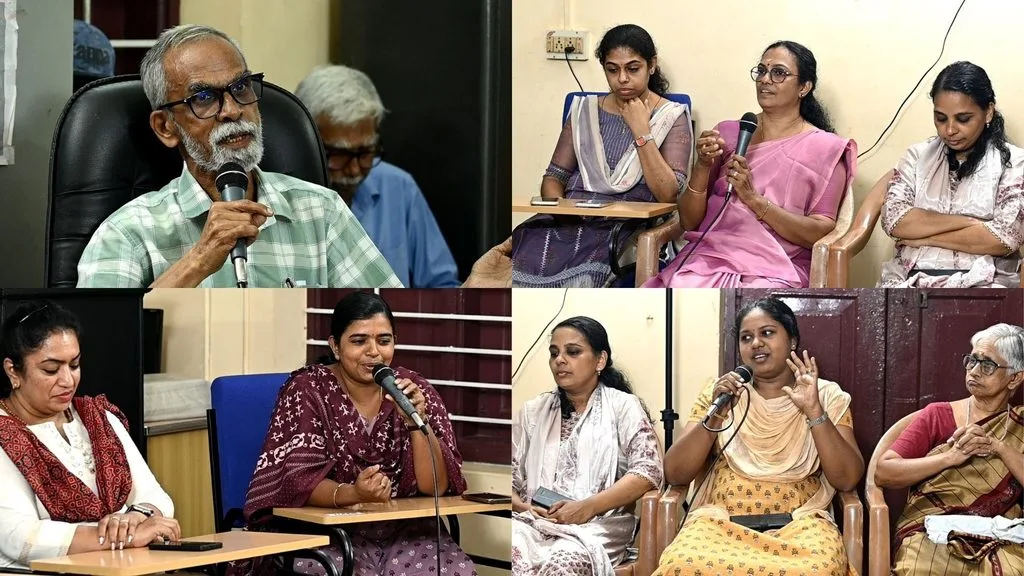
Sister Shyamili shared her experiences of witnessing and dealing with death in the palliative care setting and reflected once again on the difference between hospital death and death within palliative care. She also spoke about dealing with deaths during night duty and the responsibilities placed upon nurses during these emotionally demanding moments.
Night has its own relationship with death. When the world becomes quiet and ordinary activity slows down, the nurse may find herself standing beside a dying person and a grieving family, carrying responsibilities that are both clinical and deeply human. Such experiences require not only professional preparedness but also emotional resilience and the ability to hold space for another person’s grief.
The discussion also turned towards a question that is often overlooked: How do those who care for the dying care for themselves? Healthcare professionals are repeatedly exposed to suffering, loss and death, yet their own emotional experiences may remain unspoken. The Death Café offered an opportunity to acknowledge that it is possible to be professionally strong and emotionally vulnerable at the same time. Speaking about death does not signify weakness; sometimes, it is a way of making sense of the experiences we carry silently.
One of the strongest themes that emerged from the Death Café was the distinction between death as a medical event and death as a human experience. Medicine can identify the physiological processes associated with dying, but it cannot fully describe what death means to the person who is dying or to those who love them. A death certificate may record the cause of death, but it cannot record the final conversation between a mother and her child, the hand held during the final moments, the unfinished apology, the silent prayer, or the memories that remain after the person is gone.
Palliative care exists within this space between the medical and the human dimensions of dying. It recognises that when a cure is no longer possible, care does not become meaningless. Rather, the meaning of care may become clearer. The goal shifts from conquering disease to relieving suffering; from prolonging biological existence at any cost to preserving quality of life, dignity and meaning; from asking only “What treatment is possible?” to asking “What matters to this person now?”
The Death Café also created an opportunity to reflect on the nature of dignity. Dignity at the end of life is not simply about physical comfort or maintaining independence. It can mean being recognised as a person until the very end. It can mean having one’s wishes respected, one’s beliefs acknowledged, one’s relationships valued and one’s fears heard.
Sometimes dignity lies in being allowed to die without unnecessary suffering. Sometimes it lies in being surrounded by people one loves. Sometimes it lies in having someone simply sit beside the bed.
Palliative care occupies a sacred space of accompaniment. Its purpose is not to deny death, nor to hasten it, but to ensure that when death comes, the person is not reduced to a diagnosis, a bed number or a medical condition. The person remains a person with a history, relationships, beliefs, fears, memories and a life that has meaning.
In the end, perhaps the most important lesson of the Death Café was that talking about death is also a way of learning how to live. When we acknowledge the finiteness of life, we begin to recognise the value of presence, relationships, kindness, reconciliation and compassion. Death reminds us that time is limited; palliative care reminds us that even within that limitation, there remains an immense possibility for care.
The session concluded not with an answer to the mystery of death, but with a deeper appreciation of the responsibility of accompanying another human being through it with dignity, tenderness, respect and compassion. In the quiet presence of death, the meaning of care perhaps becomes most profound: when we cannot add days to life, we can still add life, meaning and humanity to the days that remain.
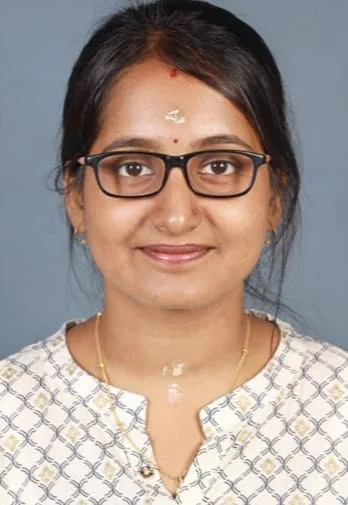
AmruthaLakshmi VV, Works as a Medical Social Worker at Pain and Palliative Care Society for 3 years.