
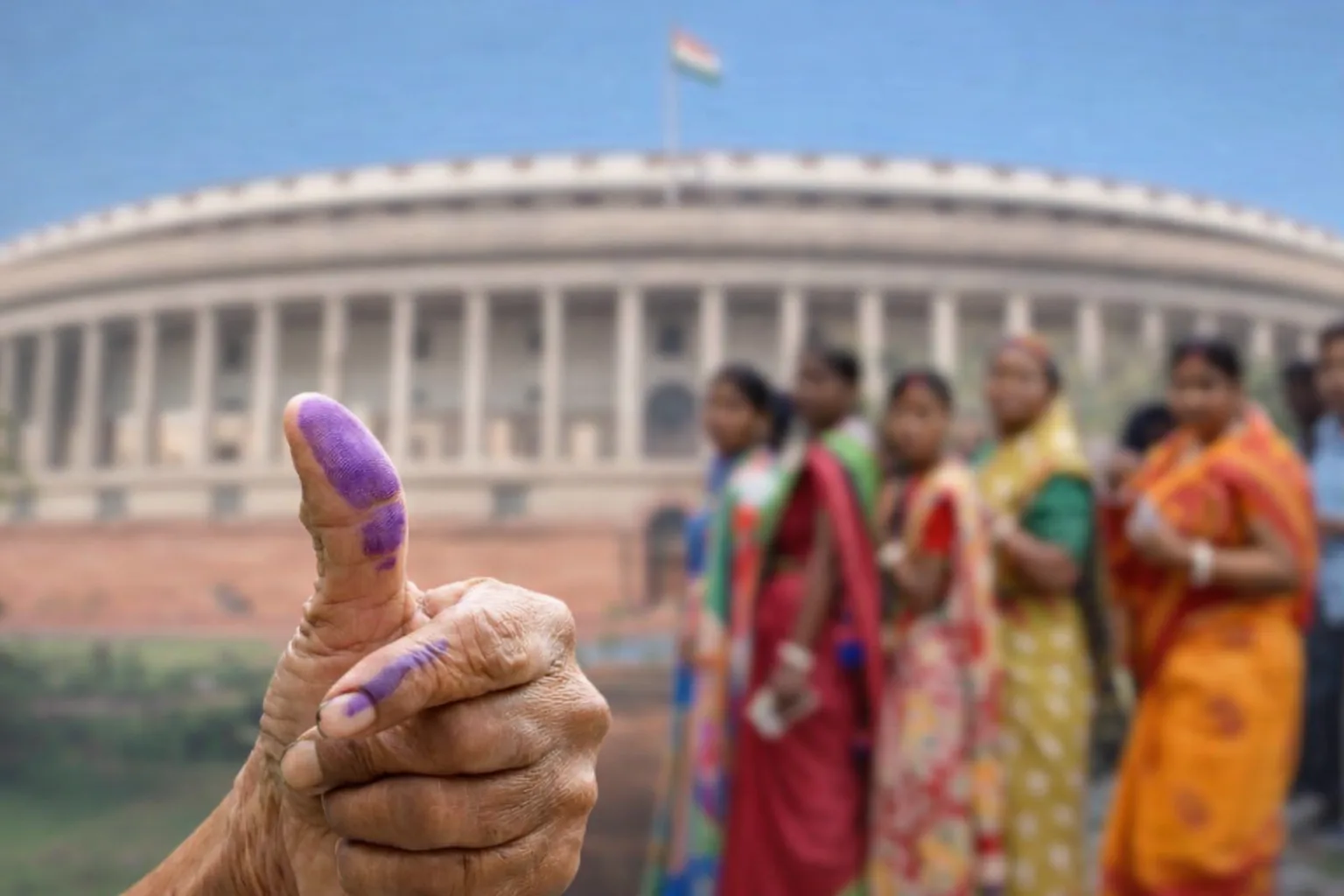
The Democratic Cost of Consecutive Regimes: Why Political Alternation Matters
This paper by Jos Chathukulam and A. M. Jose critically examines the continuity of political regimes and its implications for democratic functioning. It analyses the structural transformations that occur within a democratic system when a single political force remains in power continuously, along with the long-term consequences of such continuity. It does not seek to support or oppose any political party, front, or ideological position. Rather, it is grounded in a neutral and scholarly perspective, drawing upon both national and global experiences as well as theoretical frameworks. The objective of this study is not to propagate any political viewpoint, but to critically understand the factors that influence the quality of democracy. Therefore, all observations and evaluations presented here are made from a balanced and impartial standpoint, free from political bias or favouritism.
Introduction
Democracy is often understood as a system defined by elections, representation, and the consent of the governed. However, beyond these procedural elements lies a deeper requirement: the continuous renewal of political authority through meaningful competition and the possibility of change. When a single political regime remains in power over consecutive terms without interruption—even through electoral victories—the quality of democracy may begin to erode.
The argument that consecutive regimes without political change are detrimental to democracy is grounded in both political theory and empirical experience across different regions of the world. From global examples such as Russia and South Africa to national developments in India, and further to state-level experiences in West Bengal, Odisha, and Kerala, the pattern suggests that prolonged continuity in power often leads to declining accountability, institutional weakening, and reduced democratic vibrancy.
Theoretical Foundations of Political Alternation
The importance of political alternation has long been emphasized in democratic theory. Scholars such as Robert Dahl conceptualized democracy as a system of “polyarchy,” where competition among elites and participation by citizens are fundamental. In such a framework, the presence of genuine alternatives is essential for maintaining accountability. If a single regime dominates political power for extended periods, competition becomes less meaningful, and elections risk becoming symbolic exercises rather than mechanisms of real choice.
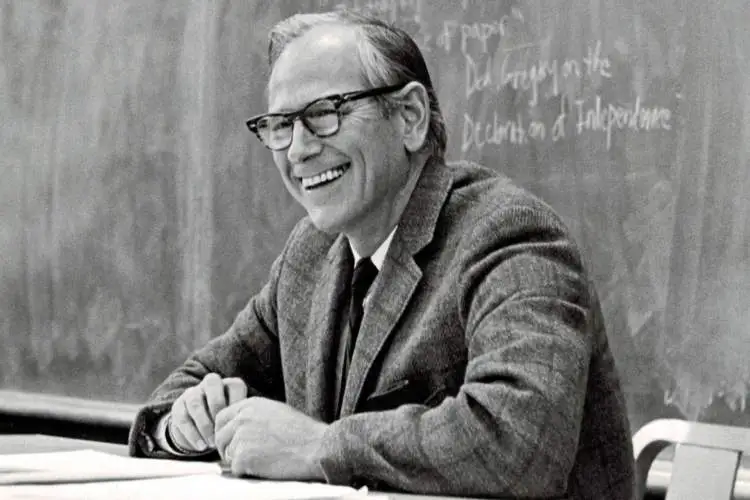
Similarly, Joseph Schumpeter described democracy as a competitive struggle for leadership. Without the realistic possibility of alternation, this competition weakens, allowing ruling elites to entrench themselves and reduce responsiveness to public needs.
The theoretical concern is not merely about the duration of rule but about the consequences of uninterrupted power. Over time, continuous regimes tend to cultivate systems that favour their own survival. Institutions that are meant to function independently—such as the judiciary, election commissions, and regulatory bodies—may gradually align with the ruling authority. This process, often referred to as institutional capture, undermines the checks and balances that are essential to democratic governance. As a result, democracy may persist in form but decline in substance.
Global Narratives: Patterns of Continuous Rule
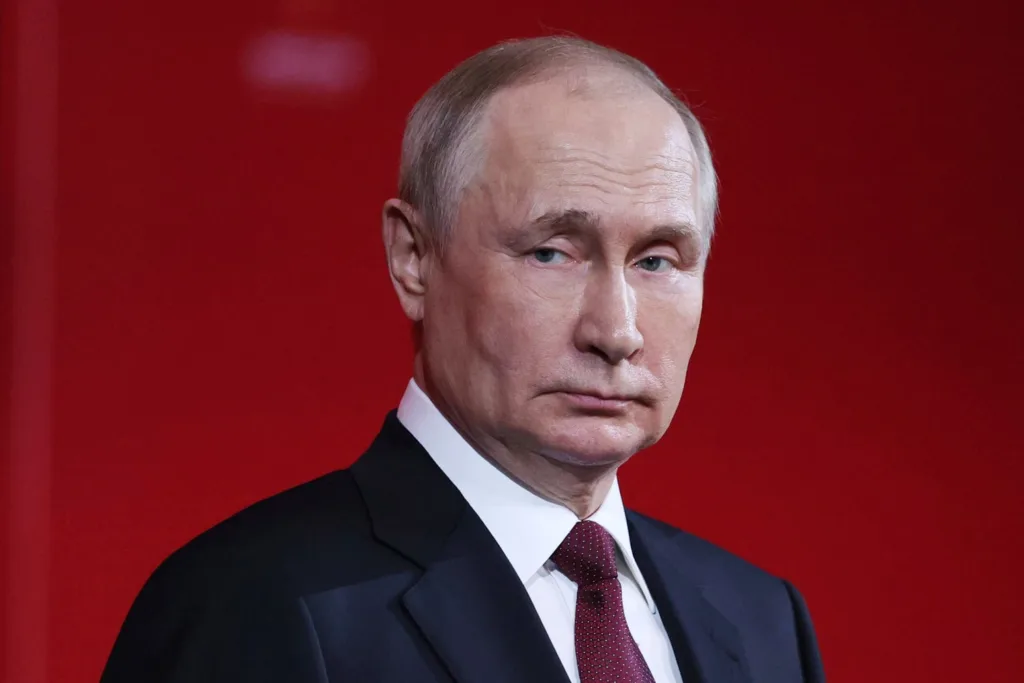
The global political landscape offers numerous examples illustrating the risks associated with consecutive regimes. In Russia, the prolonged dominance of Vladimir Putin demonstrates how electoral systems can coexist with diminishing democratic quality. Although elections are regularly conducted, the absence of genuine alternation has resulted in a political environment where opposition parties struggle to compete effectively, media freedom is constrained, and constitutional changes have been implemented to extend leadership tenure.
A more extreme example can be observed in China, where the Communist Party of China has maintained uninterrupted control since 1949. Under Xi Jinping, the removal of presidential term limits marked a significant shift toward indefinite rule. While this has enabled decisive governance in certain areas, it has also limited dissent and reduced institutional independence.
Even within democratic systems, the absence of alternation can have subtle but significant effects. In Japan, the Liberal Democratic Party governed almost continuously for decades, leading to bureaucratic entrenchment and periodic corruption scandals. Similarly, in South Africa, the African National Congress has remained dominant since the end of apartheid, with governance challenges intensifying during the presidency of Jacob Zuma.
These cases collectively demonstrate that even in formally democratic systems, prolonged continuity in power can weaken institutional integrity and public trust.
The Indian Context: Continuity and Its Consequences
The experience of India further reinforces the argument. In the decades following independence, the Indian National Congress maintained a dominant position in national politics. Under leaders such as Jawaharlal Nehru and Indira Gandhi, the party’s extended control contributed to the centralization of political authority. This concentration reached its peak during the Emergency (India 1975–1977), when civil liberties were suspended and democratic institutions were severely constrained.
In contemporary India, the sustained electoral success of the Bharatiya Janata Party has reignited debates about the implications of continuous rule. While electoral legitimacy remains intact, concerns persist regarding institutional balance, opposition space, and the long-term health of democratic competition.
At the state level, the dynamics of continuity and alternation become even more nuanced, as illustrated by the experiences of West Bengal, Odisha, and Kerala.
West Bengal: From Reformist Dynamism to Institutional Fatigue
The political trajectory of West Bengal provides one of the most significant examples of prolonged continuity within a democratic framework. From 1977 to 2011, the Communist Party of India (Marxist)-led Left Front governed the state uninterruptedly.
In its early years, this regime was associated with transformative policies such as land reforms and decentralization through panchayati raj institutions. However, over time, the absence of political alternation contributed to institutional stagnation and organizational rigidity. The blurring of boundaries between party structures and state institutions reduced administrative neutrality and weakened competitive politics.
By the late 2000s, public dissatisfaction began to surface more visibly, culminating in a decisive electoral shift in 2011. This transition illustrates how prolonged dominance, even when initially transformative, can eventually generate democratic fatigue and demand for renewal.
Odisha: Stability Without Robust Competition
In Odisha, the experience of continuity takes a different form. Since 2000, the Biju Janata Dal under the leadership of Naveen Patnaik has maintained uninterrupted political control.
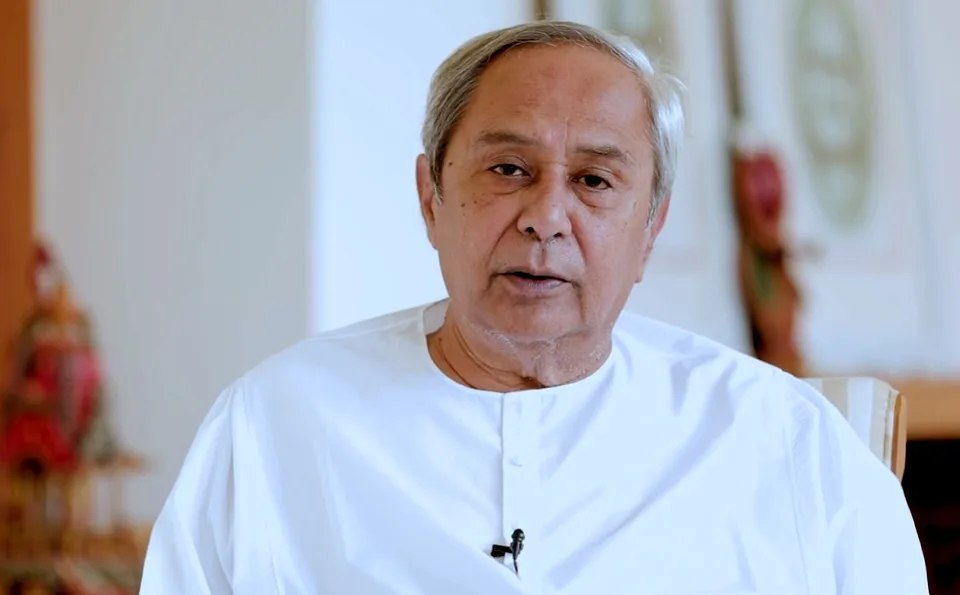
Unlike West Bengal, Odisha’s continuity has often been associated with administrative stability, welfare delivery, and relatively clean governance. However, this long-standing dominance has also resulted in a weakened opposition landscape. The limited presence of credible political alternatives raises concerns about the depth of democratic competition.
This case highlights a crucial nuance: even when governance outcomes are relatively positive, the absence of strong electoral contestation can gradually narrow democratic space and reduce the pressure on ruling elites to remain fully accountable.
Kerala: A Tradition Interrupted
The political culture of Kerala has historically been defined by alternation between the Left Democratic Front (LDF) and the United Democratic Front (UDF). This cyclical change fostered a highly competitive political environment, ensuring accountability and responsiveness.
However, this pattern was disrupted when the Left Democratic Front, led by Pinarayi Vijayan, secured consecutive terms in office. While this reflects electoral confidence, it also introduces new questions regarding the future trajectory of democratic competition in the state.
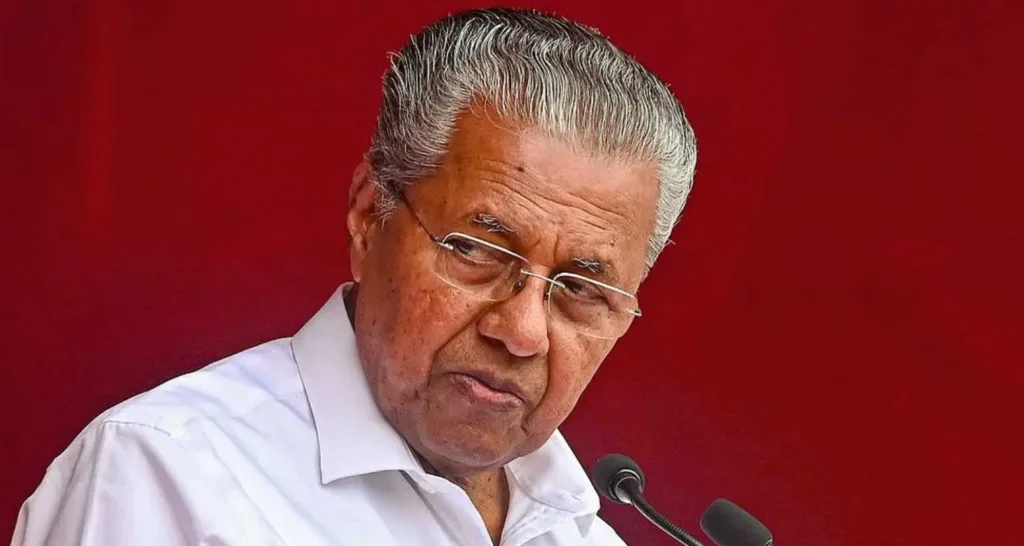
Kerala thus represents a transitional case, where the long-standing norm of alternation is being tested. The key issue is whether it’s politically conscious electorate can sustain accountability mechanisms even in the absence of frequent regime change.
Mechanisms of Democratic Erosion
The risks associated with consecutive regimes manifest through several interconnected mechanisms. Ruling parties often develop extensive patronage networks that reinforce their dominance, influencing administrative processes and electoral outcomes. This reduces the level playing field necessary for genuine competition.
Institutional capture further deepens this challenge. Over time, independent institutions may become aligned with the ruling regime, compromising their autonomy. The experiences of West Bengal and Odisha illustrate how prolonged rule can blur the distinction between party and state.
Additionally, the absence of credible electoral threats can lead to policy complacency. Governments that do not face realistic risks of losing power may become less responsive to public needs, thereby eroding trust and participation.
Reconsidering Stability and Continuity
Proponents of consecutive regimes often argue that continuity ensures stability and facilitates long-term planning. While this argument holds some validity—as seen in Odisha—it overlooks the risks associated with diminished accountability.
The experience of West Bengal demonstrates how stability can eventually give way to stagnation, while Kerala highlights the delicate balance between continuity and democratic vibrancy.
Thus, stability and alternation should not be viewed as opposites but as complementary elements that must coexist within a healthy democracy.
Conclusion
The evidence from global, national, and subnational contexts clearly indicates that consecutive regimes without political change can pose significant challenges to democratic governance. From Russia to West Bengal, and from Odisha to Kerala, the pattern remains consistent: prolonged continuity in power tends to weaken accountability, concentrate authority, and reduce the effectiveness of democratic institutions.
While continuity may offer advantages in terms of stability and policy implementation, these benefits must be carefully balanced against the risks of democratic erosion. Ultimately, the strength of a democracy lies not only in conducting elections but in ensuring meaningful competition and the regular renewal of leadership.
Political alternation, therefore, is not merely a procedural feature—it is a fundamental safeguard that sustains the integrity, responsiveness, and vitality of democratic systems.

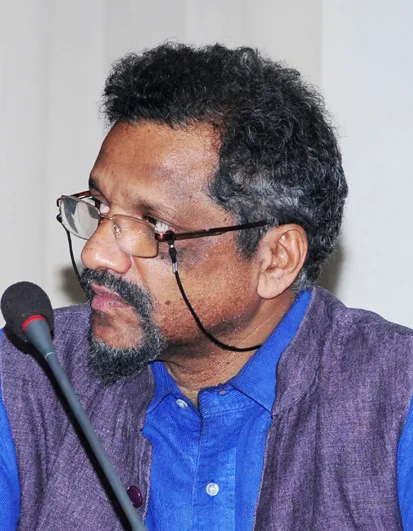
Jos Chathukulam is a Professor of Political Economy and Director of the Centre for Rural Management (CRM), Kottayam, Kerala. His academic work focuses on public policy, decentralisation, public finance, local governance, development studies, and political economy in India, with a special emphasis on Kerala. Prof. Chathukulam has authored and edited several influential books and research papers, and has served as a policy advisor to governments and international agencies. He is widely recognised for his critical engagement with development paradigms and for advocating sustainable, people-centred alternatives in economic and governance practices.
- BJP governance
- Congress dominance India
- consecutive regimes
- Democracy in India
- democratic accountability
- democratic erosion
- democratic institutions
- electoral competition
- global democracy crisis
- Indian politics
- institutional capture
- Kerala Politics
- Odisha politics Naveen Patnaik
- political alternation
- West Bengal Left Front