
Five Nights Outside a Mortuary: Witnessing the Afterlife of a Lynching
Ram Narayan Bhaiyal, a 31-year-old migrant worker from Chhattisgarh, was brutally assaulted to death by a group of local residents near Walayar in Kerala’s Palakkad district on 17 December 2025. In the aftermath of this mob lynching, Ambika—journalist and editor of Maruvakku magazine—speaks about her experience as a member of the Action Council formed to demand justice for Ram Narayan. Standing for five days outside the Thrissur Medical College mortuary, she reflects on institutional apathy, media failures, and the deeper politics of hate that shaped the crime. This interview is conducted by social activist and journalist Baburaj Bhagavathi.
The government has now accepted the four demands raised by the Action Council. Minister M. B. Rajesh has stated that the Sangh Parivar was behind the attack, and the Superintendent of Police has said that the theft allegation will also be investigated. How did you come to know about the murder, and how did you get involved in the Action Council?
I came to know about the murder on December 19, while travelling to Thrissur to attend an event. That was when Abdul Jabbar called me. Jabbar is the brother of Ashraf, who was lynched by a mob in Mangaluru. When he heard that Ram Narayan’s body had reached Thrissur, he immediately came to the Medical College. Perhaps it was the memory of his own brother’s body lying there unattended that compelled him to do so.
After Jabbar called me, I contacted several friends who are social activists and informed them about the incident. When they reached the hospital, a relative of Ram Narayan, told us that the police had said, “If you pay twenty-five thousand rupees, the body can be sent to Chhattisgarh as a parcel.” The police had also collected ambulance charges from the family to transport the body from Walayar to Thrissur Medical College.
Had Jabbar and others not intervened in time, the body would have been quietly sent away. The police’s language and attitude towards the body of a man who had come to Kerala for work were deeply disrespectful. Their approach clearly indicated an attempt to establish that the state bore no responsibility for the murder.
From the video footage, it appears that this was a crime driven by racial hatred. Why did the police fail to recognise its seriousness? And why was it important for the Action Council to demand that the case be registered as lynching?
In the video of the murder, the attackers repeatedly ask, “Are you Bangladeshi?” Ram Narayan responds by naming his village and district. Yet the Sangh Parivar activists who committed the crime was unwilling to listen. Anyone who watches the video can understand that this was a murder rooted in racial hatred.
Despite this, the police registered an FIR as if it were an ordinary murder. Now the Superintendent of Police says that the theft allegation will also be investigated. I do not know where such claims originate. The injustice inflicted upon a man who came here in search of livelihood continues even after his death—through distortion, delay, and institutional apathy.
If the case proceeds on the basis of the initial FIR, the family will never receive justice. Ram Narayan leaves behind two young children. His mother suffers from paralysis caused by rheumatism. The family is extremely vulnerable. If adequate compensation is not ensured, the children’s education will be in serious jeopardy.
If the case is registered as lynching, the Supreme Court guidelines issued in the Tehseen Poonawalla judgment (2018) must be implemented. In addition, provisions of the Scheduled Castes and Scheduled Tribes (Prevention of Atrocities) Act must be invoked. These were the demands raised by the Action Council on the very first day.
The Action Council intervened in a responsible and disciplined manner. Human rights activists and several organisations were part of it. Had Jabbar not intervened at the right time, the body would have been sent to Chhattisgarh and the gravity of the crime would have been erased.
You reached Thrissur the day the family arrived. What was their condition?
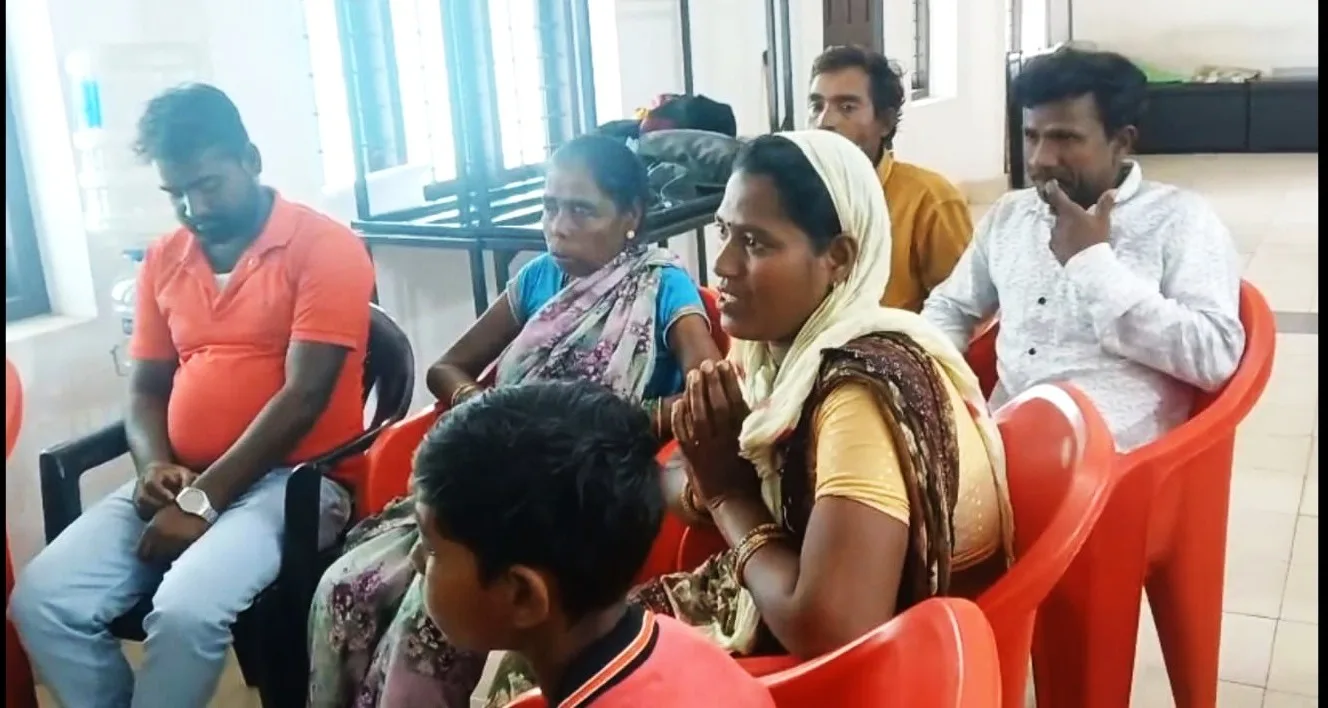
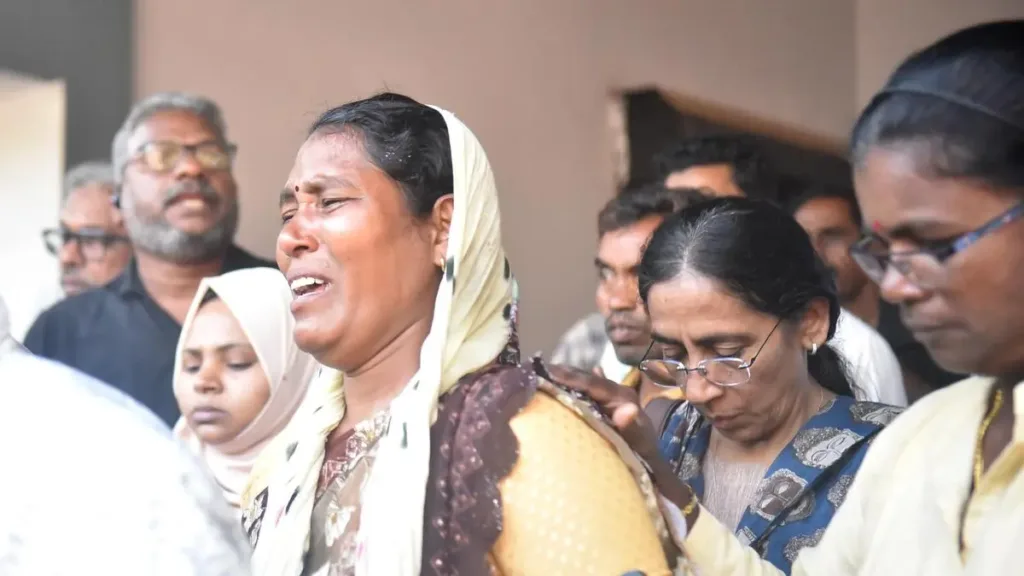
Yes. The family reached Thrissur from Chhattisgarh after travelling through nearly three trains, mostly in general compartments, along with their young children. They were completely exhausted—physically and mentally. Before being taken to the mortuary, they were provided with food and basic facilities.
The scenes were extremely emotional. One person accompanying the family understood the legal seriousness of the case and was in contact with community leaders and the Home Minister in Chhattisgarh. The Chhattisgarh government was closely monitoring the issue; the Collector there was in communication with the Palakkad Collector.
This reminded me of Ashraf’s killing in Mangaluru, when the Kerala government failed even to acknowledge the body or console the family. At the very least, one representative of the Kerala government should have received Ram Narayan’s family when they arrived.
How did the authorities respond once the family reached Thrissur?
When the family arrived, the police attempted to hand over the body immediately. That was when the family clearly stated that they would not accept the body until proper legal procedures were completed. It was then collectively decided that the body would be accepted only if the Action Council’s demands were met.
Many media persons arrived at that point. Some of them irresponsibly asked whether the family was waiting for compensation money, ignoring all other demands. This was extremely painful. Later, some media corrected their reporting and acknowledged that the family was demanding legal accountability.
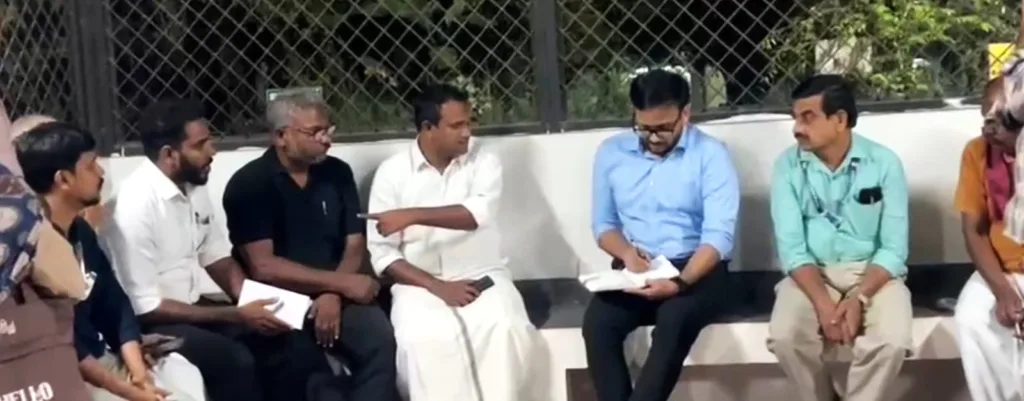
Eventually, the RDO arrived. Later in the night, the Deputy Collector came on the Collector’s instructions. Verbal assurances were rejected, based on past experiences where such promises were violated. Written assurances were demanded. We were told that compensation could only be decided after a cabinet meeting.
Were there attempts to remove you from the mortuary premises at night?
Yes. The family was resting in a shelter near the mortuary. When the mortuary closed at night, even access to toilets became a problem for women. The police then demanded that everyone vacate the premises. Only after intervention were temporary arrangements made for the family to rest elsewhere.
It was only after discussions held at the Collectorate the next morning, on December 22, that the government finally accepted all our demands.
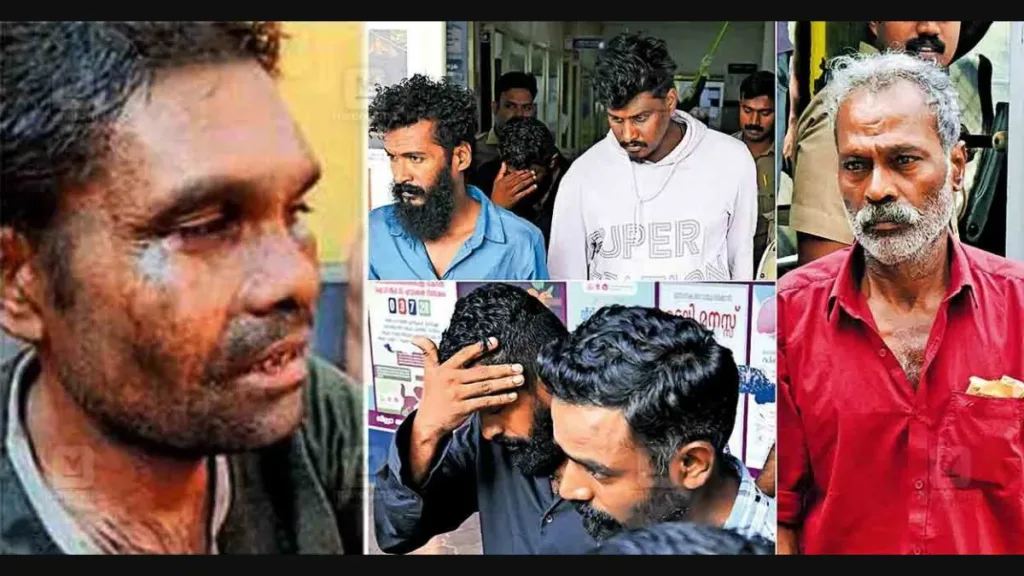
Most of those arrested are RSS workers or sympathisers. Who is trying to hide this political background?
It was the government itself. A racially motivated murder took place, yet it took five days for the Left government in Kerala to intervene. The fact that the body remained in the mortuary for five days is a grave administrative failure.
By registering the case initially as a simple murder, the government weakened the legal process. Legal experts have pointed out that adding lynching sections at a later stage often weakens the case in court. The entire state apparatus is responsible for this failure.
Was the government reluctant to acknowledge that lynchings can happen in Kerala?
Yes. There is a dangerous assumption that lynchings happen only in North India. Supreme Court guidelines clearly mandate periodic monitoring of hate campaigns. Authorities cannot claim ignorance.
Kerala is part of the same country ruled by Modi and Amit Shah. Hate campaigns and mob violence can and do occur here. There was a conscious attempt to downplay the nature of this crime.
Did the government miss an opportunity to send a strong national message against lynching?
Absolutely. By failing to act decisively and stand with the family immediately, the government embarrassed the people of Kerala. The body returned home only on the sixth day. Officials waited outside the mortuary for instructions, reflecting a complete collapse of moral leadership.
How do you see the public and intellectual response in Kerala?
The silence was disturbing. A racially motivated murder did not shake the conscience of Kerala’s intellectual and cultural spheres. Migrant workers are often treated as expendable labour. Islamophobia, misogyny, and Hindutva nationalism have deeply shaped public consciousness.
Do you believe Sangh Parivar hate propaganda influenced this murder?
Without doubt. In the video, the attackers ask, “Are you Bangladeshi?” a question shaped by aggressive propaganda portraying Muslims as infiltrators. This was clearly a racially motivated lynching. According to Supreme Court guidelines, this qualifies as mob lynching and this is the first such case to be publicly acknowledged in Kerala.
What is the future course of action for the Action Council?
We will closely monitor the investigation and intervene wherever necessary. This must never be allowed to happen again in Kerala. If it does, we will act with the clarity and experience gained through this struggle. Public vigilance is crucial.
Featured Image: The family of Ramnarayan Baghel waiting for justice outside the mortuary of Thrissur Medical College, Kerala.

Ambika is the editor of Maruvakku magazine, an independent and critical voice in Kerala’s media landscape that challenges mainstream narratives and foregrounds the struggles of marginalized communities.