
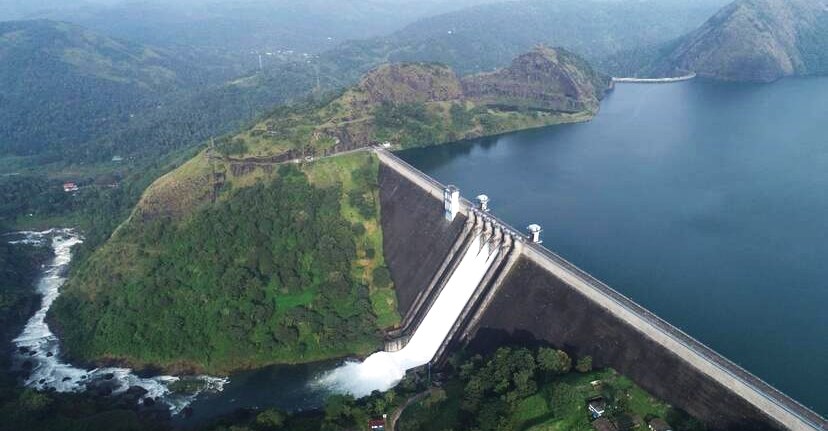
Dialogue and Mythri: Towards a Cosmic Ethics of the Mullaperiyar Dam Question
Veteran writer K. Aravindakshan reflects on the Mullaperiyar Dam crisis through a deeply ecological, Gandhian–Buddhist lens. Blending personal experience, environmental ethics, and the lived anxieties of people at Malippuram, he argues that the issue is not merely political but cosmic in nature—an urgent call for dialogue, compassion, and planetary responsibility.
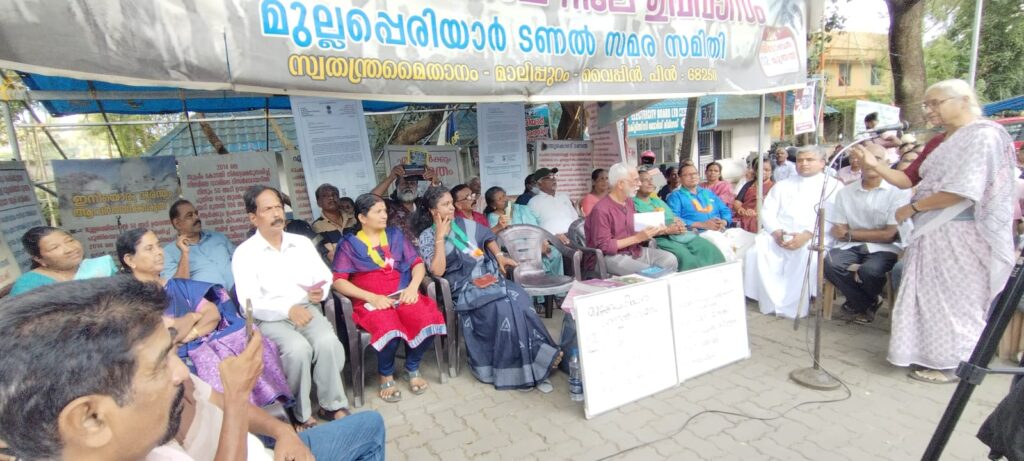
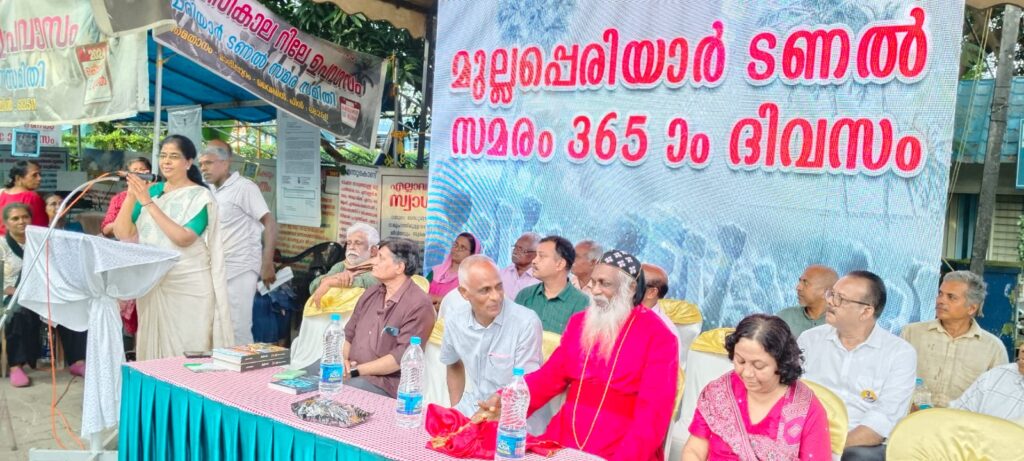
I am a native of the Thrissur suburbs, and while in Kochi I happened to read a news item in the Kochi edition of The Hindu dated 10 October 2025. It reported the visit of Medha Patkar, crusader of the Narmada Bachao Andolan, to the site of the ongoing Satyagraha at Malippuram, Vypeen, in Ernakulam District, organised by the Mullaperiyar Tunnel Samara Samithi. What is the relevance of Malippuram Village as the Satyagraha site? According to scientific data, if the 136-year-old Mullaperiyar Dam were to fail, Malippuram would be the last point to be submerged.
Though I am not an activist, as a Malayalam writer, even at this late stage of my life, I have consistently expressed moral solidarity with civil society movements that protest against human rights violations and ecological or environmental exploitation.
For the last forty years, I have followed Gandhian-Buddhist values. In 1983, I was first initiated into ecological awareness through Revive Our Dying Planet by Sarala Devi (Katherine Mary Heilmann) (1901–1982), a Gandhian disciple. Sarala Devi dedicated her life to ecological conservation and to addressing the poverty of the hill-dwelling communities of the Western Himalayas with a Gandhian constructive spirit. In a way, she was striving to fulfil the vision of self-rule (Gandhi’s Hind Swaraj, 1909). In Gandhi’s conception of self-rule, the individual, with her inherent power and wisdom, expands in oceanic circles toward other human beings, organisms, and even inorganic elements, extending beyond territorial boundaries to the entire universe.
Gandhi’s dharma is different from others; it reflects a cosmic awareness of both biological and non-biological worlds. Well-versed in the Buddha Nikāyas, Gandhi used the word dharma, almost equivalent to ethics, in a way that connects to the Proto-Indo-European root dhr, “to hold,” used to describe the cosmic law underpinning the universe. As Charles Allen notes in Ashoka (2012), in the fifth century BCE the Buddhists gave the word a new, more specific meaning: dharmmo in the spoken Prakrit of the time became dhamma in Pali and dharma in Sanskrit (p. XVIII, XIX).
In the foreword to The Revenge of Gaia (2006), James Lovelock reproduces a declaration issued after a meeting of scientists from four major global research programmes in 2001:
“The Earth’s system behaves as a single self-regulating system, comprised of physical, chemical, biological, and human components. The interactions and feedbacks between the component parts are complex and exhibit multi-scale temporal and spatial variability.”
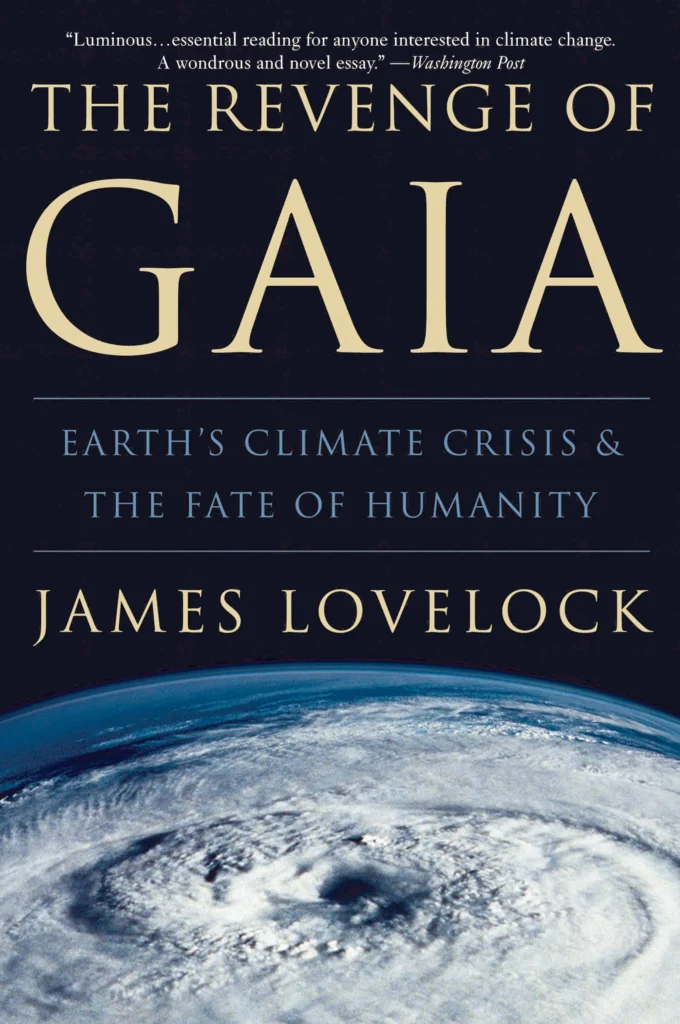
Gandhi’s notion of self-rule and Lovelock’s idea of the self-regulating planetary system converge in a cosmic sense. When the continuous dialogue (also intra-dialogues) between the biological and the non-biological is broken, the Earth’s survival is threatened. Unity in diversity is often spoken of, but the real principle is diversity and mutual dependence, the uniqueness of each being and non-being. The person who realises this witnesses the co-awakening of the whole. That is Mythri. That is why Sarala Devi’s Revive Our Dying Planet is dharmic.
This brief introduction is necessary to understand the Mullaperiyar issue. To me, it is not a political issue, not in the narrow sense of contemporary political language, but a cosmic one. If anything disturbs the delicate balance, even at a local or micro level, the catastrophe resonates in the deepest veins of the Great Living Being—the Earth Herself. As a writer, I feel this, however fleetingly. Hence this article.
At the Satyagraha Site
I reached the Satyagraha site on the morning of 10 October, a forty-five-minute taxi journey from Kochi. The venue stands beside a heavily trafficked road, paradoxically just in front of the Kerala State Electricity Board office. The KSEB controls the Mullaperiyar Dam.
Five or six people, half of them women, were on Satyagraha. They were silent, but in their silence I could sense their fears and anguish: the Dam loomed over their lives and property. They spoke to me of their desperation and of their hopes, rekindled by people like Medha Patkar. Yet they remain apprehensive of the very lawmakers they elected to protect their constitutional right to live free from fear.
One of the Satyagrahis, a sixty-year-old man, took me to the Malippuram seashore, about two kilometres away. He parked his small old car under a tree. Nearby, a dozen cars and several two-wheelers stood parked.
Boys and girls were chatting, smoking, drinking bottled juices, and casually throwing the bottles away. They seemed unaware of the Satyagraha being held to protect their lives, just as many others in the vicinity were.
We walked across marshy land puddled with dirty water to reach the sea. As everywhere, plastic bottles and bags lay scattered.
The endless sea lay silent, without even a murmur. Two or three fishermen were mending their nets. A few more youngsters sat along the shore, murmuring, whispering, laughing. The casuarina trees gave them shade.
The casuarina trees under the scorching sun, I felt, were trying to uproot themselves from the soil to find shelter elsewhere. But they knew they were helpless sedentary beings, like Gotama Buddha as a plumeria tree in a previous life, watching helplessly the crooked crane with false promises, carrying the fishes from a dried pond and depositing them under the plumeria shade to kill and swallow them.
The casuarinas, with their extraordinarily sensitive root capillaries deep in the sand, can hear the first hints of catastrophe, local or planetary. Their microscopic eyes on the leaves see the present, the distant past, and the impending future. Perhaps they understand better than the humans wandering beneath them the anguish and fear of the Mother Planet. They empathise with the children who too often forget the Foster Mother—the Earth.
History and the Present Crisis
On my return to the bustling city, I tried to weave together the past, present, and future of the Mullaperiyar Dam. I kept my mind away from partisan politics, lest it ignite the primordial instincts of postmodern humans—territory, language, party, religion, caste, class. Dialogue can lead to Mythri, which alone can resolve such issues. But we bipeds seem intent on complicating everything.
The Dam was built in 1895 by British engineer John Pennycuick to address scanty rainfall, excessive evaporation, the bareness of the land, and the resulting poverty. It was intended to irrigate the barren wastelands of five or six Tamil-speaking districts and free the population from poverty and unemployment. At the same time, it would prevent recurring floods in the lowlands of Periyar in Malayalam-speaking regions.
The dam was constructed under a lease agreement between the Travancore Maharaja and the British Government in 1886 for 999 years. With the Indian Independence Act 1947, the agreement became null and void, as it was between the erstwhile Maharaja and the British colonial government. But the democratic State Government of Kerala renewed the lease agreement for another 999 years on 29th July 1970 with the Tamil Nadu Government, without changing any clauses of the previous lease agreement, with a paltry annual lease. Actually, this renewed lease agreement by the Kerala Government is the bone of contention whenever the case was referred to the Supreme Court.
The dam was constructed by local masons under the supervision of John Pennycuick. The masonry dam is a gravity dam (A gravity dam is designed to withstand loads by its own weight). A gravity dam may burst due to two reasons: (1) Earthquake (the Dam is in Sensitive Zone III) and (2) Overflow of water over the Dam.
The Dam’s length is 1,200 feet; height 155 feet. Full Reservoir Level: 152 ft; Maximum Water Level: 155 ft. Total capacity: 15.5 TMC. Tamil Nadu irrigates 169,408 acres using this water. The 1970 lease also permits Tamil Nadu to generate electricity.
That means, the people living in one state benefit from the huge amount of water, while the water stored in the Dam reservoir threatens the lives of the people who live below the dam site, spread across five districts, the last point being the Malippuram Satyagraha site.
Why are they afraid? Is it mere fear psychosis? Given the scientific facts about a 136-year-old dam, no reasonable person can claim it will safely last another 940 years. Globally, the average lifespan of a dam has already been far exceeded—more than doubled.
Climate change, seismic risks, and the interconnected gravity dams downstream of Mullaperiyar all amplify the danger. Within forty-five minutes of a dam breach, an estimated 70,000 people, including 35,000 of Tamil origin, could perish. Uncontrolled water flow may endanger the Idukki dams, leading to an unimaginable catastrophe across human, animal, and even inorganic worlds. No humane person would defend such a risk.
Supreme Court Recommendations
On 7 May 2014, a constitutional bench of the Supreme Court, headed by Chief Justice R.M. Lodha, proposed alternative solutions based on the recommendations of the High-Power Committee:
The suggestions are as follows:
- From the bottom of the Mullaperiyar Dam, “a new tunnel, say at the elevation of 50 feet height” may be constructed “by the State of Tamil Nadu.”
- If this tunnel is constructed, Tamil Nadu can draw more water from the reservoir.
- They can generate electricity from the water.
- More importantly, if this alternative is implemented, the fear perception in the mind of the people of the State of Kerala will be set at rest.
- The safety concern of the State of Kerala and the requirements of Tamil Nadu would be met from the existing dam after constructing a new tunnel for evacuation of reservoir water.
- The alternative suggested by the empowered committee is worth exploring by the two states.
Medha Patkar visited the Satyagraha site on 9 October 2025, urging the Kerala Government to accept the tunnel proposal, which costs only around ₹100 crore, instead of pursuing a ₹2,000-crore new dam. She repeated her appeal to Tamil Nadu. Her spirit remains strong and hopeful. She promised the Satyagrahis and the people of Kerala that she would write to both Chief Ministers.
A Final Appeal
My appeal to fellow writers, intellectuals, human rights activists, and members of civil society movements is this: through creative dialogue, let us bring together the people of the two neighbouring states to reach a peaceful settlement of this long-pending issue, as recommended by the Supreme Court. It may be a small step, but one that contributes to the revival of our whole planet.
Reference
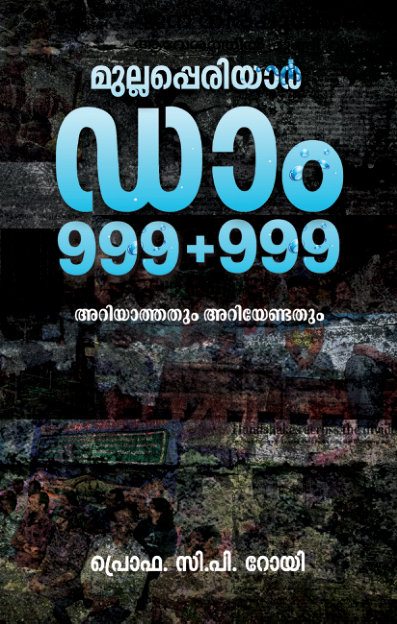
Prof. C.P. Roy, Mullaperiyar Dam, 999+999 (2025) (Malayalam). A well-researched study.
Featured Image: Mullaperiyar Dam/ Courtesy keralakaumudi.com
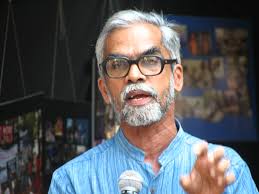
K. Aravindakshan is a prominent contemporary writer from Kerala, known for works including the novel Gopa, which won the 2024 Odakkuzhal Award. He is recognized for his diverse literary contributions in Malayalam, with works spanning novels, short stories, and essays.